 Bed
 Bedroom Set
 Bunk Beds
 Chest
 Computer Desk
 Dressing Table
 Nightstand
 Ottoman
 Shoe Cabinet
 Study Desk
 Wardrobe
 Sectional Sofa
 Sofa
 TV Cabinet
 Center Table
 Accent Chair
 Arm Chair
 Chaise
 Daybed
 Loveseat
 Dining

Table of Contents
Introduction: Creating Your Dream Bedroom in the UAE
Your bedroom is more than just a place to sleep—it’s your personal sanctuary, a private retreat where you begin and end each day. For homeowners across the UAE, from the bustling streets of Dubai to the elegant neighborhoods of Abu Dhabi, creating the perfect bedroom environment starts with selecting the right bedroom furniture. Whether you’re furnishing a spacious master suite in a villa or optimizing a compact apartment bedroom, the furniture you choose dramatically impacts your comfort, functionality, and the overall ambiance of your space.
The UAE’s thriving furniture market offers endless possibilities, but this abundance of choice can also feel overwhelming. How do you select bedroom furniture that balances style with practicality? What materials work best in the region’s unique climate? Should you invest in a complete bedroom set or curate individual pieces? These are the questions that keep many homeowners up at night—ironically, in the very bedrooms they’re trying to perfect. Understanding the nuances of bedroom furniture selection specifically for UAE homes requires consideration of local architectural styles, climate conditions, cultural preferences, and lifestyle needs that are unique to this region.
This comprehensive buying guide has been created specifically for UAE residents who want to make informed, confident decisions about their bedroom furniture investments. We’ll walk you through every aspect of the selection process, from understanding different furniture types and styles to choosing the right materials for Dubai’s climate, from space planning for various room sizes to budget allocation strategies. Whether you’re a first-time homeowner setting up your new apartment, a growing family upgrading to a larger villa, or simply looking to refresh your existing bedroom, this guide provides the expert insights you need.
At Rukn Al Wadi Furniture, we’ve helped countless UAE families transform their bedrooms into beautiful, functional spaces that reflect their personal style while meeting the practical demands of everyday life. Our experience in the UAE market has taught us that the best bedroom furniture decisions come from a combination of aesthetic vision, practical knowledge, and understanding of quality indicators. This guide distills that expertise into actionable advice that will serve you throughout your furniture shopping journey.
By the end of this guide, you’ll have a clear understanding of how to assess your bedroom furniture needs, evaluate quality and materials, plan your layout effectively, and make purchases that you’ll be happy with for years to come. Let’s begin this journey to creating your dream bedroom—a space where luxury meets comfort, where style complements functionality, and where every piece of furniture serves both your aesthetic desires and daily needs. Your perfect bedroom awaits, and it all starts with making the right furniture choices.
Understanding Your Bedroom Furniture Needs in UAE Homes
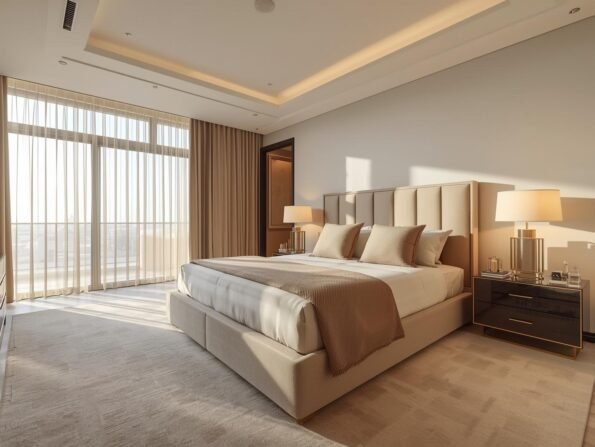
Before you fall in love with that stunning bed frame or elegant wardrobe, it’s essential to take a step back and thoroughly assess your actual bedroom furniture needs. This foundational step is often overlooked in the excitement of furniture shopping, yet it’s the key to making choices you’ll be satisfied with long-term. In the UAE, where homes range from compact studio apartments in Dubai Marina to expansive villas in Arabian Ranches, understanding your specific requirements ensures that your bedroom furniture investment delivers both beauty and functionality tailored to your unique situation.
Assessing Your Bedroom Space and Layout
The physical dimensions and architectural characteristics of your bedroom form the foundation of all furniture decisions. UAE homes present diverse spatial challenges and opportunities—a modern apartment might feature a 12-square-meter bedroom with built-in closets, while a traditional villa could offer a 30-square-meter master suite with high ceilings and multiple entry points. Start by taking precise measurements of your bedroom, noting not just the length and width, but also ceiling height, window placement, door swing directions, and any architectural features like columns, alcoves, or built-in elements.
Consider the room’s shape and proportions carefully. Square rooms offer more furniture arrangement flexibility, while long, narrow bedrooms common in many Dubai apartments require strategic furniture placement to avoid a corridor-like feeling. Note the location of electrical outlets, light switches, and any fixed elements that might impact furniture placement. In UAE homes, air conditioning units and their positioning significantly affect where you can place certain furniture pieces—you wouldn’t want to position a wooden wardrobe directly beneath a wall-mounted AC unit, for instance.
Natural light patterns throughout the day should also influence your furniture planning. In the UAE’s sunny climate, bedrooms often receive intense sunlight during certain hours. Understanding which walls receive direct sun exposure helps you decide where to place furniture that might be affected by heat or UV exposure. Many UAE homeowners prefer positioning their beds away from windows that face the afternoon sun, opting instead for walls that remain cooler throughout the day. This consideration becomes even more important if you’re selecting upholstered furniture or pieces with delicate finishes that could fade or deteriorate with prolonged sun exposure.
Traffic flow within the bedroom deserves careful attention, particularly in master bedrooms that might include ensuite bathrooms or walk-in closets. You’ll need clear pathways to these areas, typically requiring 70-90 centimeters of clearance. Think about how you move through the space during your daily routines—from bed to bathroom in the morning, from closet to vanity when getting dressed. These movement patterns should guide your furniture placement decisions, ensuring that your bedroom remains comfortable and functional rather than feeling like an obstacle course.
The relationship between your bedroom and adjacent spaces matters too. Does your bedroom open directly into a living area, requiring more attention to visual continuity? Is it positioned near children’s rooms, making noise consideration important? Understanding these contextual factors helps you make furniture choices that work harmoniously within your broader home environment, a consideration particularly important in UAE villas where multiple bedrooms often connect through shared hallways or second-floor landings.
Defining Your Style Preferences
Your bedroom furniture should reflect your personal aesthetic while creating an atmosphere that promotes relaxation and comfort. In the UAE’s diverse cultural landscape, bedroom styles range from ultra-modern minimalist designs favored in contemporary apartments to rich, traditional aesthetics inspired by Arabic heritage seen in many family villas. Take time to clarify your style preferences before shopping, as this focus prevents impulse purchases that don’t align with your overall vision.
Start by gathering visual inspiration from various sources—interior design magazines, social media platforms like Instagram and Pinterest, or even hotel rooms you’ve admired during your stays across the UAE. Create a mood board or collection of images that resonate with you, then analyze what common elements appear. Are you drawn to clean lines and neutral palettes, or do you prefer ornate details and jewel tones? Do you envision a serene, spa-like retreat or a bold, dramatic space? These patterns reveal your authentic style preferences, which might differ from what you initially thought you wanted.
Consider how your bedroom style should relate to the rest of your home’s design. While your bedroom offers more personal expression freedom than public spaces, maintaining some visual connection with your overall home aesthetic creates a cohesive feel. Many UAE homeowners opt for a transitional approach in bedrooms—blending modern functionality with traditional warmth—which honors cultural heritage while embracing contemporary comfort. This balanced approach works particularly well in UAE homes where families want spaces that feel both current and timeless.
Think about the mood and atmosphere you want your bedroom to evoke. Your furniture choices significantly contribute to this ambiance through their forms, finishes, and proportions. Heavy, dark wood furniture creates a sense of grounded luxury and permanence, while lighter woods or painted finishes offer airiness and versatility. Upholstered pieces add softness and comfort, whereas sleek metal or glass elements contribute modern sophistication. Understanding the emotional response you want your bedroom to provide guides you toward furniture that delivers not just functional utility but also psychological comfort.
Don’t overlook the practical implications of different styles in the UAE context. Highly ornate furniture with intricate carvings can accumulate dust more easily in desert environments, requiring more maintenance. Ultra-minimalist designs might feel cold in the generous proportions of villa bedrooms. Glass and mirror surfaces, while beautiful, show fingerprints and may require frequent cleaning in homes with children. Balancing aesthetic desires with maintenance realities ensures your chosen style remains pleasurable rather than burdensome over time.
Identifying Your Storage Requirements
Storage needs vary dramatically from person to person and household to household, making this assessment crucial for bedroom furniture satisfaction. Inadequate storage leads to clutter, which undermines the peaceful atmosphere bedrooms should provide. Conversely, over-investing in storage furniture can make bedrooms feel cramped and furniture-heavy. The goal is finding your storage “sweet spot”—sufficient capacity for your belongings without overwhelming your space.
Begin by inventorying what you need to store in your bedroom. For most people, this includes clothing (hanging and folded), shoes, accessories, bedding, and possibly seasonal items. In UAE households, the wardrobe often includes both Western and traditional clothing, modest wear, and seasonal variations despite the relatively consistent climate. Count your hanging items—how many you have determines whether you need a single wardrobe, a double wardrobe, or even a walk-in closet solution. Measure your folded clothing stacks, as drawer depth and quantity requirements vary based on whether you fold jeans, have extensive t-shirt collections, or store primarily delicate items.
Shoe storage presents particular challenges in many UAE homes. The cultural practice of removing shoes at home entries means many families store their primary shoe collections in or near bedrooms. Consider whether you need dedicated shoe racks, drawer compartments, or closet floor space for your footwear. Accessory storage—jewelry, watches, ties, scarves, bags—requires different solutions, from divided dresser drawers to specialized jewelry cabinets or vanity storage. Taking inventory of these items before furniture shopping ensures you select pieces with appropriate compartmentalization.
Seasonal storage needs in the UAE differ from other regions but still require consideration. While you won’t store heavy winter coats, you might need space for travel clothing, formal wear worn only occasionally, or items like beach bags and sports equipment. Many UAE residents also appreciate storage for extra bedding, particularly if they accommodate frequent guests—a common occurrence in this hospitality-oriented culture. Think about whether your bedroom furniture needs to handle these seasonal or occasional items, or whether you have alternative storage solutions elsewhere in your home.
Consider your storage accessibility preferences. Do you want everything visible and easy to reach, or do you prefer concealed storage that keeps your bedroom looking tidy? Open shelving offers quick access and display opportunities but requires organizing discipline. Closed cabinets and drawers hide clutter but can become disorganized “catch-all” spaces if not well-planned. Many successful bedroom furniture configurations combine both approaches—closed storage for everyday clothing and open elements for decorative display or frequently used items. Your personal organization style should guide these decisions.
Considering Your Lifestyle and Family Needs
Your daily routines, family composition, and lifestyle patterns should directly inform your bedroom furniture choices. A young professional living alone in a Dubai apartment has vastly different needs than a family of five in an Abu Dhabi villa. Furniture that works beautifully for one scenario might prove impractical for another, making lifestyle consideration essential for long-term satisfaction.
Think about your morning and evening routines in detail. Do you get dressed in your bedroom, requiring good lighting and perhaps a full-length mirror? Do you work from home occasionally, needing space for a laptop or reading? Do you enjoy reading in bed, suggesting bedside tables with adequate surface space and lighting? In many UAE households, bedrooms serve multiple functions beyond sleeping—they’re personal offices, prayer spaces, relaxation zones for watching television, or even small libraries. Identifying all the activities your bedroom supports helps you select furniture that accommodates these varied uses.
Family composition significantly impacts bedroom furniture needs. Couples require different solutions than single occupants—coordinating nightstands, adequate closet space for two, and perhaps a bench or seating area. If you have young children, you might prioritize bedroom furniture that allows quick nighttime access if they need you, or you might want space for a small chair for bedtime stories. Teenagers need study areas and generous storage for their expanding wardrobes and possessions. Multi-generational households common in UAE culture might require bedroom furniture that accommodates visiting family members or consider accessibility needs for elderly relatives.
Consider your stage of life and how your needs might evolve. Are you furnishing a starter home where flexibility and budget consciousness matter most, or are you making long-term investment purchases for a family villa you plan to occupy for decades? Are you planning to expand your family, which might change your space requirements? Will children eventually move out, freeing rooms for new purposes? While you can’t predict every future scenario, thinking ahead helps you make furniture choices with appropriate longevity and adaptability.
Your personal habits and preferences deserve consideration too. If you’re particular about organization, you’ll appreciate furniture with well-designed drawer dividers and compartments. If you have allergies or are sensitive to dust, you might prefer furniture with minimal ornamentation and easy-to-clean surfaces. If you value sustainability, you’ll prioritize furniture made from responsibly sourced materials. These personal values and sensitivities might seem minor compared to major factors like size and style, but they significantly impact your daily satisfaction with your bedroom furniture.
Before You Start Shopping – Essential Questions Checklist:
- What are my bedroom’s exact dimensions (length, width, ceiling height)?
- Where are windows, doors, and built-in features located?
- How much natural light does my bedroom receive, and when?
- What is my budget range for bedroom furniture?
- What style aesthetic resonates with me most?
- How many people will use this bedroom regularly?
- What activities besides sleeping occur in this bedroom?
- How much hanging clothing do I need to store?
- How much folded clothing storage do I require?
- Do I need special storage for shoes, accessories, or seasonal items?
- Do I prefer open or concealed storage solutions?
- What is my typical morning/evening routine in the bedroom?
- Are there any physical limitations or accessibility needs to consider?
- How long do I plan to use this furniture?
- Do I need furniture that can adapt to changing needs?
Step-by-Step Room Assessment Process:
- Measure your space accurately – Use a tape measure to record length, width, and height, noting any irregularities
- Document architectural features – Mark window locations, door swings, built-ins, columns, and alcoves on a simple floor plan
- Identify fixed elements – Note AC units, electrical outlets, radiators, and other unmovable fixtures
- Map light patterns – Observe which areas receive direct sunlight at different times
- Assess current pain points – What doesn’t work in your existing setup? What frustrates you daily?
- Consider traffic flow – Walk through your typical movements and identify necessary clearances
- Review storage capacity – Inventory what you need to store and calculate required capacity
- Define your priorities – Rank your needs (e.g., storage vs. style, cost vs. quality)
- Set realistic constraints – Acknowledge budget limits, size restrictions, and timeline requirements
- Create a wish list – List essential furniture pieces versus nice-to-have additions
Types of Essential Bedroom Furniture Every UAE Home Needs
Creating a complete and functional bedroom requires understanding the different furniture pieces available and their specific roles in your space. While some items are absolute essentials that every bedroom needs, others serve as luxurious additions that enhance comfort and convenience. In UAE homes, where bedrooms often serve as multi-functional personal retreats, selecting the right combination of furniture pieces ensures your space works beautifully for both daily routines and special occasions. Let’s explore each type of bedroom furniture in detail, helping you determine which pieces are must-haves for your specific situation and which ones offer valuable enhancements worth considering.
The Bed: Foundation of Your Bedroom
The bed is undeniably the centerpiece of any bedroom and typically the most significant furniture investment you’ll make. In UAE homes, beds range from practical single beds in children’s rooms to luxurious king-size statement pieces in master suites. Your bed choice impacts everything from your sleep quality to your room’s visual balance, making this decision foundational to your entire bedroom furniture plan.
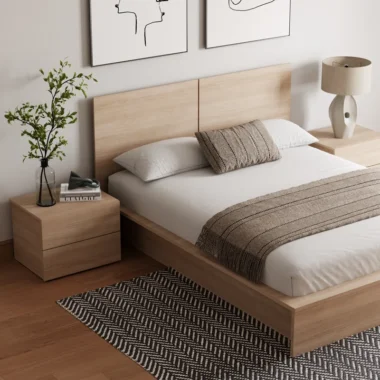
Bed frames come in numerous styles and constructions. Platform beds sit low to the ground and offer a sleek, modern aesthetic particularly popular in contemporary Dubai apartments. These frames often include built-in storage drawers underneath, providing valuable space-saving solutions in compact bedrooms. Panel beds feature a headboard and footboard connected by side rails, creating a more traditional look favored in villa master bedrooms. Sleigh beds curve gracefully at both ends, adding an elegant, classical touch that complements traditional or transitional interior styles common in UAE family homes.
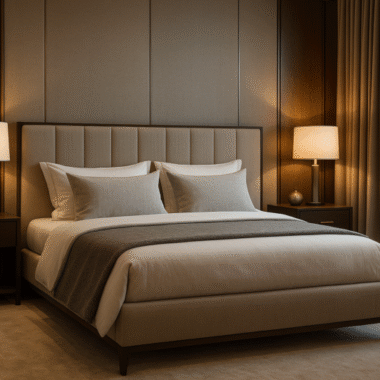
Upholstered beds have gained tremendous popularity across the UAE in recent years, offering both visual softness and practical comfort. The padded headboard provides a comfortable surface for sitting up to read or watch television, activities many UAE residents enjoy in their bedrooms. Fabric options range from luxurious velvet that adds depth and richness to linen blends that offer breathable comfort in the warm climate. Leather upholstery presents another sophisticated option, though it requires consideration of heat retention in UAE conditions. When selecting upholstered beds, pay attention to fabric durability and cleaning requirements, as these beds require more maintenance than wooden alternatives.
Bed size selection deserves careful thought relative to both your bedroom dimensions and user needs. Single beds (90 x 190 cm) work for children’s rooms and compact guest bedrooms. Twin beds placed side by side suit guest rooms where flexibility between accommodating couples or individual guests is desired. Queen beds (150 x 200 cm) offer comfortable sleeping space for couples in medium-sized bedrooms, while king beds (180 x 200 cm) provide luxurious sprawl for master suites in villas or spacious apartments. Super king sizes (200 x 200 cm) represent the ultimate in sleeping luxury but require generous room dimensions to avoid overwhelming the space.
Storage beds have become increasingly popular in UAE homes where maximizing every centimeter of space matters. These beds feature drawers, hydraulic lift mechanisms, or ottoman-style storage compartments beneath the mattress. For apartments where closet space is limited, a storage bed can accommodate seasonal clothing, extra bedding, or other items that would otherwise require separate storage furniture. The additional height these beds often require should be considered if you have low ceilings, but in most UAE homes with standard ceiling heights, this isn’t problematic.
The headboard deserves special consideration as it significantly impacts your bedroom’s visual character. Tall, dramatic headboards create focal points and add architectural interest to large bedrooms, while lower profiles suit smaller spaces or rooms with lower ceilings. Some headboards include built-in nightstands or shelving, offering functional storage in compact layouts. In UAE interiors, statement headboards upholstered in rich fabrics or crafted from intricately carved wood often serve as bedroom centerpieces that reflect the region’s appreciation for luxury and craftsmanship.
Wardrobes and Closet Solutions
After the bed, wardrobe or closet solutions represent your bedroom’s most essential furniture category. In the UAE, where many modern apartments come with limited or no built-in closet space, freestanding wardrobes often provide the primary clothing storage. Even in homes with built-in closets, additional wardrobe furniture frequently supplements storage needs, particularly in master bedrooms serving two people with extensive wardrobes.


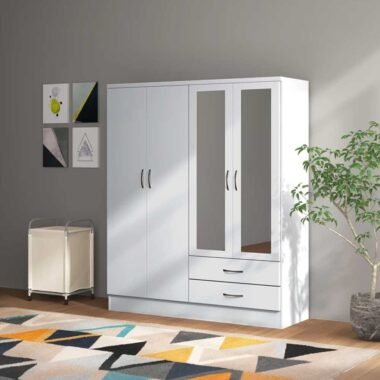
Freestanding wardrobes come in various configurations to suit different needs. Single-door wardrobes offer compact storage ideal for children’s rooms or guest bedrooms with limited space. Two-door wardrobes provide standard storage capacity suitable for one person’s wardrobe or for couples with minimal clothing. Three-door and four-door wardrobes offer generous storage with multiple compartments, typically including hanging space, shelving, and drawers. In UAE villas with spacious bedrooms, large wardrobes with four or more doors create substantial storage while making bold design statements.
The internal configuration of wardrobes significantly affects their practical utility. Look for wardrobes with adjustable shelves that let you customize the layout as your needs change. Hanging rails at different heights accommodate both long garments like dresses and abayas as well as shorter items like shirts and folded trousers. Some wardrobes include specialized features like pull-out trouser racks, tie holders, or jewelry drawers—useful additions for people with extensive accessory collections. In the UAE climate, wardrobes with good ventilation or cedar lining help protect clothing from humidity and keep fabrics fresh.
Sliding door wardrobes present an excellent solution for bedrooms where floor space is limited. Unlike hinged doors requiring clearance to open, sliding doors glide along tracks, making them perfect for compact bedrooms or for positioning wardrobes in tight spaces. Many Dubai apartments feature bedrooms where sliding wardrobes maximize functionality without compromising movement space. These wardrobes often include mirror panels on doors, which serve dual purposes of functionality and visually expanding the room—particularly valuable in smaller bedrooms.
Walk-in closets represent the ultimate storage luxury in UAE villa master bedrooms. While technically a room rather than furniture, walk-in closets often require furniture-like organizational systems including hanging rods, shelving units, drawer towers, and island dressers. If you’re fortunate enough to have walk-in closet space, invest in quality organizational furniture that maximizes every centimeter while creating a boutique-like experience. Well-designed walk-in closets can accommodate extensive wardrobes for couples while providing space for shoes, bags, and accessories in an organized, accessible manner.
Armoires offer an alternative to standard wardrobes, typically featuring both hanging space behind doors and drawer storage below. These pieces originated in traditional European design but have found favor in UAE homes for their elegant appearance and versatile functionality. A beautiful armoire can serve as a bedroom focal point while providing practical storage, particularly in bedrooms styled with traditional or transitional aesthetics. Some armoires include built-in television compartments, offering a solution for those who want screen entertainment in bedrooms while maintaining a cohesive furniture look.
Dressers and Chest of Drawers
Dressers provide essential storage for folded clothing, undergarments, accessories, and personal items that don’t require hanging. In UAE bedrooms, dressers serve both functional storage needs and aesthetic purposes, often featuring decorative hardware and beautiful finishes that enhance the room’s visual appeal. The flat top surface also provides valuable space for displaying decorative items, holding table lamps, or organizing daily-use items like watches and jewelry.
Standard dressers typically feature 6-9 drawers arranged in two or three vertical columns, providing substantial storage capacity in a relatively compact footprint. The wide horizontal format suits placement against bedroom walls, often positioned opposite or perpendicular to the bed. In master bedrooms, matching dressers can provide separate storage for each partner, a popular arrangement in UAE homes where couples appreciate having their own designated furniture pieces. The drawer configuration usually includes smaller top drawers suitable for accessories and larger bottom drawers for bulkier items.
Tall chest of drawers, sometimes called tallboys, maximize vertical space rather than horizontal, making them ideal for smaller bedrooms or for positioning in corners and narrow wall sections. These pieces typically feature 5-7 drawers stacked vertically in a single column, offering similar storage capacity to standard dressers but occupying less floor space. In Dubai apartments where bedroom square footage is precious, tall chests provide storage efficiency without overwhelming limited space. Their height also draws the eye upward, potentially making rooms feel more spacious.
Drawer quality significantly impacts your long-term satisfaction with dressers and chests. Look for dovetail joinery connecting drawer fronts to sides—this traditional construction method ensures drawers withstand years of daily opening and closing. Drawer glides should operate smoothly and quietly; soft-close mechanisms represent a worthwhile upgrade that prevents slamming and extends furniture life. In the UAE climate, drawers should move freely even during humid periods when wood can swell slightly. Test drawers in-store, pulling them fully out and pushing them closed multiple times to assess quality.
Interior drawer organization varies considerably between furniture pieces. Some dressers include felt-lined top drawers for jewelry and delicate items—a luxury feature appreciated in high-end furniture. Drawer dividers, whether built-in or added separately, help maintain organization and prevent clothing from becoming jumbled. Consider your specific storage needs when selecting dressers; if you have extensive accessory collections, drawers with compartmentalization prove more functional than large open spaces. For everyday clothing, deeper drawers accommodate more items but can become disorganized without proper folding discipline.
The dresser top surface offers opportunities beyond simple storage. Many UAE homeowners style dresser tops as display areas, arranging perfume bottles, decorative trays, framed photos, and small plants to create visually appealing vignettes. A large mirror above the dresser transforms it into a functional dressing area, particularly useful in bedrooms without separate vanity furniture. Consider dresser height relative to your needs—taller dressers place the top surface at comfortable height for adults, while lower profiles might suit children’s rooms where accessibility matters.
Nightstands and Bedside Tables
Nightstands serve as your bedroom’s most frequently accessed furniture, holding items you need within arm’s reach while in bed. In UAE homes, nightstands typically hold table lamps for reading, mobile phones and chargers, alarm clocks, water glasses, and perhaps books or medications. These small but essential furniture pieces anchor the bed visually while providing crucial functionality that impacts your daily comfort and convenience.
Traditional nightstands feature one or two drawers atop enclosed cabinet space, offering both concealed storage and a surface for lamps and personal items. This classic design suits bedrooms styled with traditional or transitional aesthetics and provides generous storage for items you want to keep in the bedroom but out of sight. Drawer nightstands work particularly well in master bedrooms where both partners need personal storage space for items like reading glasses, hand cream, or private documents. In the UAE’s dust-prone environment, enclosed storage helps keep bedside items cleaner than open alternatives.
Open nightstands featuring shelves rather than drawers create a more casual, airy aesthetic popular in modern and minimalist bedroom designs. These pieces typically cost less than drawer alternatives and offer easy access to books, magazines, or decorative objects. However, they require more organizing discipline to avoid looking cluttered—a consideration in UAE homes where maintaining visual serenity in bedrooms is valued. Open nightstands suit people who keep minimal items bedside or who appreciate the aesthetic of displaying beautiful books and objects.
Nightstand height relative to your mattress top significantly impacts functionality. Ideally, the nightstand surface should sit at or slightly below mattress height, creating comfortable reach from a lying or sitting position. In UAE homes where bed heights vary from low platform beds to tall storage beds, selecting appropriately sized nightstands ensures ergonomic comfort. If your bed frame is unusually high or low, custom nightstands or adjustable options might be necessary to achieve optimal positioning.
Matching nightstands on both sides of the bed create visual balance and symmetry, an aesthetic many UAE homeowners prefer, particularly in master bedrooms. However, using different nightstands can add character and prevent overly matchy-matchy looks that feel stiff or hotel-like. If choosing non-matching nightstands, ensure they relate through shared elements like finish color, material, or height to maintain visual cohesion. This approach works particularly well in bedrooms with eclectic or collected-over-time aesthetics rather than matching furniture sets.
Innovative nightstand alternatives have emerged for modern UAE apartments where space is limited. Wall-mounted floating shelves eliminate floor footprint while providing surface space. Small side tables originally designed for living rooms can serve as nightstands with unique character. Even a simple stool can function as a minimalist nightstand, holding just a lamp and phone. These alternatives particularly suit compact guest bedrooms or children’s rooms where traditional nightstands might overwhelm limited space. Consider your actual nightstand needs—if you truly only need space for a phone and lamp, elaborate nightstands might be unnecessary furniture.
Vanity Tables and Dressing Areas
Vanity tables, also called dressing tables, provide dedicated space for grooming, makeup application, and accessory selection. In UAE culture, where personal presentation holds significance, many homeowners prioritize vanity furniture in master bedrooms and even in teenage daughters’ rooms. A well-appointed vanity transforms daily grooming from a bathroom counter activity into a luxurious ritual performed in the comfort of your bedroom.
Traditional vanities feature a flat surface table with drawers for storage, accompanied by an attached or wall-mounted mirror and a coordinating stool or chair. The tabletop provides space for organizing makeup, skincare products, jewelry, and hair styling tools. Drawer compartments keep these items organized and protected, with some vanities featuring specialized dividers for different product types. In UAE homes, vanities often become personal sanctuaries within the bedroom—beautiful, functional spaces that reflect individual style while supporting self-care routines.
Vanity lighting deserves careful consideration, as proper illumination is essential for makeup application and detailed grooming tasks. Many UAE homeowners position vanities near windows to capitalize on natural light, though this requires consideration of sun exposure at different times. Artificial lighting should illuminate your face evenly without harsh shadows; vanities with built-in lighted mirrors or those positioned with table lamps on either side provide optimal lighting conditions. In bedrooms where natural light is limited, investing in quality lighting for your vanity area proves worthwhile.
The mirror is arguably the vanity’s most important component. Three-panel hinged mirrors allow viewing from multiple angles, useful for checking hairstyles and makeup symmetry. Large single mirrors make bold design statements and maximize light reflection in the room. Some vanities include mirrors with built-in jewelry storage behind the reflective surface—a clever space-saving solution for smaller bedrooms. Mirror quality matters; look for clear, distortion-free glass with substantial thickness that won’t warp your reflection. In the UAE’s climate, mirrors should be sealed properly to prevent moisture damage to the backing.
Vanity seating comfort impacts how much you’ll actually use this furniture. Upholstered stools provide cushioned comfort for extended grooming sessions, with velvet and linen being popular fabric choices in UAE homes. Backless stools tuck completely under the vanity table when not in use, saving floor space in compact bedrooms. Benches with backs offer more comfort for longer periods but require additional clearance behind the vanity. Consider your typical vanity usage—if you spend significant time on elaborate makeup routines, comfortable seating becomes essential; for quick daily grooming, a simple stool suffices.
Vanity placement in the bedroom requires thoughtful planning. Ideally, position vanities where natural light is available but not overwhelming, away from direct afternoon sun that could make the area uncomfortably warm. Ensure electrical outlets are accessible for hair dryers, curling irons, and other styling tools commonly used at vanities. In master bedrooms, vanities often occupy alcoves or wall sections between the bed and wardrobe, creating a dedicated grooming zone separate from sleeping and storage areas. Some UAE villa bedrooms include walk-in closets with integrated vanity areas—the ultimate in luxury and convenience.
Seating Options: Benches and Chairs
Bedroom seating beyond the bed itself adds functionality and comfort, particularly in larger master bedrooms common in UAE villas. While not essential in compact bedrooms where space is limited, seating furniture transforms bedrooms into true retreats where you can relax, read, or simply sit while dressing. The right seating pieces enhance both the room’s utility and its aesthetic appeal.
End-of-bed benches serve multiple practical purposes while anchoring the bed visually. These long, narrow pieces provide convenient seating for putting on shoes, can hold decorative pillows and throws during the day, and offer surfaces for laying out clothing. In master bedrooms, benches create a finished, hotel-like appearance that elevates the room’s luxury quotient. Upholstered benches in sumptuous fabrics like velvet add softness and color; wooden benches with cushioned tops blend structure with comfort. In UAE homes where bedrooms double as personal retreats, end-of-bed benches contribute to that resort-style ambiance many homeowners desire.
Accent chairs positioned in bedroom corners or near windows create intimate reading nooks or contemplative spaces. In spacious villa bedrooms, a comfortable chair with an accompanying side table and floor lamp establishes a secondary zone within the room—perfect for morning coffee, evening reading, or quiet moments away from the rest of the household. For UAE homeowners who enjoy starting or ending their days with peaceful solo time, bedroom seating provides that opportunity without leaving the private sanctuary of their personal space.
Ottoman storage pieces combine seating functionality with hidden storage, making them particularly valuable in bedrooms where every furniture item should serve multiple purposes. These upholstered cubes or rectangles lift to reveal interior compartments suitable for storing extra blankets, out-of-season clothing, or other items you want accessible but not visible. In compact Dubai apartments, ottoman storage pieces maximize space efficiency while adding comfort and style. They can serve as end-of-bed benches, bedside seating, or even impromptu tables with a serving tray placed on top.
Chaise lounges represent the ultimate bedroom luxury, offering full reclining comfort for reading, relaxing, or even afternoon naps. In large master bedrooms with space to spare, a chaise lounge creates a hotel suite atmosphere that many UAE homeowners aspire to achieve. Positioned near windows, chaise lounges become sunlit reading spots; placed in corners, they offer intimate retreat areas within the bedroom. While chaise lounges require significant floor space and substantial budget investment, they deliver unmatched comfort and style for those who can accommodate them.
The choice between upholstered and wooden seating depends on your bedroom’s style and your comfort preferences. Upholstered pieces provide cushioned comfort and introduce texture and color, but they require more maintenance and cleaning than wooden alternatives. In UAE homes with carpeted bedrooms, upholstered seating complements the softness underfoot; in rooms with hard flooring, upholstery adds necessary textural contrast. Wooden seating with minimal padding offers a cleaner-lined aesthetic and easier maintenance—considerations for busy households or for those who prefer low-maintenance furniture. Many homeowners find that combining both types—perhaps a wooden bench with upholstered cushions—provides the best balance of style, comfort, and practicality.
Additional Furniture Pieces for Luxury Bedrooms
Beyond the essential categories, several additional furniture pieces can elevate bedrooms from functional sleeping spaces to comprehensive personal suites. These items, while not necessary for everyone, address specific needs and desires that many UAE homeowners have as they create their ideal bedroom environments. Whether you’re furnishing a spacious villa master suite or adding special touches to a well-appointed apartment bedroom, these additional pieces deserve consideration.
Media consoles or TV stands have become increasingly common in UAE bedrooms as flat-screen televisions have grown more affordable and design-conscious. If you enjoy watching television in bed, a dedicated media console provides organized storage for electronics while creating a proper home for the TV rather than awkwardly mounting it on the wall. Look for consoles with cable management systems to keep wires tidy and drawers or cabinets for storing remotes, gaming systems, or media accessories. In bedrooms styled with cohesive furniture sets, matching the media console to other pieces maintains visual harmony.
Bookcases or shelving units serve readers who keep personal libraries in their bedrooms or who use shelving for displaying decorative objects, family photos, and treasured items. Open bookcases create visual interest through styling opportunities while making possessions accessible. In children’s and teen bedrooms, bookcases provide essential storage for school supplies, books, and the collections young people accumulate. Wall-mounted shelving offers similar functionality with no floor footprint—ideal for compact bedrooms where every square meter of floor space matters.
Folding screens or room dividers serve multiple purposes in large bedrooms, particularly in studio apartments or open-plan spaces where the bedroom isn’t separated by walls from other areas. Decorative screens can define sleeping zones, hide less attractive furniture like ironing boards or exercise equipment, or simply add architectural interest and texture. In UAE homes, intricately carved wooden screens or fabric-paneled dividers reflect the region’s rich decorative traditions while serving practical functions. Some couples use screens to create “his and hers” dressing areas within a shared master bedroom, providing privacy and personalization.
Floor mirrors, while not technically furniture, deserve mention as bedroom essentials for many people. Full-length mirrors are necessary for checking complete outfits before leaving home, a daily ritual for most adults. Freestanding floor mirrors can be repositioned as needed and often feature decorative frames that contribute to bedroom aesthetics. In smaller bedrooms, large mirrors reflect light and create the illusion of more space—a design trick particularly effective in Dubai apartments where maximizing spatial perception matters. Some floor mirrors include jewelry storage built into the backing, combining functionality with form.
Luggage racks or suitcase stands serve households where travel is frequent—common in the UAE’s internationally connected population. Rather than living out of suitcases on bedroom floors or beds, luggage racks provide dignified temporary accommodation for travel bags. Folding racks store compactly when not needed, making them practical for guest bedrooms where visitors appreciate having designated space for their belongings. In master bedrooms of frequent travelers, permanent luggage storage solutions might be integrated into walk-in closets, but simple racks offer flexibility for occasional use.
Essential Bedroom Furniture Checklist
| Furniture Type | Essential/Optional | Best For | Average Size Range |
|---|---|---|---|
| Bed Frame | Essential | Everyone | Single (90x190cm) to Super King (200x200cm) |
| Mattress | Essential | Everyone | Matches bed frame size |
| Wardrobe | Essential | Homes without built-in closets | 80cm-240cm width, 180cm-220cm height |
| Dresser | Essential | Most bedrooms | 100cm-180cm width, 75cm-90cm height |
| Nightstands (2) | Essential | Adult bedrooms | 40cm-60cm width, 50cm-70cm height |
| Vanity Table | Optional | Master bedrooms, teen rooms | 90cm-130cm width, 75cm-80cm height |
| End-of-bed Bench | Optional | Medium to large bedrooms | 100cm-160cm length, 45cm height |
| Accent Chair | Optional | Large bedrooms, reading enthusiasts | 70cm-90cm width, depends on style |
| Chest of Drawers | Optional | Additional storage needs | 70cm-100cm width, 100cm-140cm height |
| Media Console | Optional | Bedrooms with TV | 120cm-180cm width, 50cm-70cm height |
| Bookcase | Optional | Book lovers, display needs | 60cm-120cm width, 150cm-200cm height |
| Ottoman | Optional | Compact spaces needing multi-function furniture | 40cm-80cm width/length, 40cm-45cm height |
| Chaise Lounge | Optional | Spacious luxury bedrooms | 150cm-200cm length, 75cm-85cm height |
| Full-length Mirror | Optional | Daily outfit checking | 40cm-60cm width, 150cm-180cm height |
Key Features to Look for in Each Furniture Type:
Beds:
- Solid construction with quality joinery
- Appropriate mattress support (slats or platform)
- Headboard height proportional to ceiling and room size
- Easy assembly/disassembly for moving
- Finish that complements other furniture
Wardrobes:
- Adjustable internal shelving
- Combination of hanging space and drawers
- Soft-close hinges on doors
- Mirror option on doors or separate
- Ventilation features to prevent mustiness
Dressers:
- Dovetail drawer construction
- Smooth drawer glides (preferably soft-close)
- Solid top surface for lamp placement
- Drawer sizes appropriate to contents
- Stable base to prevent tipping
Nightstands:
- Height compatible with bed
- Surface size for lamp and essentials
- Easy-access drawer or shelf
- Cable management for charging devices
- Matching or complementary to bed
Vanities:
- Adequate surface space for products
- Drawer organization for small items
- Compatible mirror (attached or wall-mounted)
- Comfortable seating included or available
- Proper lighting capability
Seating:
- Comfortable cushioning if upholstered
- Fabric suitable for bedroom use (cleanable)
- Proportions appropriate to room size
- Style compatible with other furniture
- Stability and quality construction
Bedroom Furniture Styles That Suit UAE Interiors
Selecting a style for your bedroom furniture is one of the most personal and impactful decisions in the design process. Your chosen style sets the entire tone of your space, reflecting your personality while creating an atmosphere that either energizes or soothes. In the UAE’s diverse cultural landscape, bedroom furniture styles range from ultra-modern minimalism in contemporary Dubai high-rises to richly traditional designs that honor Arabic heritage in family villas.
Understanding different style categories and how they translate to bedroom furniture helps you articulate your vision and select pieces that create a cohesive, authentic aesthetic. The beauty of furnishing a bedroom in the UAE is that you’re free to draw from global design influences while incorporating elements that reflect the region’s unique character and your personal connection to Emirati culture.
Modern Contemporary Bedroom Furniture
Modern contemporary bedroom furniture represents the most popular style choice among UAE residents, particularly in Dubai and Abu Dhabi’s newer residential developments. This aesthetic emphasizes clean lines, uncluttered surfaces, and functional design that prioritizes simplicity and practicality. Contemporary bedroom furniture typically features geometric forms without excessive ornamentation, smooth surfaces, and a focus on the inherent beauty of materials rather than decorative embellishments. In UAE apartments with modern architecture, contemporary furniture creates seamless visual continuity between the bedroom and the rest of the home.
The material palette for contemporary bedroom furniture leans toward sleek finishes and innovative materials. You’ll find furniture with high-gloss lacquered surfaces that reflect light beautifully, creating luminous effects in sun-filled UAE bedrooms. Matte finishes in neutral tones like white, grey, charcoal, and black provide sophisticated alternatives with less maintenance than glossy surfaces. Many contemporary pieces incorporate metal accents—chrome, brushed nickel, or gold—adding subtle glamour without overwhelming the streamlined aesthetic. Glass and mirror elements appear frequently in contemporary designs, from mirrored nightstand fronts to glass-topped dressers, creating visual lightness that suits the airy, open feeling many UAE homeowners desire.
Color schemes in contemporary bedroom furniture typically remain neutral, though this doesn’t mean boring. Rich grays, warm taupes, soft whites, and deep charcoals create sophisticated backdrops that allow textiles and accessories to provide color pops. Many UAE homeowners appreciate how neutral contemporary furniture adapts easily to changing tastes—you can refresh your bedroom’s look simply by changing bedding, pillows, and accessories rather than replacing expensive furniture. Wood tones in contemporary pieces tend toward lighter options like white oak or bleached woods, though darker walnut finishes have gained popularity for adding warmth to ultra-modern spaces.
The functionality focus of contemporary design makes it particularly practical for busy UAE lifestyles. Contemporary bedroom furniture often incorporates smart storage solutions like hidden compartments, integrated shelving, and multi-functional pieces that serve several purposes. Beds might include built-in nightstands or under-bed drawers; dressers may feature innovative drawer configurations that maximize internal space. This practical approach resonates with UAE residents who value efficiency and organization alongside aesthetic appeal. In compact Dubai apartments where space optimization is crucial, contemporary furniture’s functional emphasis delivers both beauty and utility.
Contemporary bedroom furniture suits UAE homes where residents appreciate current design trends and want spaces that feel fresh and modern. This style works beautifully in high-rise apartments with floor-to-ceiling windows, where furniture’s clean lines complement architectural elements. It’s ideal for young professionals, couples without children, and anyone who prefers uncluttered, peaceful environments. Contemporary furniture also provides an excellent foundation for incorporating statement pieces—a dramatic chandelier, bold artwork, or luxurious textiles stand out beautifully against contemporary furniture’s neutral backdrop.
Key Characteristics of Modern Contemporary Style:
- Clean, straight lines with minimal curves or ornamentation
- Neutral color palettes with occasional bold accent colors
- Mix of natural and man-made materials (wood, metal, glass, lacquer)
- Low-profile furniture with horizontal emphasis
- Sleek hardware or handle-free designs
- Focus on functionality and hidden storage
- Geometric shapes and asymmetrical arrangements
- Reflective surfaces that enhance natural light
Classic and Traditional Arabic-Inspired Designs
Traditional Arabic-inspired bedroom furniture celebrates the rich decorative heritage of the Middle East, featuring intricate craftsmanship, luxurious materials, and ornate details that have characterized the region’s furniture for centuries. This style resonates deeply with Emirati families and residents who want their homes to reflect cultural roots and honor traditional aesthetics. In UAE villas, particularly in older neighborhoods and family compounds, traditional bedroom furniture creates spaces that feel connected to heritage while providing the comfort and functionality modern life requires.
The hallmark of traditional Arabic furniture is exceptional craftsmanship and attention to detail. Bedroom pieces often feature elaborate wood carvings with geometric patterns, arabesque motifs, or calligraphic elements that hold cultural significance. Mother-of-pearl inlay work, a traditional Middle Eastern decorative technique, appears on headboards, wardrobe doors, and dresser fronts, catching light beautifully and adding dimension to furniture surfaces. Brass or bronze hardware with intricate designs replaces the minimalist handles of contemporary furniture, becoming decorative features in their own right. These handcrafted details transform bedroom furniture into artworks that celebrate regional artistic traditions.
Wood selection in traditional Arabic furniture tends toward rich, dark varieties that convey gravitas and luxury. Walnut, mahogany, and dark-stained oak create the substantial presence traditional pieces are known for. The wood’s natural grain is often enhanced through finishing techniques that emphasize depth and character. In contrast to contemporary furniture’s light visual weight, traditional pieces have physical and visual heft—they command attention and create a sense of permanence. This substantial quality appeals to UAE families furnishing multi-generational homes where furniture is expected to last decades and potentially become family heirlooms.
Color and fabric choices in traditional Arabic bedroom furniture reflect the region’s love of luxury and richness. Deep jewel tones—sapphire blue, emerald green, ruby red, and amethyst purple—appear in upholstered headboards and seating. Gold and bronze metallic accents add shimmer and opulence without appearing gaudy when used in traditional contexts. Silk, velvet, and brocade fabrics with damask or paisley patterns provide texture and visual interest. These rich materials and colors create bedrooms that feel like sanctuary spaces, cocoon-like retreats from the outside world where family members can connect with cultural identity and enjoy sensory luxury.
Traditional Arabic furniture works beautifully in UAE homes where residents value cultural continuity and want bedrooms that honor heritage. This style suits spacious villa bedrooms with high ceilings where substantial furniture proportions feel appropriate rather than overwhelming. It’s ideal for multi-generational households, families with strong cultural connections, and anyone who appreciates handcrafted artistry and ornate beauty. Traditional furniture also pairs wonderfully with Persian or Turkish rugs, ornate lighting fixtures, and the textural wall treatments common in luxury UAE homes. While maintenance requirements exceed contemporary furniture due to carved details that can accumulate dust, the visual reward and cultural resonance make this investment worthwhile for many families.
Key Characteristics of Traditional Arabic Style:
- Rich, dark wood species with prominent grain
- Intricate carving with geometric or floral motifs
- Mother-of-pearl, brass, or bone inlay decoration
- Ornate hardware in brass, bronze, or antique finishes
- Jewel-tone color palettes with metallic accents
- Luxurious upholstery fabrics (silk, velvet, brocade)
- Substantial proportions with architectural presence
- Handcrafted details and artisanal techniques
Luxury and Glamorous Bedroom Styles
Luxury glamorous bedroom furniture represents the pinnacle of opulence and visual drama, creating spaces that rival five-star hotel suites and high-end residences featured in design magazines. This style has tremendous appeal in the UAE, where appreciation for luxury and celebration of success through home environments is deeply embedded in the culture. Glamorous bedroom furniture makes bold statements through exceptional materials, dramatic proportions, and dazzling details that catch the eye and elevate everyday living into something special.
The material palette in glamorous bedroom furniture emphasizes precious and luxurious options. Velvet upholstery in rich colors—from classic neutrals like champagne and slate gray to bolder choices like peacock blue or dusty rose—provides touchable luxury and visual sumptuousness. Mirrored furniture surfaces create sparkle and light play, with entire wardrobes, dressers, or nightstands covered in beveled mirror panels that amplify illumination in rooms. Metallic finishes in gold, rose gold, chrome, or antiqued silver add jewelry-like quality to furniture hardware, legs, and decorative elements. Crystal or glass knobs replace standard handles, transforming functional components into decorative features.
Tufted and upholstered furniture pieces are signature elements of glamorous bedrooms. Channel-tufted or button-tufted headboards create texture and dimension, often rising dramatically high to make the bed an undeniable focal point. Wingback designs on upholstered beds add architectural interest and frame sleeping spaces like thrones. The deep cushioning provides comfort for sitting up in bed while creating visual luxury that photographs beautifully—a consideration for UAE residents who enjoy sharing their elegant homes on social media. Velvet remains the top fabric choice for glamorous furniture, though leather, suede, and metallic-threaded textiles offer equally luxurious alternatives.
Proportions in glamorous bedroom furniture tend toward the generous and dramatic. Oversized headboards soar toward ceilings, creating architectural presence that anchors rooms. Substantial nightstands and dressers balance these dramatic beds, preventing the space from feeling top-heavy. Many glamorous furniture pieces feature curved elements—bowed dresser fronts, curved wardrobe doors, rounded nightstand corners—that soften the overall aesthetic while adding feminine grace. In spacious UAE villa bedrooms where furniture scale can be increased without overwhelming space, these generous proportions create the resort-like luxury many homeowners aspire to achieve.
Decorative details in glamorous furniture push beyond traditional boundaries, embracing embellishment without apology. Nailhead trim outlines upholstered pieces, adding subtle sparkle and definition. Carved wooden elements might be gilded or silvered rather than left in natural wood tones. Furniture legs often receive special treatment—acrylic lucite legs create floating illusions, while tapered gold metal legs add mid-century glamour. Glass and mirror are used generously, from mirrored wardrobe doors that expand visual space to glass-topped vanities that showcase beautiful bases beneath. The overall effect is unabashedly luxurious, creating bedrooms that feel special and celebratory rather than merely functional.
Glamorous bedroom furniture suits UAE residents who love entertaining, appreciate luxury, and want bedrooms that reflect success and refined taste. This style works beautifully in master bedrooms of newer villas and luxury apartments where architectural backdrops—crown molding, tray ceilings, elegant flooring—support furniture drama. It’s ideal for people who view their homes as expressions of personal achievement and who enjoy environments that feel perpetually special. While glamorous furniture requires regular maintenance to keep mirrored surfaces spotless and upholstery pristine, the visual impact and daily pleasure these pieces provide make the effort worthwhile for those who prioritize beauty and luxury in their personal spaces.
Key Characteristics of Luxury Glamorous Style:
- Rich upholstery fabrics, especially velvet and silk
- Mirrored furniture surfaces for light reflection
- Metallic finishes in gold, silver, or rose gold
- Tufted headboards and upholstered pieces
- Crystal, glass, or jeweled hardware accents
- Generous proportions and dramatic scale
- Curved feminine lines and graceful silhouettes
- Abundant decorative details and embellishments
Minimalist and Scandinavian Influences
Minimalist and Scandinavian-influenced bedroom furniture represents the opposite end of the spectrum from glamorous excess, celebrating restraint, simplicity, and the beauty of essentialism. This aesthetic has gained devoted followers in the UAE, particularly among younger residents and those who find peace in uncluttered, serene environments. Scandinavian design principles—functionality, natural materials, clean lines, and connection to nature—translate beautifully to bedroom furniture that creates calm, restorative spaces perfect for the rest and relaxation bedrooms should provide.
The minimalist approach to bedroom furniture emphasizes “less is more,” selecting only essential pieces and ensuring each item serves clear purposes. Rather than filling bedrooms with numerous furniture pieces, minimalist bedrooms might contain simply a bed, two nightstands, and one storage piece—usually a streamlined wardrobe or dresser. This restraint creates spaciousness even in compact rooms and allows architectural features and natural light to become primary design elements. In Dubai apartments where living spaces can feel tight, minimalist furniture arrangements maximize openness and prevent rooms from feeling cluttered or overwhelming.
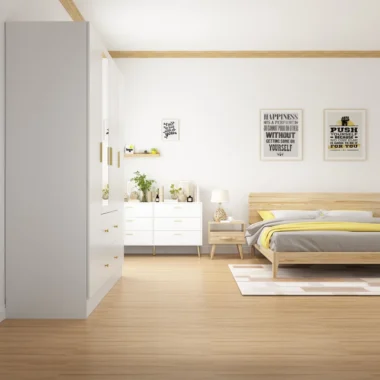
Material choices in Scandinavian-influenced bedroom furniture celebrate natural textures and honest construction. Light woods—ash, birch, white oak, beech—dominate the palette, their pale tones creating bright, airy feelings that suit UAE’s sunny climate. Wood grain is typically visible and celebrated rather than hidden under heavy stains or paints. Furniture finishes tend toward natural oils or light lacquers that protect wood while maintaining organic appearance. The warmth of natural wood prevents minimalist spaces from feeling cold or institutional, creating instead a connection to nature that brings psychological comfort to urban dwellings far removed from natural environments.
Functionality and thoughtful design characterize every element of minimalist Scandinavian furniture. Storage solutions are integrated seamlessly into furniture forms—beds include discreet drawers, nightstands feature hidden compartments, wardrobes maximize internal organization without external complexity. Hardware might be entirely absent, with push-to-open mechanisms replacing visible handles for completely clean facades. Furniture legs are often tapered and slender, creating visual lightness and making cleaning beneath pieces easier. Every design decision serves practical purposes while contributing to aesthetic cleanliness. This functionality-first approach resonates with UAE residents who appreciate smart design and efficient living.
The color palette in minimalist Scandinavian bedrooms remains deliberately restricted, typically featuring whites, soft grays, and natural wood tones as primary elements. This neutral foundation creates peaceful environments that support rest and relaxation—the bedroom’s primary purpose. Textiles might introduce subtle color through bedding and pillows, but even these accents tend toward muted, natural tones rather than bold hues. The restraint isn’t about coldness but rather about creating visual calm that allows residents to truly relax and decompress. In the UAE’s busy, stimulating urban environments, minimalist bedrooms offer essential counterbalance—quiet retreats from sensory overload.
Minimalist and Scandinavian-influenced furniture suits UAE residents who value quality over quantity, appreciate serene environments, and find beauty in simplicity. This style works brilliantly in smaller apartments where restraint prevents overcrowding, but it also creates peaceful sanctuaries in spacious villas where residents choose calm over complexity. It’s ideal for people with organized, streamlined lifestyles who don’t accumulate excessive possessions and who prefer cleaning and maintenance ease. While this aesthetic requires discipline—resisting the urge to add “just one more thing”—the psychological benefits of uncluttered, peaceful bedrooms make minimalism increasingly popular among UAE’s wellness-conscious residents.
Key Characteristics of Minimalist/Scandinavian Style:
- Light wood tones (ash, birch, white oak, beech)
- Clean lines with minimal ornamentation
- Neutral color palettes (white, gray, natural tones)
- Functional design with integrated storage
- Handle-free furniture with push mechanisms
- Visible wood grain and natural finishes
- Streamlined proportions and visual lightness
- “Less is more” furniture selection approach
Transitional Styles: Blending Modern and Traditional
Transitional bedroom furniture represents perhaps the most versatile and widely appealing style category, artfully blending contemporary and traditional elements to create balanced, timeless aesthetics. This approach has particular resonance in the UAE, where many residents appreciate both modern comfort and traditional beauty, where respect for heritage coexists with embrace of contemporary life. Transitional furniture bridges these worlds, creating bedrooms that feel neither dated nor stark, neither overly ornate nor excessively plain. This balanced approach suits UAE’s diverse population while creating spaces that remain stylish across changing trends.
The genius of transitional design lies in selective restraint—incorporating traditional elements without overwhelming spaces, adding contemporary features without creating coldness. Bedroom furniture in transitional style might feature clean-lined silhouettes reminiscent of contemporary design but constructed in rich woods associated with traditional furniture. A bed frame might have a simple rectangular headboard shape but include subtle button tufting that adds traditional texture. Dressers combine straight contemporary forms with traditional hardware choices—perhaps brushed bronze handles that reference classic aesthetics while maintaining clean appearance. This mixing creates sophisticated complexity that rewards closer examination.
Material and finish selections in transitional furniture lean toward medium wood tones that avoid both contemporary’s very light woods and traditional’s very dark options. Warm walnut, medium oak, and cherry woods provide visual warmth without the heaviness of mahogany or the coolness of whitewashed oak. Finishes might be satin rather than high-gloss or matte, achieving middle ground that suits both contemporary and traditional contexts. Upholstery fabrics similarly blend approaches—perhaps linen (contemporary) in neutral tones (traditional), or velvet (traditional) in clean, unfussy silhouettes (contemporary). These thoughtful combinations create furniture that reads as neither distinctly modern nor traditionally classical but elegantly timeless.
Proportions in transitional bedroom furniture strike balance between contemporary’s low profiles and traditional’s substantial presence. Headboards rise to comfortable heights without dramatic soaring; dressers and wardrobes maintain presence without overwhelming rooms. This scaled-back approach suits a wide range of bedroom sizes, from compact apartments to spacious villas, making transitional furniture remarkably adaptable. Details are present but edited—perhaps a dresser features subtle shaping on drawer fronts rather than elaborate carving, or a bed includes curved lines in the footboard while maintaining straight sides. The effect is refined without being fussy, interesting without being busy.
Color palettes in transitional bedrooms tend toward sophisticated neutrals with room for accent colors. Furniture in warm grays, soft taupes, medium browns, or muted blues provides versatile foundations that work with various accessory choices. Unlike minimalist restrictions or glamorous bold choices, transitional color approaches offer flexibility—you can dress these bedrooms traditionally with rich textiles and layered accessories, or contemporarily with simple bedding and minimal decor. This adaptability makes transitional furniture excellent long-term investments that accommodate evolving tastes without requiring replacement. In UAE households where design preferences might shift as families grow and change, transitional furniture provides reliable foundations that remain relevant.
Transitional bedroom furniture suits the widest possible audience in the UAE—from young couples establishing first homes to established families in multi-generational villas, from minimalism-curious residents who want warmth to tradition-loving homeowners ready to simplify. This style works beautifully in both apartments and villas, in homes with contemporary architecture and those with more classical designs. It’s ideal for people who appreciate both modern convenience and traditional elegance, who want bedrooms that feel current without being trendy, sophisticated without being stuffy. The inherent flexibility of transitional design makes it perhaps the safest style investment for those uncertain about committing to more definitive aesthetic directions.
Key Characteristics of Transitional Style:
- Balanced blend of contemporary and traditional elements
- Medium wood tones that avoid extremes
- Clean lines with subtle traditional details
- Satin or semi-gloss finishes rather than extremes
- Moderate proportions neither stark nor oversized
- Edited ornamentation that’s present but restrained
- Neutral color palettes with flexibility for accents
- Timeless quality that transcends specific trends
Choosing Styles That Reflect Emirati Heritage
For UAE nationals and residents with deep connections to Emirati culture, bedroom furniture choices offer opportunities to honor and celebrate regional heritage through design. This doesn’t necessarily mean selecting purely traditional Arabic furniture—though that’s certainly one authentic approach—but rather thoughtfully incorporating elements that reflect the Emirates’ cultural identity, whether through subtle nods or comprehensive aesthetic commitments. Understanding how to integrate Emirati design sensibilities into bedroom furniture selections creates spaces that feel personally meaningful while maintaining contemporary comfort and functionality.
Emirati design heritage draws from Bedouin traditions, Islamic architectural principles, pearl-diving history, and the region’s position as historical crossroads between East and West. These influences manifest in bedroom furniture through various elements. Geometric patterns derived from Islamic art might appear as carved motifs on wooden headboards or as decorative overlays on wardrobe doors. Natural materials traditionally available in the region—palm wood, camel leather, woven natural fibers—can be incorporated into contemporary furniture forms that honor historical materials while meeting current comfort standards. Color palettes might reference the desert landscape—warm sand tones, terracotta, deep indigo reminiscent of the sea that sustained pearl divers, white like the region’s iconic architecture.
Mashrabiya screens—traditional latticework architectural elements—offer beautiful opportunities for cultural expression in bedroom furniture. Modern interpretations might include headboards with geometric cutwork patterns that create light-and-shadow play reminiscent of traditional Mashrabiya, or wardrobe panels featuring laser-cut geometric designs in contemporary materials that reference traditional craftsmanship techniques. These elements maintain cultural connections while utilizing modern manufacturing methods that ensure durability and precision. The resulting furniture feels both rooted in heritage and appropriate for contemporary UAE homes.
Handcrafted details honor the region’s artisanal traditions while creating unique, personalized furniture pieces. Seeking out bedroom furniture with hand-carved elements, hand-applied finishes, or custom modifications celebrates the skilled craftsmanship that has always characterized the Emirates’ best furniture making. While mass-produced furniture certainly serves practical needs, incorporating even a few handcrafted pieces—perhaps a custom headboard carved with family symbols, or a dresser with hand-painted details—creates meaningful connections to heritage and tradition. For Emirati families furnishing multi-generational homes, these custom elements can become family treasures passed through generations.
The concept of hospitality—central to Emirati culture—can influence bedroom furniture selections, particularly in guest rooms. Furnishing guest bedrooms with the same quality and attention as master bedrooms demonstrates the Emirati value of honoring guests. This might mean investing in comfortable beds with quality mattresses, providing adequate storage for guests’ belongings, and ensuring guest bedrooms feel complete and welcoming rather than afterthoughts furnished with castoffs. The cultural importance of making guests comfortable translates directly into furniture choices that prioritize visitor comfort and dignity.
Incorporating Emirati heritage into bedroom furniture doesn’t require choosing between tradition and modernity—the most successful approaches often blend both, creating spaces that honor cultural roots while embracing contemporary life. This might mean selecting primarily contemporary furniture but incorporating one traditional piece as a focal point, or choosing transitional furniture with subtle Arabic design influences. The key is authenticity—selecting elements that genuinely resonate with your personal connection to Emirati culture rather than appropriating cultural symbols superficially. For expatriate residents, respecting and appreciating regional design traditions while recognizing the distinction between appreciation and appropriation creates thoughtful, culturally sensitive design decisions.
For additional inspiration on current Middle Eastern bedroom design trends and how traditional elements are being reinterpreted in contemporary contexts, Architectural Digest Middle East offers excellent resources showcasing how regional designers are bridging heritage and modernity in residential spaces.
Choosing the Right Bedroom Furniture Size for Your Space
Selecting bedroom furniture in appropriate sizes might seem straightforward, yet it’s one of the most common mistakes homeowners make—and one that significantly impacts both functionality and aesthetics. Furniture that’s too large overwhelms rooms, making them feel cramped and difficult to navigate. Furniture that’s too small appears lost in spacious bedrooms, creating awkward proportions and underutilizing available space.
In the UAE, where bedroom sizes vary dramatically from compact 10-square-meter apartments in Dubai Marina to expansive 40-square-meter master suites in Arabian Ranches villas, understanding how to match furniture dimensions to room size is essential for creating comfortable, well-proportioned spaces. This section provides the guidance you need to make informed size decisions that ensure your bedroom furniture fits perfectly—both physically and visually.
Standard Bedroom Furniture Dimensions Guide
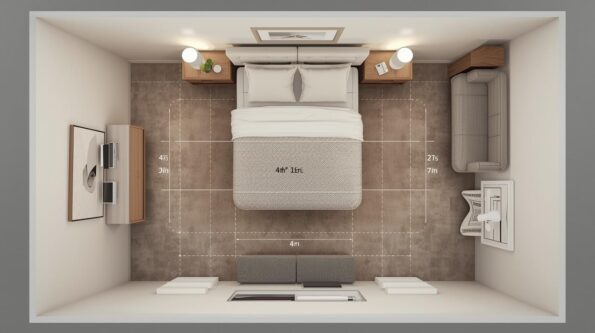
Understanding standard furniture dimensions provides the foundation for planning your bedroom layout and making informed purchase decisions. While custom furniture can be made to any specification, most bedroom furniture follows industry-standard sizing that balances functionality with manufacturing efficiency. Familiarizing yourself with these standards helps you quickly assess whether furniture pieces will work in your space and how different items relate proportionally to one another.
Bed sizes follow internationally recognized standards, though slight variations exist between regions. In the UAE market, you’ll typically encounter these bed dimensions: Single beds measure 90 x 190 cm, providing adequate sleeping space for one person—children, teenagers, or adults in guest rooms. Twin beds share these dimensions but typically refer to two single beds placed in the same room. Double beds at 135 x 190 cm offer more space than singles but feel tight for couples accustomed to larger sleeping areas. Queen beds, at 150 x 200 cm, represent the minimum most couples find comfortable for shared sleeping, providing reasonable space without overwhelming medium-sized bedrooms.
King beds measure 180 x 200 cm, offering generous sleeping space that most couples find luxurious. This size works well in master bedrooms of 15 square meters or larger, providing comfort without dominating moderately sized rooms. Super King beds at 200 x 200 cm deliver maximum sleeping space, creating hotel-suite luxury in spacious villa bedrooms. When considering bed sizes, remember that these dimensions represent mattress measurements—actual bed frames extend beyond these by 5-10 cm on all sides, depending on design. Upholstered beds typically add more dimension than simple wooden frames, a consideration when planning tight spaces.
Wardrobe dimensions vary more widely than beds, as these pieces serve diverse storage needs and must fit various room configurations. Single-door wardrobes typically measure 80-100 cm wide, 55-60 cm deep, and 180-200 cm tall. These compact pieces suit children’s rooms or serve as supplementary storage in bedrooms with built-in closets. Two-door wardrobes range from 100-130 cm wide, providing standard storage capacity appropriate for one person’s wardrobe. Three-door wardrobes span 150-180 cm wide, while four-door options reach 200-240 cm—these larger pieces serve couples or provide comprehensive storage in bedrooms without closets. Wardrobe depth remains fairly consistent at 55-60 cm to accommodate standard clothing hangers, though some slimmer designs compress to 45-50 cm for space-constrained rooms.
Dresser and chest dimensions balance storage capacity with practical room fit. Standard horizontal dressers typically measure 100-180 cm wide, 40-50 cm deep, and 75-90 cm tall. The relatively shallow depth allows dressers to fit against walls without protruding excessively into room space, while the low height positions tops at convenient heights for styling with lamps and decorative objects. Tall chests range from 70-100 cm wide but rise to 100-140 cm height, maximizing vertical space rather than horizontal. Their narrower footprint makes them ideal for positioning in corners or alcoves where wider dressers wouldn’t fit.
Nightstand dimensions should relate proportionally to bed height for optimal functionality. Most nightstands measure 40-60 cm wide, 35-45 cm deep, and 50-70 cm tall. The key measurement is height—nightstand tops should align roughly with or sit slightly below mattress top height, creating comfortable reach from lying or sitting positions. In UAE homes where bed frames vary from low platform styles to tall storage beds, selecting appropriately sized nightstands ensures ergonomic comfort. Nightstands that are too low feel awkward to reach; those too tall look visually unbalanced and may interfere with getting in and out of bed comfortably.
Vanity tables typically measure 90-130 cm wide, 40-50 cm deep, and 75-80 cm tall—dimensions that create comfortable seated work height with standard chairs or stools. The tabletop depth must accommodate products and mirrors while not protruding excessively into room space. End-of-bed benches range from 100-160 cm length (matching bed width or slightly narrower) and sit at 40-45 cm height—low enough to not obstruct bed views but tall enough for comfortable seating. Accent chairs vary widely by style but typically occupy 70-90 cm width when including arm space.
Bedroom Furniture Size Guide
| Furniture Piece | Standard Size (cm) | Small Room Size | Large Room Size | Clearance Needed |
|---|---|---|---|---|
| Single Bed | 90 x 190 | Ideal for rooms 9-12 sqm | Can work in any size | 70cm sides, 90cm foot |
| Double Bed | 135 x 190 | Suitable for 12-15 sqm | Works in any size | 70cm sides, 90cm foot |
| Queen Bed | 150 x 200 | Best for 15-18 sqm | Works in any size | 80cm sides, 100cm foot |
| King Bed | 180 x 200 | Ideal for 18-25 sqm | Comfortable in 20+ sqm | 90cm sides, 100cm foot |
| Super King Bed | 200 x 200 | Requires 22+ sqm | Best in 28+ sqm | 100cm sides, 120cm foot |
| Single Wardrobe | 80-100 W x 180-200 H | Perfect for small spaces | Can be used for extra storage | 80cm door clearance |
| 2-Door Wardrobe | 100-130 W x 180-200 H | Fits 12+ sqm bedrooms | Suitable for any size | 80cm door clearance |
| 3-Door Wardrobe | 150-180 W x 180-200 H | Needs 15+ sqm | Comfortable in large rooms | 90cm door clearance |
| 4-Door Wardrobe | 200-240 W x 180-220 H | Requires 20+ sqm | Ideal for 25+ sqm | 100cm door clearance |
| Standard Dresser | 100-180 W x 75-90 H | 120cm width max | 150-180cm width | 90cm front clearance |
| Tall Chest | 70-100 W x 100-140 H | Ideal for tight spaces | Works anywhere | 80cm front clearance |
| Nightstands (pair) | 40-60 W x 50-70 H | 40-50cm width | 50-60cm width | 60cm walkway between |
| Vanity Table | 90-130 W x 75-80 H | 90-100cm width | 110-130cm width | 80cm chair clearance |
| End-of-bed Bench | 100-160 L x 40-45 H | Match bed width -20cm | Match or exceed bed width | 80cm foot clearance |
| Accent Chair | 70-90 W (with arms) | Choose armless styles | Full-size chairs work | 80cm walkway access |
Note: All measurements in centimeters (cm). “W” = Width, “H” = Height, “L” = Length. Room size recommendations are approximate and depend on overall furniture quantity and layout. Clearance measurements represent minimum comfortable spacing for movement and furniture use.
Bedroom Furniture for Small Apartments in Dubai
Dubai’s compact apartments—particularly in areas like Dubai Marina, JBR, Business Bay, and Downtown—present unique furniture sizing challenges. These bedrooms typically range from 9-13 square meters, requiring strategic furniture selection and placement to create functional, comfortable spaces without overwhelming limited square footage. The key to successfully furnishing small bedrooms lies in prioritizing essential pieces, selecting appropriately scaled items, and employing space-saving strategies that maximize every centimeter.
Start with the bed—your room’s most essential and typically largest piece. In small bedrooms, queen beds (150 x 200 cm) represent the maximum size most couples should consider, while singles or doubles make more sense for individual occupants. Platform beds with low profiles create visual spaciousness by maintaining sightlines across rooms rather than blocking views with tall headboards and footboards. Consider storage beds that incorporate drawers or hydraulic-lift mechanisms, eliminating the need for separate storage furniture and thereby freeing valuable floor space. In a 10-square-meter bedroom, a queen storage bed can provide equivalent storage to a small dresser while occupying only the necessary sleeping footprint.
Wardrobe selection in small Dubai apartments requires careful assessment of actual storage needs versus available space. If your apartment includes built-in closets, you might not need freestanding wardrobes at all, freeing space for other furniture. If wardrobes are necessary, consider tall, narrow designs rather than wide pieces—a two-door wardrobe at 100 cm width provides substantial storage while occupying less wall length than wider alternatives. Sliding-door wardrobes eliminate door-swing clearance requirements, effectively saving 80-100 cm of floor space that hinged-door wardrobes would claim. Corner wardrobes, though less common, make excellent use of spaces often wasted in small rectangular bedrooms.
Dresser needs in small apartments might be met through multi-functional furniture rather than traditional pieces. A tall chest occupying just 70-80 cm of wall width provides substantial drawer storage while leaving wall space for other items. Alternatively, consider whether wardrobe drawer compartments could handle all your folded clothing, eliminating dresser needs entirely. Some platform beds include integrated side drawers that function as nightstands and dresser storage combined—these innovative designs maximize space efficiency while reducing furniture quantity and associated visual clutter.
Nightstand selection requires particular attention to scale in compact bedrooms. Standard nightstands at 50-60 cm width might overwhelm narrow spaces beside beds in small rooms. Consider slimmer alternatives at 35-40 cm width, or explore wall-mounted floating shelves that provide surface space without floor footprint. Small nesting tables or even simple stools can serve nightstand functions while offering flexibility—they can be moved aside when not needed or brought into service elsewhere. In the tightest spaces, forgo traditional nightstands entirely and mount wall-mounted reading lights with small shelves for essential items like phones and glasses.
Space-Saving Tips for Compact Dubai Bedrooms:
- Choose furniture with exposed legs rather than floor-to-ceiling designs—visible floor creates illusion of more space
- Select beds without footboards to avoid cutting room visually in half
- Use mirrors strategically on wardrobe doors or walls to double visual space
- Opt for sliding doors on wardrobes and room entries where possible
- Consider Murphy beds or wall beds if bedroom serves multiple purposes
- Mount wall shelving for books and decor rather than floor-standing bookcases
- Choose light-colored furniture to reflect light and create airiness
- Limit furniture to absolute essentials—bed, minimal storage, nightstands
- Use vertical space fully with tall rather than wide storage pieces
- Keep pathways clear with minimum 70cm walkways around furniture
- Position bed against longest wall to maximize remaining space
- Consider headboards with built-in nightstand shelves to consolidate furniture
- Use under-bed storage containers for seasonal items
- Choose furniture with built-in storage (ottoman with hidden compartment, storage benches)
- Avoid heavy, dark furniture that makes small rooms feel smaller
Furniture Sizing for Spacious Villa Bedrooms
Spacious villa bedrooms—particularly master suites of 25 square meters or larger—present opposite challenges from compact apartments. Here, the risk isn’t overcrowding but rather under-furnishing, resulting in rooms that feel empty, unwelcoming, or poorly proportioned. Large bedrooms require furniture with sufficient presence to anchor spaces visually while creating defined functional zones within the generous square footage. Understanding how to scale furniture appropriately for large rooms ensures these spaces feel intentionally designed rather than accidentally under-furnished.
Begin with bed selection that makes appropriate statements in spacious rooms. King beds (180 x 200 cm) represent minimum sizes for large master bedrooms, while Super King beds (200 x 200 cm) create the luxury presence befitting substantial spaces. In rooms of 30 square meters or more, even Super King beds can appear lost without proper positioning and accompanying furniture. Consider upholstered beds with tall, substantial headboards—perhaps 130-150 cm height—that create vertical interest and architectural presence. Four-poster or canopy beds, while visually dramatic, work beautifully in high-ceilinged villa bedrooms, adding structural definition without overwhelming when ceiling heights accommodate them.
Wardrobe and storage furniture in large bedrooms can be sized generously without space concerns. Four-door wardrobes spanning 200-240 cm provide symmetrical visual weight appropriate to room scale while offering storage capacity that reduces reliance on walk-in closets—though many villa master bedrooms include both. Consider positioning substantial wardrobes on walls opposite beds, creating visual balance and establishing clear room zones. In exceptionally large bedrooms, freestanding wardrobes might be supplemented with additional storage pieces—a tall chest in one corner, an armoire opposite—creating furniture groupings rather than isolated pieces that emphasize emptiness.
Large bedrooms benefit from creating multiple functional zones through furniture arrangement. Beyond the obvious sleeping zone centered on the bed, consider establishing sitting areas with accent chairs, a small sofa, or a chaise lounge accompanied by a side table and floor lamp. This seating zone transforms the bedroom from purely sleeping space into a personal retreat where you can read, relax, or enjoy morning coffee. Vanity areas in large rooms can expand beyond single tables to include full dressing zones with multiple mirrors, adequate storage for cosmetics and accessories, and comfortable seating. Even small workspace zones—a writing desk with chair—can be incorporated without encroaching on the room’s primary sleeping function.
End-of-bed furniture becomes particularly important in large bedrooms, providing visual completion and functional utility. Substantial benches spanning the full bed width or even extending slightly beyond create horizontal lines that balance the bed’s verticality. In exceptionally spacious rooms, consider positioning a loveseat or small sofa at the foot of the bed, creating a distinct sitting area that faces toward windows or architectural features rather than toward the television. This arrangement works beautifully in villa bedrooms where square footage permits genuine furniture groupings rather than simply individual pieces placed around perimeters.
Nightstands in large bedrooms can be sized generously without concern for overwhelming space. Consider substantial pieces at 55-60 cm width rather than minimal options, providing ample surface area for table lamps, books, decorative objects, and personal items. In rooms with very high beds—perhaps storage beds or platform beds with substantial height—don’t hesitate to select taller nightstands that maintain proper proportional relationships. Some large bedrooms accommodate nightstands with multiple drawers or cabinet storage, essentially functioning as small dressers flanking the bed—an arrangement that works beautifully when wardrobe storage alone proves insufficient.
Scale and Proportion: Creating Visual Balance
Understanding scale and proportion transcends knowing specific measurements and requires developing an eye for how furniture pieces relate to each other and to architectural space. Well-proportioned bedrooms feel harmonious and comfortable, with furniture appropriately sized both individually and collectively. Poorly proportioned rooms feel “off”—perhaps with one oversized piece dominating or multiple small pieces creating visual clutter—even when technically everything fits. Developing proportion sense helps you create bedrooms that look professionally designed rather than accidentally furnished.
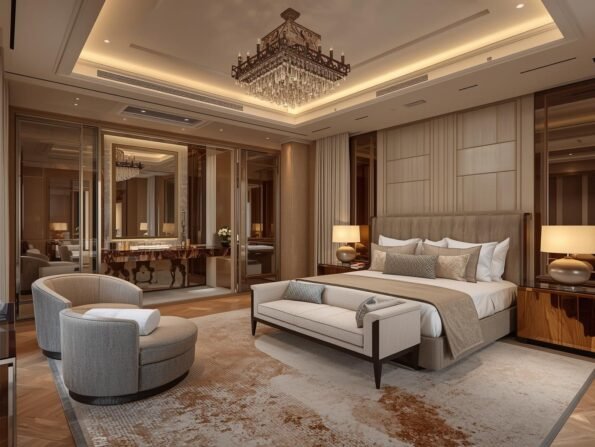
The relationship between bed size and room dimensions forms the foundation of bedroom proportion. A king bed in a 12-square-meter room overwhelms the space, leaving insufficient clearance for comfortable movement and making other furniture placement nearly impossible. Conversely, a double bed in a 30-square-meter villa bedroom appears lost, failing to anchor the space or create the visual weight necessary in large rooms. As general guidance, beds should occupy roughly 35-40% of bedroom floor space—enough to establish dominance as the room’s primary element without preventing other furniture placement or comfortable circulation.
Furniture height relationships significantly impact visual balance. Nightstands, as mentioned, should align roughly with mattress height, but this principle extends to other pieces. Dressers and chests should vary in height from each other and from beds, creating visual interest through variation rather than monotonous repetition. In bedrooms with all furniture at similar heights, the eye finds nothing to rest on—no hierarchy or focal points. Ideally, include one or two taller pieces (perhaps a tall chest or armoire) that draw eyes upward, several medium-height items (standard dressers, beds with moderate headboards), and some lower elements (benches, low nightstands) that provide visual anchoring.
Furniture style consistency affects perceived proportion even when actual dimensions are appropriate. Mixing a delicate, spindly-legged nightstand with a massive, heavy bed creates proportion discord—not because measurements are wrong but because visual weights don’t balance. Similarly, pairing ornate traditional furniture with starkly minimal pieces creates unsettling contrast rather than intentional eclecticism. This doesn’t mean all furniture must match exactly, but pieces should relate through shared design language—similar leg styles, comparable levels of ornamentation, cohesive material palettes—that creates visual conversation rather than contradiction.
The relationship between furniture mass and wall space deserves consideration. Large, blank walls make rooms feel incomplete and emphasize emptiness; walls completely covered with furniture feel claustrophobic and overwhelming. Aim for balance—perhaps 50-60% of wall space occupied by furniture, leaving 40-50% visible to maintain breathing room and display architectural features. In practice, this might mean positioning a bed on one wall, a wardrobe on another, and leaving a third wall largely open except for perhaps artwork or a window. This distribution creates visual rhythm that guides eyes around rooms while preventing either overwhelming clutter or stark emptiness.
Step-by-Step Room Measurement Process:
- Sketch your room to scale – Create a simple floor plan on graph paper, with each square representing 10-20cm
- Measure and mark all walls – Record exact length of each wall from corner to corner
- Note ceiling height – Especially important for tall furniture like wardrobes and four-poster beds
- Mark door locations and swing directions – Include closet doors, bathroom doors, and entry doors
- Indicate window positions and sizes – Note sill height and how far windows extend along walls
- Identify fixed elements – Mark AC units, radiators, electrical outlets, wall-mounted fixtures
- Measure existing furniture – If keeping any pieces, record their dimensions for integration
- Calculate usable floor space – Subtract areas occupied by door swings and permanent fixtures
- Plan traffic flow paths – Draw routes from door to bed, bed to bathroom, bed to closet
- Create furniture templates – Cut paper rectangles to scale representing furniture you’re considering, allowing physical arrangement testing on your floor plan
Diagram Description 1: Small Bedroom Layout (12 sqm)
- Queen bed (150x200cm) positioned against longest wall, centered
- Two compact nightstands (40x40cm each) flanking bed
- Single 2-door wardrobe (120x55cm) on wall perpendicular to bed
- 70cm clearance maintained on both bed sides
- 90cm clearance at foot of bed allowing comfortable movement
- Door swing doesn’t interfere with furniture placement
- Window opposite bed allows natural light without glare on sleepers
Diagram Description 2: Medium Bedroom Layout (18 sqm)
- King bed (180x200cm) as focal point on main wall
- Standard nightstands (50x40cm) on both sides with table lamps
- 6-drawer dresser (140x45cm) opposite bed with wall mirror above
- 2-door wardrobe (120x60cm) in corner near entrance
- End-of-bed bench (140x40cm) for seating and storage
- 80-90cm clearances maintained throughout
- Distinct zones: sleeping area (bed), dressing area (dresser/mirror), storage zone (wardrobe)
Diagram Description 3: Large Master Bedroom Layout (28 sqm)
- Super King bed (200x200cm) centered on main wall
- Substantial nightstands (60x45cm) with ample surface space
- Sitting area in corner with two accent chairs and side table
- Full vanity station along window wall with natural light
- 3-door wardrobe (170x60cm) plus tall chest (90x45cm) for storage
- End-of-bed loveseat (160x70cm) creating sitting zone
- 100cm+ clearances creating spacious, luxurious feel
- Multiple functional zones: sleeping, sitting, dressing, storage
Best Materials for Bedroom Furniture in UAE Climate
Material selection for bedroom furniture takes on heightened importance in the UAE’s unique climate conditions. The combination of intense heat, occasional high humidity (particularly in coastal areas like Dubai and Abu Dhabi), sudden temperature fluctuations from air conditioning, and persistent dust creates challenging conditions that not all furniture materials handle equally well.
Understanding how different materials perform in UAE environmental conditions helps you make informed choices that ensure your bedroom furniture maintains its beauty, structural integrity, and functionality for years to come. The right material selection represents an investment in longevity, while poor choices can result in warping, cracking, fading, or deterioration that necessitates premature replacement. This section explores the most common bedroom furniture materials, evaluating each through the lens of UAE-specific climate considerations.
Solid Wood: Durability Meets Elegance
Solid wood remains the gold standard for bedroom furniture, prized for its natural beauty, substantial feel, and potential longevity when properly selected and maintained. In UAE homes, solid wood furniture communicates quality and permanence, making it a popular choice for master bedroom pieces intended as long-term investments. However, not all wood species perform equally in the region’s climate, and understanding these differences helps you select solid wood furniture that will thrive rather than merely survive in UAE conditions.
Hardwoods generally outperform softwoods in furniture applications, offering superior durability and resistance to wear. Oak stands as one of the most popular hardwood choices for bedroom furniture globally and performs admirably in UAE conditions. Its tight grain structure resists moisture absorption reasonably well, while its natural strength withstands daily use without excessive wear. Oak furniture develops beautiful patina over time, with its grain becoming more pronounced and character deepening—qualities appreciated by homeowners who view furniture as improving with age rather than merely aging. Both white oak and red oak varieties appear in UAE furniture markets, with white oak offering slightly better moisture resistance due to its denser cellular structure.
Walnut represents another excellent hardwood choice, particularly favored in luxury bedroom furniture for its rich, dark coloring and sophisticated appearance. Walnut’s natural oils provide some inherent moisture resistance, and its stable nature means it experiences minimal expansion and contraction with humidity fluctuations—crucial in UAE homes where dramatic temperature and humidity shifts occur when moving between air-conditioned interiors and outdoor conditions. The wood’s chocolate-brown tones deepen beautifully over time, and unlike some woods that lighten with sun exposure, walnut maintains its rich color reasonably well. These qualities make walnut particularly suitable for statement pieces like beds and dressers in master bedrooms.
Teak deserves special mention as perhaps the single best wood species for UAE climate conditions. Originally from Southeast Asia, teak evolved in tropical climates with high heat and humidity, developing natural oils and rubber content that provide exceptional weather resistance. While typically associated with outdoor furniture, teak’s stability makes it outstanding for indoor bedroom furniture in challenging climates.
It experiences minimal warping, cracking, or splitting even with significant humidity fluctuations. Teak’s natural oils repel moisture and resist pest infestations that can affect other woods in humid conditions. The primary limitation is cost—teak commands premium prices that may exceed budget parameters for complete bedroom sets, though investing in a teak bed frame or wardrobe as a centerpiece piece proves worthwhile.
Mahogany offers traditional elegance with reasonable climate performance, though it requires more careful maintenance than some alternatives. This wood’s reddish-brown tones and fine grain create furniture of exceptional beauty, explaining its historical popularity in fine furniture making. Mahogany is moderately resistant to warping and has good dimensional stability, meaning it maintains its shape reasonably well through humidity changes. However, mahogany is somewhat softer than oak or walnut, making it more susceptible to scratches and dents—a consideration in homes with young children or in frequently used furniture. In UAE conditions, mahogany furniture benefits from regular conditioning with appropriate wood oils to maintain moisture content and prevent drying that can lead to cracking.
The finish applied to solid wood furniture significantly impacts its performance in UAE climate. Look for furniture with multiple coats of protective finish—whether polyurethane, lacquer, or oil-based treatments—that seal wood surfaces from environmental exposure. Quality finishes prevent moisture penetration that can cause swelling, warping, or finish separation. In the UAE’s dusty environment, smooth, well-sealed finishes also prove easier to clean and maintain. Avoid furniture with thin or uneven finish application, as compromised protective layers allow environmental factors to affect underlying wood, accelerating deterioration.
Solid Wood Advantages in UAE Climate:
- Natural beauty with unique grain patterns
- Substantial feel and quality perception
- Long lifespan when properly maintained (20-50+ years)
- Can be refinished and restored if damaged
- Develops character and patina over time
- Good dimensional stability in quality hardwoods
- Natural insulating properties moderate temperature
- Premium resale value compared to alternatives
Solid Wood Considerations:
- Higher initial cost than engineered alternatives
- Requires regular maintenance (conditioning, cleaning)
- Can be affected by extreme humidity fluctuations
- Heavier weight makes moving furniture challenging
- Susceptible to scratches and dents (varies by species)
- May require professional repair if seriously damaged
- Natural variations mean pieces won’t match perfectly
- Some species more vulnerable to pest issues in humid conditions
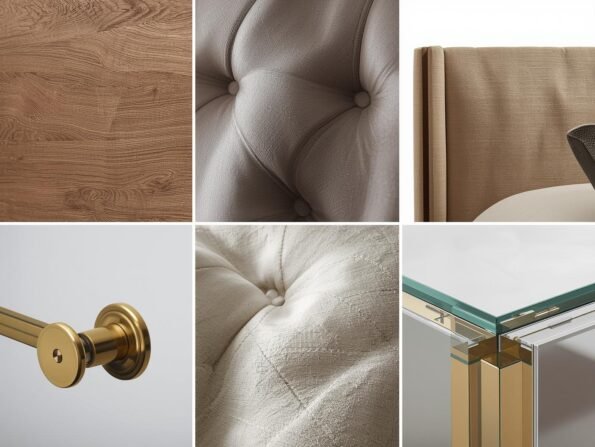
Engineered Wood and MDF Options
Engineered wood products—including plywood, particleboard, and Medium Density Fiberboard (MDF)—provide budget-friendly alternatives to solid wood while offering certain performance advantages in UAE conditions. These materials are manufactured from wood fibers, chips, or veneers bonded with adhesives under heat and pressure, creating uniform materials that resist warping and maintain consistent dimensions better than solid wood. Understanding the distinctions between engineered wood types helps you make informed value decisions that balance budget constraints with quality expectations.
High-quality plywood consists of thin wood veneer layers laminated with grain directions alternating between layers, creating exceptional strength and stability. Furniture-grade plywood—typically designated as cabinet-grade or A-grade—uses attractive face veneers that can be stained or finished to beautiful effect. Plywood’s cross-grain construction resists expansion and contraction in any single direction, making it highly stable through humidity changes. In UAE conditions, quality plywood furniture performs admirably, maintaining structural integrity and appearance through years of use. Many custom furniture makers in the UAE prefer plywood for cabinet construction, drawer boxes, and wardrobe interiors, reserving solid wood for visible face frames and doors where natural grain is most appreciated.
MDF (Medium Density Fiberboard) has gained popularity in affordable bedroom furniture manufacturing, offering smooth surfaces ideal for painted finishes. MDF consists of wood fibers bonded with resin under intense pressure, creating a dense, uniform material without grain or knots. Its smoothness makes it excellent for achieving flawless painted finishes that showcase vibrant colors or crisp whites popular in contemporary bedroom designs. In UAE conditions, MDF performs reasonably well in climate-controlled environments but proves vulnerable to moisture exposure. If MDF furniture gets wet—whether from spills, cleaning, or humidity—it can swell irreversibly, compromising structural integrity. For this reason, MDF furniture works best in well-maintained, air-conditioned UAE homes where humidity control is consistent.
Particleboard represents the most economical engineered wood option, manufactured from wood chips and particles bonded with adhesive. While particleboard serves adequately in low-stress applications and budget furniture, it’s the least durable option and most vulnerable to damage in UAE conditions. Particleboard is heavier than its strength suggests, making it feel substantial initially, but this weight comes from density rather than structural integrity. It doesn’t hold screws or hardware as securely as plywood or solid wood, meaning connections can loosen over time with use. In humid conditions, particleboard swells and weakens more readily than alternatives. If budget constraints necessitate particleboard furniture, limit it to secondary pieces—perhaps nightstands or simple dressers—rather than primary investments like beds or substantial wardrobes.
The quality of engineered wood furniture depends heavily on veneers and finishes applied to core materials. Furniture using real wood veneers over plywood or MDF cores can appear virtually indistinguishable from solid wood while offering improved stability. Look for furniture with veneers at least 1-2mm thick—thicker veneers withstand minor damage better and can potentially be refinished if needed. Laminate finishes, while not as prestigious as real wood veneers, provide excellent durability and maintenance ease in UAE conditions. Modern laminates convincingly replicate wood grain appearance while resisting moisture, scratches, and staining better than actual wood. For high-use items like children’s bedroom furniture, laminate surfaces often prove more practical than real wood.
When considering engineered wood furniture for UAE bedrooms, prioritize pieces manufactured with sealed edges and comprehensive finish coverage. Exposed particleboard or MDF edges can absorb moisture from air, causing swelling and finish failure. Quality manufacturers seal all edges—even those normally hidden from view—preventing moisture infiltration. Check furniture undersides, backs, and interior surfaces for finish application; comprehensive coverage indicates attention to quality that translates to better performance. In the UAE market, imported furniture from quality European manufacturers often demonstrates superior edge treatment and finish application compared to budget alternatives.
Metal and Upholstered Furniture
Metal bedroom furniture—whether iron, steel, brass, or aluminum—offers distinctive aesthetics ranging from industrial chic to ornate traditional, while providing excellent durability in UAE climate conditions. Metal’s imperviousness to humidity, resistance to pest damage, and structural strength make it an outstanding choice for bed frames, nightstands, and accent furniture. However, metal furniture requires consideration of thermal properties, finish quality, and aesthetic compatibility with broader bedroom design.
Iron and steel bed frames, whether simple industrial styles or elaborate designs with scrollwork and decorative elements, provide exceptional structural support with minimal material bulk. Metal beds handle the considerable weight of mattresses and occupants without sagging or weakening over time—common issues with lower-quality wooden frames. In UAE conditions, metal frames resist humidity effects entirely and won’t warp, crack, or split regardless of climate fluctuations. The primary maintenance consideration is finish quality; powder-coated or professionally painted metal resists rust and corrosion, but chips or scratches that expose bare metal can corrode in humid environments. Quality metal furniture uses comprehensive coating processes that provide durable protection.
Brass furniture and brass-finished pieces add warmth and luxury to bedroom environments, complementing both traditional and glamorous design styles popular in UAE homes. True brass develops patina over time—a characteristic some owners appreciate for its living quality, though others prefer maintaining bright, polished appearance through regular care. Brass-plated furniture offers similar aesthetics at lower cost but requires more careful maintenance, as plating can wear through to base metal with use. In the UAE’s climate, brass resists corrosion well when properly maintained, making it suitable for decorative hardware, bed posts, and accent furniture pieces.
Aluminum furniture, while less common in bedrooms than in outdoor settings, offers lightweight alternatives with excellent corrosion resistance. Brushed or anodized aluminum provides contemporary aesthetic suitable for modern bedroom designs, and its thermal properties mean it doesn’t retain heat the way iron or brass can—relevant in UAE homes where AC cooling is constant but temperatures fluctuate. Aluminum’s lighter weight compared to iron or steel makes furniture easier to reposition, though it may feel less substantial than heavier metal alternatives.
Upholstered bedroom furniture—particularly beds, benches, and seating—combines fabric or leather covering with interior structural framing and padding. The upholstery material selection significantly impacts both aesthetics and practical performance in UAE conditions. Linen, cotton, and performance fabrics designed for durability work well in climate-controlled bedrooms, offering breathability and comfort. Velvet, while luxurious and popular in UAE bedroom design, requires careful maintenance to prevent crushing and matting. In humid coastal conditions, velvet can absorb moisture, potentially developing musty odors if not properly cared for—regular use of dehumidifiers in bedrooms helps prevent this issue.
Leather upholstery on bedroom furniture provides timeless elegance with excellent durability and relatively easy maintenance. Quality leather develops beautiful patina over years, becoming more attractive with age when properly cared for. However, leather has thermal properties worth considering in UAE conditions—it can feel warm in rooms where air conditioning isn’t constantly running, and in very dry air-conditioned environments, leather may dry out and crack without regular conditioning. If selecting leather upholstered bedroom furniture, commit to regular conditioning treatments (every 6-12 months) using quality leather care products that replenish moisture and protect against drying.
Glass and Mirror Accents
Glass and mirrored furniture elements add light-reflective qualities, visual spaciousness, and contemporary elegance to bedroom designs. These materials work particularly well in UAE homes, where maximizing light reflection helps counteract the dark window treatments often used to control heat and sun exposure. Glass-topped dressers, mirrored nightstands, and wardrobe doors with mirror panels all contribute to brighter, more spacious-feeling bedrooms while requiring minimal maintenance in practice.
Tempered safety glass—heat-treated to increase strength and alter break patterns—should be standard in bedroom furniture rather than standard annealed glass. Tempered glass is 4-5 times stronger than regular glass and, if broken, fractures into small granular chunks rather than sharp shards, reducing injury risk. In homes with children, tempered glass furniture provides important safety advantages. Quality furniture manufacturers specify tempered glass use; verify this detail before purchasing glass-topped or glass-fronted pieces. Glass thickness also matters—furniture glass should be at least 6-8mm thick for adequate strength, with 10mm preferred for larger surfaces like dresser tops that support substantial weight.
Mirrored furniture surfaces create glamorous, light-filled effects popular in luxury UAE bedrooms, particularly those styled in Hollywood Regency or contemporary glam aesthetics. Entire dressers, nightstands, or wardrobes covered in beveled mirror panels reflect both natural and artificial light throughout rooms, making them feel larger and brighter. However, mirrored furniture demands significantly more maintenance than solid alternatives—fingerprints, dust, and water spots show prominently on mirror surfaces, requiring frequent cleaning to maintain pristine appearance. In Dubai’s dusty environment, daily or every-other-day cleaning may be necessary to keep mirrored furniture looking its best. For busy households or those without regular cleaning help, consider limiting mirrored furniture to accent pieces rather than primary items.
The backing quality of mirrored furniture significantly affects longevity in UAE climate. Mirrors consist of glass with reflective coating on the back; if moisture penetrates this backing, it deteriorates, causing dark spots or “silvering” loss where the mirror becomes transparent. Quality furniture uses sealed mirror edges and comprehensive backing protection that prevents moisture infiltration even in humid conditions. When examining mirrored furniture, inspect edges carefully—proper sealing should be evident, with no gaps where moisture could enter. Lower-quality mirrored furniture may look beautiful initially but deteriorate within 2-3 years in humid environments if backing protection is insufficient.
Glass shelving in wardrobes, display units, or bookcases offers light transmission advantages over wooden shelves, creating airier, less heavy appearance particularly valuable in already furniture-filled bedrooms. Tempered glass shelves safely support books, folded clothing, and decorative objects while maintaining visual transparency. In UAE conditions, glass proves easy to clean and maintain, resisting staining and odor absorption that can affect wooden shelving in humid conditions. However, glass shelves lack the warmth and texture of wood alternatives and may feel too clinical or cold in traditionally styled bedrooms. Consider mixing glass and wood shelving to balance practical and aesthetic considerations.
Climate Considerations for UAE Furniture Selection
The UAE’s specific climate characteristics create particular challenges that should influence material selection for bedroom furniture. Understanding these environmental factors and how different materials respond helps you choose furniture that will maintain beauty and function despite challenging conditions. While indoor climate control mitigates many issues, temperature and humidity fluctuations still occur, and material selection can mean the difference between furniture that thrives versus furniture that merely survives.
Heat and sun exposure affect furniture significantly in UAE homes, particularly pieces positioned near windows. Direct sunlight causes fading in wood finishes, fabrics, and even some stains or paints. Wood itself can dry out excessively in intense heat combined with dry air-conditioned environments, potentially leading to cracking—particularly along grain lines or at joints. When positioning bedroom furniture, avoid placing solid wood pieces directly in afternoon sun paths. If window proximity is unavoidable, use UV-filtering window films or treatments that block harmful rays while allowing light transmission. Dark-colored furniture generally shows fading more obviously than lighter pieces, making stain and finish color relevant considerations.
Humidity fluctuations present perhaps the most significant climate challenge in UAE coastal areas. Relative humidity can swing from very low levels in air-conditioned environments to quite high outdoors, and these fluctuations cause wood to expand (when humid) and contract (when dry). Repeated cycling eventually causes joint loosening, veneer separation, and structural weakening. Materials that resist these dimensional changes—solid teak, quality plywood, metal—perform better long-term than those more vulnerable to movement. If you’re in a particularly humid location (coastal apartments in Dubai Marina or JBR, for instance), prioritize moisture-resistant materials and ensure comprehensive finish sealing on wooden furniture.
Dust is an inescapable reality in desert environments, and furniture materials differ significantly in how they reveal and resist dust accumulation. Smooth, sealed surfaces—glass, lacquered wood, metal—wipe clean easily and don’t trap dust in texture or grain. Upholstered furniture, particularly pieces with nubby or textured fabrics, can accumulate dust that requires vacuuming rather than simple wiping. Carved wooden furniture with intricate details presents cleaning challenges, as dust settles into recesses requiring careful attention to remove. In Dubai’s dusty environment, considering cleaning requirements when selecting furniture materials proves practical, particularly for those without regular housekeeping assistance.
Air conditioning, while essential for comfort, creates its own furniture challenges. Constantly running AC dries indoor air significantly, which can cause wood to shrink and crack, leather to dry and stiffen, and even cause glue joints to fail in poorly constructed furniture. Maintaining reasonable humidity levels through AC settings or supplementary humidifiers helps mitigate these issues. Additionally, avoid positioning furniture directly beneath AC vents where concentrated cold air flow strikes surfaces, potentially causing temperature-related stress to materials. Wood furniture positioned under AC vents experiences particularly rapid temperature cycling that accelerates deterioration.
Bedroom Furniture Material Comparison Chart
| Material | Durability (1-5) | Climate Suitability | Maintenance Level | Price Range | Best For | UAE Performance Notes |
|---|---|---|---|---|---|---|
| Solid Oak | 5 | Excellent | Moderate | High | Beds, dressers, wardrobes | Very stable, resists humidity well, long-lasting |
| Solid Walnut | 5 | Excellent | Moderate | High | Statement pieces, luxury furniture | Natural oils provide moisture resistance |
| Solid Teak | 5 | Outstanding | Low | Very High | All furniture types | Best wood for UAE climate, minimal maintenance |
| Solid Mahogany | 4 | Good | Moderate-High | High | Traditional furniture, decorative pieces | Beautiful but requires conditioning |
| Quality Plywood | 4 | Very Good | Low | Medium | Wardrobe interiors, drawer boxes | Excellent stability, resists warping |
| MDF | 3 | Fair | Low | Low-Medium | Painted furniture, budget pieces | Good in controlled environments only |
| Particleboard | 2 | Poor | Low | Low | Budget furniture only | Vulnerable to humidity, limited lifespan |
| Iron/Steel Frames | 5 | Excellent | Low | Medium | Bed frames, industrial style | Rust-resistant when powder-coated |
| Brass/Bronze | 4 | Very Good | Moderate | High | Decorative elements, luxury pieces | Develops patina, needs polishing |
| Aluminum | 4 | Excellent | Low | Medium | Modern/contemporary pieces | Lightweight, corrosion-resistant |
| Leather Upholstery | 4 | Good | Moderate | High | Headboards, seating | Requires conditioning in dry AC air |
| Fabric Upholstery | 3 | Fair-Good | Moderate-High | Medium-High | Beds, benches, chairs | Performance fabrics best for UAE |
| Velvet Upholstery | 3 | Fair | High | High | Luxury headboards, glamorous style | Requires regular care, vacuum frequently |
| Tempered Glass | 4 | Excellent | Moderate | Medium | Tops, shelving, decorative elements | Shows dust, needs frequent cleaning |
| Mirror Panels | 3 | Good | High | Medium-High | Glamorous furniture, wardrobes | Beautiful but maintenance-intensive |
| Laminates | 4 | Very Good | Low | Low-Medium | Modern furniture, kids’ rooms | Excellent durability and easy care |
Rating Scale: 1 = Poor, 2 = Below Average, 3 = Average, 4 = Good, 5 = Excellent
Material Care Tips for UAE Climate:
Solid Wood:
- Condition with quality wood oil 2-3 times yearly to prevent drying
- Keep away from direct sunlight and AC vents
- Clean spills immediately to prevent water damage
- Use coasters and placemats to protect surfaces
- Maintain consistent indoor humidity (40-50% ideal)
- Dust regularly with microfiber cloths
- Avoid harsh chemical cleaners that damage finishes
Engineered Wood (MDF/Plywood):
- Wipe spills immediately—engineered wood swells if saturated
- Use slightly damp (not wet) cloths for cleaning
- Avoid excessive moisture exposure
- Check for and repair any edge or veneer damage promptly
- Keep in climate-controlled environments
Metal Furniture:
- Inspect powder coating for chips or scratches regularly
- Touch up damaged areas to prevent rust in humid conditions
- Clean with damp cloth and mild soap
- Dry thoroughly after cleaning
- Polish brass/bronze with appropriate metal cleaners
Upholstered Furniture:
- Vacuum weekly to remove dust accumulation
- Address spills immediately with appropriate cleaners
- Use fabric protector sprays for stain resistance
- Consider professional cleaning annually
- Rotate cushions to ensure even wear
- Keep away from direct sunlight to prevent fading
Glass and Mirror:
- Clean with quality glass cleaner and microfiber cloths
- Buff to prevent streaking in harsh light
- Check edge sealing on mirrors periodically
- Use coasters to prevent water rings on glass tops
- Clean daily or every-other-day in dusty conditions
Leather:
- Condition every 6-12 months with quality leather conditioner
- Clean with leather-specific cleaners only
- Avoid positioning in direct sunlight
- Keep away from heat sources and AC vents
- Wipe spills immediately with soft cloth
- Use humidity control to prevent excessive drying
Complete Bedroom Sets vs Individual Pieces: What’s Right for You?
One of the first strategic decisions when furnishing a bedroom involves choosing between purchasing a coordinated bedroom set or selecting individual furniture pieces separately. This choice significantly impacts your budget, timeline, design cohesion, and overall satisfaction with the final result. In the UAE furniture market, both options are readily available, with showrooms showcasing beautifully coordinated sets alongside individual statement pieces. Understanding the advantages and limitations of each approach helps you make decisions aligned with your priorities, whether those emphasize convenience, budget consciousness, design flexibility, or aesthetic uniqueness. Neither approach is inherently superior—the right choice depends on your specific circumstances, design vision, and how you balance competing priorities like cost, convenience, and creative expression.
Advantages of Buying Complete Bedroom Sets
Complete bedroom sets—typically including a bed frame, two nightstands, a dresser, and sometimes additional pieces like chests or mirrors—offer compelling advantages that make them popular choices, particularly among UAE residents furnishing new homes or completely refreshing existing bedrooms. The primary benefit is coordination certainty; every piece in a set is designed to complement the others through shared materials, finishes, hardware, and design language. This built-in harmony eliminates the anxiety of wondering whether separate purchases will work together aesthetically, a concern many homeowners experience when selecting furniture from different sources.
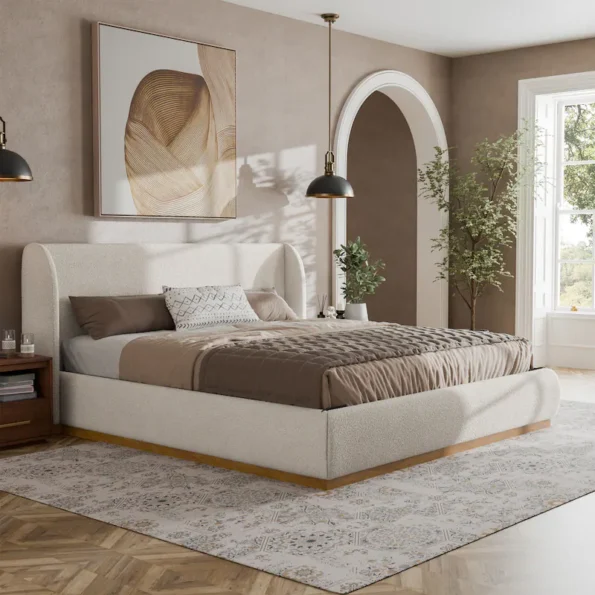


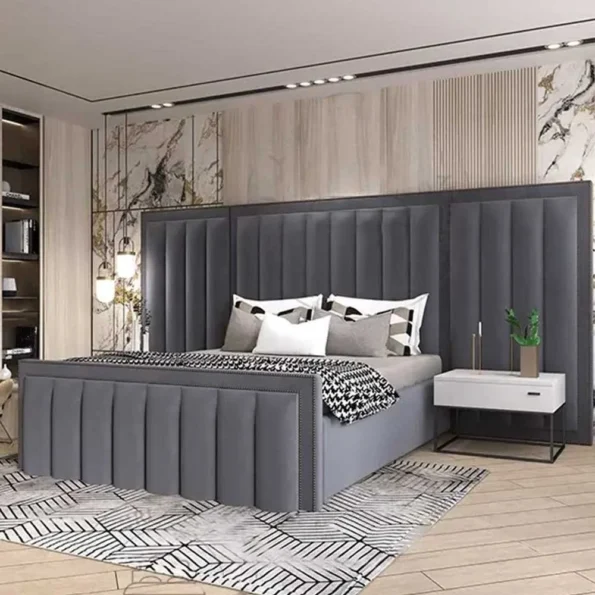
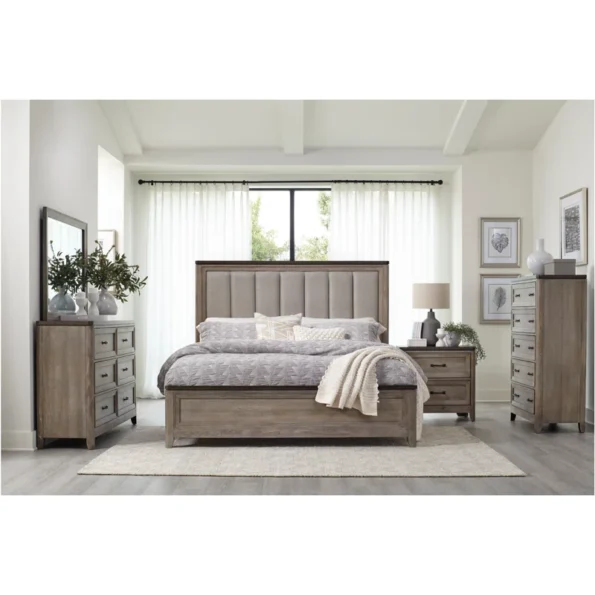


Time efficiency represents another significant set advantage. Rather than visiting multiple showrooms, comparing countless individual pieces, and making numerous separate decisions, purchasing a set allows you to furnish an entire bedroom with essentially one decision. For busy UAE residents juggling work responsibilities, family commitments, and the general demands of modern life, this streamlined approach proves enormously appealing. You can complete bedroom furnishing in a single shopping trip rather than the extended process individual piece selection often requires. This efficiency particularly benefits those working with tight timelines—perhaps furnishing a new home before an upcoming move-in date or preparing a guest bedroom for visiting family.
Cost advantages often accompany bedroom sets, as furniture retailers typically price complete sets at less than the sum of individual piece costs. This bundling discount can amount to 10-20% savings compared to purchasing the same pieces separately, making sets attractive to budget-conscious shoppers. In the competitive UAE furniture market, many retailers offer additional incentives for set purchases—free delivery, complimentary assembly, or extended warranties—that provide further value. For homeowners allocating fixed budgets to bedroom furnishing, these savings allow budget reallocation to other needs, perhaps upgrading mattress quality, investing in premium bedding, or purchasing artwork and accessories.
Design cohesion achieved through sets creates professionally finished appearances that many homeowners find difficult to replicate when selecting pieces individually. Everything matches—wood tones, hardware finishes, proportions, style details—creating visual harmony that makes bedrooms feel intentionally designed rather than accidentally assembled. This cohesion particularly appeals to those who appreciate coordinated, put-together aesthetics but lack confidence in their ability to successfully mix and match furniture themselves. In UAE homes where guests often see master bedrooms during villa tours or social visits, the polished appearance of coordinated sets provides aesthetic confidence.
Bedroom sets simplify decision-making for those who find abundant choices overwhelming rather than exciting. Rather than evaluating hundreds of individual bed frames, dozens of dresser styles, and countless nightstand options, set buyers narrow choices to comparing complete collections—a much more manageable decision scope. This reduced complexity proves especially valuable for first-time furniture buyers unfamiliar with design principles or for anyone experiencing decision fatigue from other major life choices happening simultaneously. The furniture shopping process becomes less about making perfect individual selections and more about finding one collection that feels right overall.
When Complete Bedroom Sets Make the Most Sense:
- You’re furnishing a bedroom from scratch with no existing furniture to incorporate
- You have a defined budget and want predictable total costs
- You prefer coordinated, matching aesthetics over eclectic or collected looks
- Time constraints make efficient shopping important
- You lack confidence mixing different furniture styles and finishes
- You’re furnishing a guest bedroom or rental property where coordination matters more than personal expression
- You want to ensure adequate storage without over-thinking individual storage needs
- The bedroom is in a home where matching furniture is standard in other rooms
- You appreciate the streamlined shopping and delivery coordination of single-retailer purchases
- You’re working with interior designers who recommend coordinated looks for the space
Benefits of Mixing and Matching Individual Pieces
Selecting individual bedroom furniture pieces separately offers creative freedom and personalization opportunities that coordinated sets cannot match. This approach allows you to curate a bedroom that truly reflects your personal style, combining pieces from different manufacturers, eras, and price points to create unique environments with character and visual interest. In UAE homes where individual expression and distinctive style are valued, the mixing approach transforms bedrooms into personal statements rather than showroom reproductions.
Budget flexibility represents a significant individual-piece advantage, as you can allocate spending according to priorities rather than accepting the fixed investment a complete set requires. Perhaps you want to invest significantly in a statement bed that serves as your bedroom’s focal point while economizing on nightstands and dressers. Or maybe exceptional storage capacity matters most to you, justifying premium wardrobe investment while selecting more affordable bed frames. Individual selection lets you make these strategic trade-offs, ensuring your money goes toward features and pieces that matter most to your specific situation. This targeted spending often delivers greater value than sets where budget spreads equally across all pieces regardless of their importance to you.
The ability to incorporate existing furniture you already own and love provides another mixing advantage. Perhaps you have a beautiful antique dresser inherited from family that you want to keep, or maybe your current bed frame remains in excellent condition while other pieces need replacement. Purchasing individual items lets you refresh bedrooms incrementally without discarding functional furniture, an approach that’s both economical and environmentally responsible. In UAE expatriate communities where residents may move frequently, the flexibility to mix new purchases with existing pieces becomes particularly valuable, allowing bedroom aesthetics to evolve without requiring complete overhauls with each move.
Quality optimization becomes possible when selecting pieces individually, as you can choose different quality tiers for different furniture categories based on use intensity and importance. A bed frame experiencing daily stress for 8+ hours deserves quality investment, while nightstands serving as simple surface holders might not require premium construction. This strategic quality allocation—investing where it matters, economizing where it doesn’t—often delivers better overall value than sets where all pieces exist at the same quality level regardless of function. UAE furniture markets offer tremendous quality range at each price point, and individual selection lets you navigate these options strategically rather than accepting the single quality level a set provides.
Aesthetic evolution over time flows more naturally with mixed furniture than with complete sets. Purchasing individual pieces at different times—perhaps a bed this year, a dresser next year, nightstands later—allows your bedroom to develop organically as your taste evolves and your budget permits. This approach proves particularly suitable for young professionals whose style preferences are still crystallizing or for families whose bedroom needs change as children grow. Rather than committing to one complete aesthetic immediately, you can experiment with different pieces, replacing those that don’t work and keeping those that do, gradually developing a bedroom environment that truly reflects your evolved preferences.
Cost Comparison and Value Analysis
Understanding the financial implications of sets versus individual pieces requires looking beyond simple purchase price to consider total cost of ownership, value delivered, and opportunity costs of different approaches. While bedroom sets often provide lower initial purchase prices through bundling discounts, individual piece selection can deliver superior value when strategic purchasing and quality optimization are employed. Analyzing costs comprehensively helps you make financially sound decisions aligned with your circumstances.
Bedroom sets in the UAE market typically range from AED 3,000 for basic quality sets in apartment-appropriate scales to AED 25,000+ for luxury solid wood sets suitable for spacious villa master bedrooms. Mid-range quality sets with attractive aesthetics and reasonable durability typically fall in the AED 6,000-12,000 range. These prices generally include bed frame (without mattress), two nightstands, and a dresser or chest—the essential pieces most bedrooms require. Additional set pieces like mirrors, benches, or additional storage pieces add to base costs but usually remain discounted compared to separate purchases.
Individual piece purchasing allows more flexible budget allocation but requires careful planning to avoid overspending. A quality queen bed frame might cost AED 2,500-6,000 depending on materials and design complexity. Nightstands range from AED 400-1,500 each, while dressers span AED 2,000-5,000 based on size, construction, and finish quality. Totaling individual pieces at similar quality levels to bedroom sets often reveals 15-25% cost premiums for separate purchases—the bundling discount sets provide. However, this simple comparison overlooks the value of strategic optimization that individual selection enables.
Consider a strategic individual purchasing approach: investing AED 5,000 in an exceptional solid wood bed frame that will last 20+ years, AED 800 on simple but attractive nightstands adequate for holding lamps and phones, and AED 3,000 on a quality dresser with excellent storage. This AED 9,600 investment prioritizes the bed—your most essential and used piece—while economizing on supportive furniture. Compare this to an AED 8,000 bedroom set where all pieces exist at medium quality; you save initially but potentially sacrifice longevity in your most critical furniture piece. The strategic individual approach may deliver better long-term value despite higher upfront cost.
Resale value considerations also impact true cost analysis. Quality individual pieces, particularly statement beds or unique dressers from recognized manufacturers, often retain resale value better than complete sets. In UAE’s transient expatriate community where furniture resale is common, this residual value matters. A beautiful solid teak bed frame might sell for 40-50% of purchase price after 3-4 years, while set pieces typically achieve only 20-30% recovery. If you anticipate relocating or updating furniture within several years, factor potential resale into your decision-making.
Pros and Cons Comparison:
Complete Bedroom Sets – Pros:
- Guaranteed aesthetic coordination and matching finishes
- Bundled pricing typically 10-20% less than separate pieces
- Simplified shopping with single-source purchasing
- Coordinated delivery and assembly services
- Reduced decision-making stress and time investment
- Professional, polished appearance requiring no design skill
- Often includes delivery incentives and package warranties
Complete Bedroom Sets – Cons:
- All pieces exist at same quality level regardless of use intensity
- Fixed aesthetic with limited personalization opportunities
- Difficult to incorporate existing furniture you want to keep
- May include pieces you don’t need or want
- Less flexibility for budget allocation to priorities
- Can appear generic or showroom-like rather than personal
- Entire set must be replaced if style preferences change
Individual Pieces – Pros:
- Complete creative control over aesthetic and style mixing
- Strategic budget allocation emphasizing important pieces
- Ability to incorporate existing furniture you own
- Quality optimization by piece based on use intensity
- Gradual purchasing over time as budget permits
- Unique, personalized results reflecting individual taste
- Flexibility to upgrade individual pieces without replacing everything
Individual Pieces – Cons:
- Requires design confidence to coordinate successfully
- Typically costs 15-25% more than equivalent quality sets
- Time-intensive shopping across multiple retailers
- Risk of pieces not coordinating as expected
- Coordination challenges for delivery and assembly
- May result in incomplete bedrooms if budget runs out mid-project
- Decision fatigue from making numerous separate choices
Making the Right Choice for Your UAE Home
Selecting between bedroom sets and individual pieces ultimately depends on balancing your specific priorities, constraints, and circumstances. No universal right answer exists—only the answer that’s right for your situation, design vision, and comfort level with furniture selection. Considering several key factors helps clarify which approach better serves your needs.
Start by honestly assessing your design confidence and interest in the furniture selection process. If coordinating furniture excites you and you enjoy the creative challenge of mixing pieces to achieve unique aesthetics, individual selection likely suits your personality and will deliver satisfying results. Conversely, if furniture shopping feels overwhelming or stressful, if you lack confidence in your design taste, or if you simply want functional results without extensive effort, complete sets provide worry-free solutions. There’s no shame in choosing efficiency and coordination over creative expression—your bedroom should serve your needs and preferences, not prove your design capabilities.
Budget considerations extend beyond total available funds to include budget flexibility and allocation control desires. If you have a fixed bedroom furniture budget—perhaps AED 8,000—and prefer knowing exactly what that investment delivers, complete sets provide certainty and prevent budget creep. However, if you have flexible budgets that permit prioritized spending over time, individual selection allows strategic investment where it matters most. Consider also whether you’re furnishing multiple bedrooms simultaneously; sets provide economies of scale for multi-room projects, while individual selection becomes increasingly complex and time-consuming as room count increases.
Timeline constraints significantly impact which approach makes practical sense. If you’re moving into a new home in two weeks and need a functional bedroom immediately, sets offer the fastest path to completion. Individual selection requires substantially more time for shopping, comparing, decision-making, and potentially coordinating deliveries from multiple retailers. For UAE residents with demanding work schedules, time scarcity often makes set purchasing the pragmatic choice despite potential aesthetic or value advantages of individual selection.
Your home’s existing aesthetic and whether your bedroom needs to coordinate with other spaces influence this decision. In homes with coordinated furniture throughout—perhaps matching dining and living room sets—bedroom sets maintain consistency. Conversely, if your home features collected, eclectic aesthetics with varied furniture styles mixing throughout, individual bedroom piece selection continues that established pattern. Consider also whether you’re furnishing a master bedroom where personal expression matters versus a guest room where coordinated professionalism takes priority; sets often suit guest rooms while individual selection better serves personal master bedrooms.
Life stage and furniture longevity expectations should inform your approach. Young professionals early in their careers might choose quality sets knowing their style preferences will evolve and furniture replacement in 5-7 years is likely. Established families furnishing permanent family homes might prioritize individual pieces of heirloom quality, building collections meant to last decades. In UAE’s transient expatriate communities, realistic assessment of how long you’ll keep furniture guides whether investment in individually curated perfection makes sense or whether efficient, attractive sets serve temporary needs better.
For many UAE homeowners, a hybrid approach balances set advantages with individual selection benefits. Consider purchasing a bed and nightstand set for guaranteed coordination around your bedroom’s focal point, then selecting an independent dresser or wardrobe that complements but doesn’t exactly match. Or choose a coordinated set for essential pieces while adding individualized accent furniture—perhaps a unique vintage vanity or a statement accent chair—that personalizes the space. This middle path captures set efficiency for core pieces while allowing personal expression through selective individual additions.
At Rukn Al Wadi Furniture, we offer both complete bedroom sets and extensive individual piece selections, ensuring you can furnish your bedroom according to your preferred approach. Our design consultants can help you evaluate which option best suits your circumstances, budget, and style vision, providing expert guidance whether you choose coordinated sets, individually curated collections, or hybrid approaches combining both strategies.
Master Bedroom Furniture: Creating a Luxury Retreat
The master bedroom holds special significance in UAE homes, serving as more than just a sleeping space—it’s a private sanctuary where homeowners retreat from busy lives, a personal haven that balances rest and rejuvenation with functional daily needs. In UAE villas and luxury apartments, master bedrooms often occupy generous square footage that permits furniture arrangements transcending basic bed-nightstand-dresser configurations.
These spacious rooms invite comprehensive furnishing that creates resort-like environments, transforming ordinary bedrooms into extraordinary personal retreats. Whether you’re furnishing a newly constructed villa in Arabian Ranches or upgrading an existing master suite in Abu Dhabi, understanding how to leverage space through strategic furniture selection elevates your bedroom from functional to phenomenal, creating the luxury retreat you deserve after long days navigating UAE’s dynamic lifestyle.
Essential Furniture for Master Bedrooms in UAE Villas
Master bedrooms in UAE villas typically span 25-40 square meters, with luxury properties offering even more generous dimensions. These substantial spaces require furniture scaled appropriately to avoid appearing underfurnished or feeling empty. The foundation begins with bed selection—king or super king sizes (180-200 cm) create presence befitting spacious rooms while providing the sleeping comfort couples deserve. In master bedrooms, prioritize beds with substantial headboards that rise 120-150 cm from floor, creating architectural statements that anchor rooms visually and establish clear focal points around which other furniture arrangements organize.
Substantial storage furniture is essential in master bedrooms serving two people’s wardrobes, accessories, and personal belongings. Rather than single wardrobes adequate for individual rooms, master bedrooms benefit from comprehensive storage solutions—perhaps two large wardrobes positioned symmetrically on walls flanking the bed, or extensive built-in closet systems supplemented with freestanding armoires for overflow or specialized storage. The generous square footage UAE villas provide allows storage furniture that would overwhelm smaller bedrooms; take advantage of this space to create storage abundance that eliminates clutter and maintains the serene, organized atmosphere conducive to rest and relaxation.
Dresser and chest combinations provide necessary drawer storage for folded clothing, undergarments, and accessories that don’t hang. In master bedrooms, consider positioning a substantial dresser (150-180 cm width) on the wall opposite or perpendicular to the bed, topped with a large mirror that serves dressing needs while reflecting light throughout the room. A tall chest positioned in a corner or alcove supplements dresser capacity, and its vertical orientation adds height variation that creates visual interest. The combination of horizontal dresser and vertical chest balances proportions while providing storage versatility that accommodates diverse clothing types and organizing preferences.
Nightstands in master bedrooms can be sized generously—substantial pieces at 55-60 cm width rather than minimal alternatives—providing ample surface area for reading lamps, books, decorative objects, water carafes, and the various items people accumulate on bedside surfaces. Look for nightstands with multiple drawers or cabinet space, offering concealed storage for items you want bedside but not visible. In UAE master bedrooms where nightstands aren’t constrained by space limitations, choosing pieces with presence rather than apologetic minimalism creates balanced, proportional furniture arrangements that suit room scale.
Vanity areas deserve dedicated space in master bedrooms, particularly for homeowners who prefer grooming and makeup application in bedroom privacy rather than in bathrooms. A substantial vanity table (110-130 cm width) positioned near windows for natural light, accompanied by a comfortable upholstered stool or chair, creates a dedicated beauty zone. Adequate vanity lighting—whether through table lamps, wall sconces, or lighted mirrors—ensures functionality, while drawer and compartment organization keeps cosmetics and accessories tidy. In households where both partners use vanities, consider dual vanity setups positioned in separate bedroom zones, providing personal space that reduces morning routine conflicts.
Essential Master Bedroom Furniture Checklist:
- King or Super King bed with substantial headboard (statement piece)
- Two generous nightstands with multi-drawer storage
- Large dresser (150-180cm) with mirror above
- Tall chest of drawers for supplementary storage
- Comprehensive wardrobe solutions (built-in or freestanding)
- Vanity table with mirror and comfortable seating
- End-of-bed bench or ottoman for functionality and visual completion
- Adequate lighting—bedside lamps, vanity lighting, ambient fixtures
- Full-length mirror for outfit checking (freestanding or wall-mounted)
- Optional: Media console if bedroom includes television viewing
Creating a Hotel-Like Experience at Home
Many UAE residents travel frequently for business or leisure, experiencing luxury hotels worldwide that set high standards for bedroom comfort and aesthetics. Translating that hotel suite ambiance to your master bedroom creates daily luxury that rivals vacation accommodations, transforming your home into a personal five-star retreat. Achieving this hotel-inspired atmosphere requires attention to furniture selection, layout principles, and the finishing touches that distinguish exceptional spaces from ordinary bedrooms.
Hotel bedrooms prioritize the bed as an undeniable focal point, and replicating this emphasis starts with selecting statement bed frames that command attention. Upholstered beds in luxurious fabrics—deep velvet in jewel tones, sumptuous leather, or elegant linen—create the plush, inviting appearance characteristic of high-end hotel rooms. Tall, padded headboards provide comfortable support for sitting up to read or watch television while creating substantial visual presence. Consider bed frames with built-in side tables or integrated lighting, features that enhance functionality while maintaining the streamlined, designed appearance hotels achieve through custom furniture solutions.
Symmetrical furniture arrangement characterizes hotel bedrooms, creating balanced, harmonious aesthetics that feel professionally designed. Position matching nightstands on both sides of the bed at precisely equal distances, topped with identical lamps that provide coordinated lighting. This symmetry extends to artwork—perhaps matching pieces or a unified diptych positioned above the headboard, centered on the bed. While perfect symmetry might feel overly formal for some tastes, the balanced, organized appearance it creates undeniably evokes the professional polish hotel rooms exemplify. In UAE master bedrooms where couples share space, symmetry also demonstrates equal consideration for both partners’ needs and preferences.
Layered lighting distinguishes hotel rooms from standard bedrooms, and furniture selection supports this lighting strategy. Substantial nightstands accommodate quality table lamps that provide reading light and ambient glow. A dresser offers another location for decorative lamps that contribute to overall illumination. If incorporating a vanity, ensure adequate task lighting for grooming. Hotels typically include multiple light sources operating independently, allowing occupants to adjust illumination to activities and moods. While lighting fixtures themselves aren’t furniture, selecting furniture with adequate surfaces for lamps and ensuring furniture placement accommodates floor lamps where needed creates the lighting flexibility hotels provide.
Seating areas within master bedrooms elevate them from sleeping spaces to comprehensive suites. Hotels frequently include accent chairs, loveseats, or small sofas positioned near windows or in corners, creating secondary zones for reading, relaxing, or enjoying morning coffee. In spacious UAE villa master bedrooms, replicating this approach transforms rooms into multi-functional retreats. Position two comfortable accent chairs flanking a small side table near a window, creating a reading nook bathed in natural light. Or place a small loveseat at the foot of a particularly large bed, establishing a sitting area that faces toward architectural features or views rather than simply serving as end-of-bed furniture.
Luxurious materials and finishes characteristic of hotel furniture should influence your selections. Hotels invest in quality upholstery fabrics that feel substantial and luxurious—avoid budget synthetics in favor of natural fibers, performance velvets, or premium leather. Wood furniture in hotels typically features rich finishes rather than raw or distressed appearances, conveying sophistication and polish. Hardware—drawer pulls, door handles—often includes metallic finishes in brass, chrome, or bronze rather than basic alternatives. These material upgrades, while increasing costs, deliver the elevated aesthetic and tactile experience that distinguishes hotel-quality furniture from standard residential options.
His and Hers Furniture: Dual Functionality
Master bedrooms serving couples require furniture solutions that accommodate both partners’ needs, preferences, and routines without creating conflict or requiring compromise that leaves one person dissatisfied. The “His and Hers” approach to bedroom furniture recognizes that two people often have different storage requirements, getting-ready routines, and personal preferences—and that thoughtful furniture selection can honor these differences while maintaining cohesive bedroom aesthetics. In UAE households where couples may have particularly distinct wardrobes—perhaps combining Western and traditional clothing, business attire and casual wear, different climates’ clothing from frequent international travel—dual functionality becomes especially important.
Storage solutions in couple-serving master bedrooms benefit from division and specialization. Rather than single large wardrobes both partners share, consider two separate wardrobes positioned symmetrically in the room—one designated for each person. This separation eliminates the territorial negotiations shared wardrobes often provoke and allows each partner to organize their space according to personal preferences. One person might prefer hanging organization with multiple levels of rods, while another values shelf space for folded items. Separate wardrobes accommodate these different approaches, and the symmetrical positioning maintains visual balance that prevents the room from feeling divided or his-and-hers in an uncomfortable way.
Dresser arrangements can similarly support individual needs. Some couples appreciate separate dressers—perhaps matching pieces flanking a central bed or positioned on different walls—that provide personal drawer space without the negotiation shared furniture requires. Each partner controls their dresser’s organization, avoiding the drawer confusion that occurs when two people share one piece with arbitrarily divided compartments. In bedrooms with adequate space, separate dressers also offer individual surfaces for personal items, photos, or decorative objects that reflect individual personalities, preventing one partner from dominating display space while the other’s preferences go unrepresented.
Vanity arrangements represent particularly important opportunities for his-and-hers functionality, as grooming routines differ significantly between partners. While one person might need comprehensive vanity space with extensive lighting for makeup application, hair styling, and detailed grooming, another might require only a simple surface for minimal routine needs. Consider dedicating one full vanity station to the partner with more extensive requirements while providing a simpler grooming surface—perhaps a dresser top with a mirror—for the partner with basic needs. This differentiated approach prevents the person with extensive requirements from feeling constrained while not wasting space on duplicate full vanities when one doesn’t need it.
Bedside functionality benefits from recognizing that partners may have different nightstand needs. Perhaps one person reads extensively in bed and needs surface space for multiple books, reading glasses, and adequate lighting, while another simply needs a spot for a phone charger and water glass. Selecting different nightstand sizes or styles—while maintaining visual relationship through shared finish or material—accommodates these different requirements. One side might feature a substantial nightstand with multiple drawers, while the other has a simpler table with single drawer, both in matching wood tones but different configurations. This customized approach demonstrates consideration for individual needs while maintaining aesthetic cohesion.
Storage specialization extends beyond clothing to accommodate different accessory and personal item collections. One partner might need dedicated space for extensive shoe collections, suggesting wardrobe configurations emphasizing shoe storage or supplementary shoe cabinets. Another might have significant watch or jewelry collections, pointing toward dressers with specialized jewelry drawer inserts or dedicated jewelry armoires. Recognizing these specialized needs during furniture selection and planning ensures both partners have adequate storage for possessions important to them, preventing resentment or frustration from inadequate accommodation.
Luxury Add-ons: Seating Areas and Reading Nooks
Beyond essential furniture, luxury master bedrooms benefit from supplementary pieces that transform rooms from functional sleeping spaces into comprehensive personal retreats. These luxury additions create activity zones within bedrooms, supporting diverse uses and making generous square footage feel purposeful rather than empty. In UAE villas where master bedrooms often span 30+ square meters, these additional furniture pieces and arrangement zones justify expansive dimensions while creating the resort-like experiences many homeowners desire.
Seating areas represent the quintessential luxury bedroom addition, transforming bedrooms into spaces suitable for activities beyond sleeping. A pair of accent chairs positioned facing each other with a small side table between creates an intimate conversation zone—perfect for couples’ morning coffee, evening debriefing about the day, or private discussions away from household activity. Choose comfortable upholstered chairs that invite lingering—perhaps wingback styles that provide cocooning comfort or modern club chairs with generous cushioning. The side table between chairs should be substantial enough for coffee service, books, or decorative objects but scaled appropriately so it doesn’t dominate the seating arrangement.
Reading nooks capitalize on natural light by positioning comfortable seating near windows, creating daytime retreats perfect for reading, relaxing, or simply enjoying views. A chaise lounge positioned perpendicular to a window provides full reclining comfort with excellent natural illumination—ideal for afternoon reading sessions or morning moments of peaceful reflection. Alternatively, a comfortable armchair angled toward a window and accompanied by a floor lamp and small side table creates a dedicated reading zone that functions well regardless of natural light availability. In UAE master bedrooms with generous window exposures—common in villas with garden views—these light-filled nooks become treasured spaces that homeowners gravitate toward during quiet moments.
Small-scale sofas or loveseats introduce substantial additional seating that transforms master bedrooms into true suites. A loveseat positioned at the foot of a particularly large bed creates a sitting area facing toward room features—perhaps a fireplace, television, or window with attractive views—rather than toward the bed itself. This positioning establishes the loveseat as independent seating with its own purpose rather than simply overflow bedroom furniture. In couples where one partner goes to bed significantly earlier than another, bedroom sofas provide comfortable spaces for the night-owl partner to relax, read, or watch television without disturbing their sleeping partner.
Ottoman storage pieces serve triple duty in luxury master bedrooms—as seating, footrests, and concealed storage containers. Position ottomans at the foot of beds where they provide convenient seating for putting on shoes while the lift-top reveals storage for extra blankets, seasonal clothing, or other items you want accessible but not visible. Ottomans also work beautifully in seating arrangements, positioned as footrests accompanying accent chairs or functioning as alternative seating when needed. Their upholstered surfaces introduce softness and texture while their storage capacity contributes to bedroom organization—dual purposes that justify their floor space occupation.
Small writing desks or secretary tables create workspace zones within master bedrooms for homeowners who appreciate private areas for correspondence, journaling, or light work that doesn’t warrant full home office setups. A beautiful writing desk positioned against a wall with a comfortable chair provides a functional surface without the heavy, office-like presence full desks communicate. In UAE homes where professional and personal lives often blur, having private workspace within the master bedroom allows handling sensitive matters with complete privacy, away from household traffic and potential interruptions.
Luxury Furniture Add-ons for Master Bedrooms:
- Pair of accent chairs with side table (conversation zone)
- Chaise lounge near windows (reading and relaxation)
- Loveseat or small sofa (additional seating and lounging)
- Ottoman with storage (multi-functional piece)
- Writing desk or secretary table (private workspace)
- Bookcase or shelving for personal library
- Full-length standing mirror with decorative frame
- Decorative screen or room divider (zoning and privacy)
- Console table behind sofa or against wall (display surface)
- Small bar cart or refreshment station (luxury convenience)
- Additional lighting—floor lamps, table lamps, decorative fixtures
Guest Bedroom and Kids’ Bedroom Furniture Considerations
Beyond master bedrooms, most UAE homes include additional bedrooms serving specialized purposes—guest rooms that welcome visiting family and friends, children’s bedrooms that support growing family needs, and teen spaces that balance youth preferences with practical functionality. These secondary bedrooms require different furniture approaches than master suites, with considerations ranging from space optimization and budget allocation to safety requirements and age-appropriate design.
In UAE culture, where hospitality holds deep significance and multigenerational family visits are common, guest bedroom quality often receives attention equal to primary bedrooms. Similarly, as families grow and children’s needs evolve, thoughtful bedroom furniture selection creates spaces that support development, learning, and rest. Understanding how to furnish these specialized bedrooms ensures every room in your home serves its purpose beautifully and functionally.
Guest Bedroom Furniture: Comfort for Visitors
Guest bedrooms present unique furniture challenges—they must accommodate visitors comfortably while remaining functional during the significant periods when they sit empty. In UAE homes, particularly among Emirati families and expatriate communities maintaining strong homeland connections, guest rooms frequently welcome extended family members, friends from abroad, or business associates. The cultural importance of hospitality means guest bedrooms deserve quality furniture and thoughtful design that honors visitors with comfortable, well-appointed spaces rather than afterthought rooms furnished with castoffs and hand-me-downs.
Bed selection for guest rooms should prioritize versatility to accommodate different visitor types. Queen beds (150 x 200 cm) offer comfortable sleeping for couples while not overwhelming moderately sized guest rooms—this size represents the optimal balance for most UAE homes. However, consider visitor patterns when making size decisions. If you frequently host individual business colleagues or traveling friends, a full-size bed might suffice. If multigenerational family visits are common, with grandparents or siblings staying for extended periods, larger beds demonstrate thoughtfulness and respect. Some homeowners opt for twin beds in guest rooms, offering flexibility to accommodate either couples (pushed together) or individual guests (separated)—an arrangement particularly useful for families hosting multiple visitors simultaneously.
Storage furniture in guest rooms should provide adequate capacity for visitors to unpack and organize belongings without feeling cramped, even during extended stays. A small dresser or chest with 4-6 drawers allows guests to unpack clothing rather than living from suitcases—a consideration that significantly impacts comfort during visits exceeding a few days. Small wardrobes or armoires with hanging space accommodate dresses, suits, or traditional garments that wrinkle when folded. In UAE homes where visiting family might stay for weeks during holidays or special occasions, adequate guest room storage transforms good hospitality into exceptional consideration.
Nightstands in guest rooms serve crucial functional purposes—providing surfaces for guests’ personal items, water glasses, reading materials, and phone chargers. Equip nightstands with small lamps offering adequate reading light, as lighting preferences vary considerably between individuals. Consider including small amenities on or in nightstands—perhaps a carafe of water with glasses, a few current magazines, or basic necessities like tissues and hand lotion. These thoughtful touches, common in hotels, communicate genuine welcome and attention to guest comfort. Drawers in guest room nightstands should remain empty, giving visitors private storage for items they prefer to keep bedside.
Seating beyond the bed enhances guest room functionality significantly. A comfortable accent chair provides spaces for reading, relaxing, or simply sitting while organizing belongings—activities that feel awkward when limited to perching on beds. If space permits, small desks with chairs accommodate business travelers who need workspace for laptops or paperwork. In compact guest rooms, a simple upholstered bench at the foot of the bed serves multiple purposes—seating while dressing, surface for laying out clothing, and luggage placement that elevates suitcases off floors. These additional furniture pieces transform guest rooms from merely sleeping spaces into comfortable temporary residences.
Guest Bedroom Essential Furniture:
- Comfortable queen or full-size bed with quality mattress (not hand-me-down)
- Two nightstands with lamps and drawer storage
- Dresser or chest (4-6 drawers minimum for unpacking)
- Small wardrobe or hanging space for garments
- Comfortable accent chair or bench
- Full-length mirror for outfit checking
- Luggage rack or bench for suitcase placement
- Optional: Small desk if accommodating business travelers
- Adequate lighting—bedside lamps, overhead, task lighting if desk included
- Window treatments providing darkness and privacy
Kids’ Bedroom Furniture: Safety and Fun
Children’s bedrooms require furniture balancing safety, functionality, durability, and age-appropriate aesthetics that support development and learning while withstanding the wear and tear young occupants inevitably inflict. In UAE families, children’s rooms often serve multiple purposes—sleeping, playing, studying, and entertaining friends—making thoughtful furniture selection crucial for creating spaces that truly work. As children grow rapidly, furniture choices should ideally adapt to evolving needs or represent conscious decisions about replacement timelines as kids transition through developmental stages.
Safety considerations absolutely dominate furniture selection for young children’s rooms. Beds for toddlers and preschoolers should sit low to the ground, minimizing fall risk and making independent bed entry/exit possible. Avoid bunk beds for children under six years old, as fall risks outweigh space-saving benefits at young ages. When selecting any children’s furniture, ensure it meets relevant safety standards—stable construction that won’t tip if climbed on, rounded corners rather than sharp edges, non-toxic finishes free from harmful chemicals, and hardware securely fastened beyond young children’s ability to remove. In the UAE market, prioritize furniture from reputable manufacturers with established safety records over unknown brands offering suspiciously low prices that might indicate compromised quality or safety.
Storage furniture for children’s rooms must accommodate the astounding volume of possessions modern kids accumulate—toys, books, art supplies, clothing, sports equipment, and the countless other items childhood involves. Rather than adult-style dressers, consider storage pieces designed specifically for children with easy-access bins, low shelving kids can reach independently, and compartmentalized organization that helps teach tidiness skills. Low bookcases promote independent book selection and cleanup, while toy chests or storage ottomans contain smaller items that otherwise scatter across floors. In UAE homes where children’s playrooms might be separate from bedrooms, bedroom storage can focus more on clothing and school supplies than toys, but generous storage capacity remains essential regardless.
Desk and study areas become important as children enter school years, requiring dedicated furniture supporting homework and learning activities. For younger children, simple desks at appropriate heights with comfortable chairs suffice—prioritize ergonomic positioning over elaborate features. As children progress through school, desk setups might expand to include computer spaces, adequate lighting for reading and writing, and drawer or shelf storage for school supplies and books. In UAE’s competitive educational environment where homework loads can be substantial, investing in quality study furniture that supports good posture and organization contributes meaningfully to academic success and physical health.
Furniture durability and maintenance ease deserve special consideration in children’s rooms, where spills, scratches, and general rough treatment are inevitable regardless of supervision quality. Avoid delicate finishes that show every fingerprint or furniture with extensive carved details that accumulate dust and grime. Washable upholstery or wipeable synthetic alternatives outperform precious fabrics requiring professional cleaning. Solid wood or quality engineered wood withstands impacts better than particleboard, which can chip and fail when subjected to the treatment children’s furniture endures. While durable furniture typically costs more initially, the extended lifespan and maintained appearance justify investment for most families.
Safety Checklist for Children’s Bedroom Furniture:
- Stable construction that won’t tip if climbed (test stability before purchase)
- Anti-tip hardware included and properly installed on tall pieces
- Rounded corners and edges (no sharp angles at child head-height)
- Non-toxic finishes and paints (verify certifications)
- Sturdy hardware that won’t loosen with use
- Smooth surfaces without splinters or rough spots
- Drawers with stops preventing complete removal
- Low bed heights appropriate to child’s age (ground-level for toddlers)
- No small parts that could detach and pose choking hazards
- Appropriate spacing on any slats or railings (less than 10cm gaps)
- Meets international safety standards (look for certification marks)
- Avoid furniture with glass components in young children’s rooms
Teen Bedroom Solutions: Growing with Your Child
Teenage bedrooms occupy a unique position between childhood rooms and adult spaces, requiring furniture that acknowledges developing maturity while still serving the practical needs of young people living at home. In UAE families, teens often maintain strong connections to both parents and peers, making bedrooms important personal territories where identity development occurs and friendships are entertained. Furniture selections for teen rooms should respect emerging independence and style preferences while maintaining the durability and functionality parents reasonably expect.
Bed selection for teen rooms often represents the first opportunity for adult-sized furniture, as most teens have reached or neared their full height. Standard double, queen, or even king beds (depending on room size) replace the single beds sufficient for younger children, providing sleeping space teens will use through their remaining years at home and potentially beyond if they take furniture to university accommodations or first apartments. Many UAE teens appreciate statement headboards—whether upholstered pieces in favorite colors, wooden designs with modern aesthetics, or metal frames with industrial character—that let them express personality and establish their rooms as personal domains rather than child spaces parents control completely.
Storage needs for teenagers differ significantly from both younger children and adults, requiring furniture solutions that accommodate extensive wardrobes, sports equipment, hobby materials, school supplies, and the technology accessories contemporary teens accumulate. Wardrobes with both hanging space and shelving accommodate clothing collections that rival adult volumes—teens are often fashion-conscious and enjoy experimenting with style. Consider storage pieces with some open shelving where teens can display treasured possessions, awards, photos, or collections, validating interests and achievements through prominent display rather than relegating everything to closed storage.
Study furniture becomes increasingly important in teen rooms, as academic demands intensify and homework loads increase. Substantial desks with adequate surface area for spreading out books, papers, and laptops create proper study environments supporting academic success. Ergonomic desk chairs that provide good support during extended study sessions prove worthwhile investments, preventing the posture problems uncomfortable seating encourages. In UAE’s academically competitive environment where many teens take advanced curricula preparing for university, quality study furniture represents investment in educational achievement that parents should prioritize.
Seating beyond beds and desk chairs enhances teen rooms’ social functionality, as teenagers often entertain friends in their personal spaces. Comfortable bean bags, floor cushions, or small sofas create casual seating for socializing, gaming, or simply hanging out—activities central to teenage social development. These informal seating options accommodate multiple friends simultaneously without the formality of adult-style furniture arrangements. In UAE culture where gender-segregated socializing remains common in many families, comfortable teen rooms equipped for hosting friends support appropriate social development within family comfort zones.
Style preferences for teen furniture often differ dramatically from parents’ tastes, requiring negotiation and compromise that respects developing autonomy while maintaining household standards. Rather than insisting on matching furniture sets or specific styles, consider allowing teens significant input into their bedroom furniture selections within established parameters. Perhaps you set budget limits and quality minimums while letting teens choose specific pieces, colors, and arrangements. This collaborative approach validates teens’ developing taste and decision-making capabilities while ensuring furniture meets family durability and appropriateness standards.
Multi-Functional Furniture for Secondary Bedrooms
Guest rooms, kids’ rooms, and teen spaces often occupy smaller footprints than master bedrooms, making multi-functional furniture particularly valuable in these secondary spaces. Pieces serving multiple purposes maximize limited square footage while reducing furniture quantity and associated costs. In UAE apartments where bedroom sizes can be quite compact, multi-functional furniture often makes the difference between cramped, cluttered spaces and comfortable, functional rooms that serve their purposes well.
Storage beds represent perhaps the most valuable multi-functional furniture for secondary bedrooms, combining essential sleeping space with concealed storage that eliminates needs for separate storage furniture. In guest rooms, storage drawers beneath beds can hold extra bedding, pillows, and towels guests need, keeping these items accessible while invisible. In children’s rooms, under-bed storage contains toys, seasonal clothing, or sports equipment, maximizing space in typically smaller bedrooms. Captain’s beds with built-in drawer banks along sides provide enormous storage capacity while maintaining reasonable bed heights—these work beautifully in kids’ and teen rooms where storage needs are substantial but floor space is limited.
Murphy beds or wall beds offer ultimate multi-functionality in guest rooms that double as other spaces—perhaps home offices, exercise rooms, or hobby spaces during periods between guest visits. These beds fold up into wall cabinets when not needed, completely freeing floor space for alternative uses. While Murphy beds represent significant investments—typically AED 4,000-8,000 for quality mechanisms and surrounding cabinetry—they prove worthwhile in homes where dedicated guest rooms aren’t practical but occasional guest accommodation is necessary. In compact Dubai apartments where every square meter of space carries premium value, Murphy beds maximize utility of limited footage.
Daybeds serve as both seating and sleeping furniture, making them excellent choices for rooms serving dual purposes. In guest rooms doubling as reading rooms or TV lounges, daybeds provide comfortable daily seating that converts to sleeping surfaces when visitors stay. With appropriate cushions and pillows, daybeds appear more sofa-like than bed-like during non-guest periods, maintaining rooms’ primary purposes while keeping guest accommodation ready. Trundle beds—daybeds with pull-out beds beneath—provide additional sleeping capacity for situations when multiple guests need accommodation simultaneously, common in UAE families hosting extended family gatherings.
Desk/vanity combinations work beautifully in teen girls’ rooms or compact guest rooms, with furniture serving as both work surfaces and grooming stations. A substantial desk with a mirror above functions as a study space for homework but doubles as a vanity for makeup application and hair styling. This dual functionality reduces furniture quantity in smaller bedrooms while ensuring adequate workspace and grooming capabilities. Storage in the desk’s drawers accommodates both school supplies and cosmetics, with organizer inserts creating appropriate compartmentalization.
Ottoman storage pieces and storage benches provide seating while concealing belongings, making them valuable in any secondary bedroom. At the foot of guest beds, storage ottomans hold extra blankets and pillows. In children’s rooms, colorful storage benches contain toys while providing seating for reading or putting on shoes. These pieces’ relatively compact footprints make them suitable even for quite small bedrooms, and their multiple functions justify the floor space they occupy.
Storage Solutions: Maximizing Space with Smart Bedroom Furniture
Adequate storage ranks among the most critical factors determining bedroom functionality and comfort. Insufficient storage leads to clutter, visual chaos, and the perpetual frustration of not finding what you need when you need it. Conversely, well-planned storage solutions create organized, peaceful environments where everything has a designated place and bedrooms maintain the serene atmosphere they should provide.
In UAE homes—where wardrobes often include both Western and traditional clothing, where seasonal variations despite consistent climate still necessitate clothing variety, and where many residents accumulate possessions from international travels—strategic storage furniture selection becomes essential. Whether you’re working with compact Dubai apartment bedrooms or spacious villa suites, understanding how to maximize storage through intelligent furniture choices ensures your bedroom serves you efficiently while maintaining aesthetic appeal.
Built-in Wardrobe Solutions vs Freestanding
The fundamental storage decision in bedroom planning involves choosing between built-in wardrobes integrated into room architecture and freestanding pieces you purchase and position independently. Both approaches offer distinct advantages and limitations, and understanding these trade-offs helps you select the solution best suited to your circumstances, budget, and long-term plans. In UAE’s diverse housing market—from rental apartments to owned villas, from modern construction to older properties—this decision significantly impacts both storage capacity and bedroom aesthetics.
Built-in wardrobes maximize storage efficiency by utilizing full wall heights and depths, extending from floor to ceiling and wall to wall without the gaps freestanding furniture leaves. This comprehensive space utilization delivers significantly more storage volume than freestanding alternatives in equivalent wall lengths. In Dubai apartments where bedroom sizes are modest, built-in solutions can increase usable storage by 30-40% compared to standard freestanding wardrobes, making this approach particularly valuable for space-constrained situations. Built-ins also create seamless, architectural appearances that make rooms feel larger and less cluttered than freestanding furniture achieves—the wardrobe becomes part of the room rather than an object within it.
Customization represents another significant built-in advantage, as these wardrobes are designed specifically for your space, needs, and preferences. Internal configurations can be planned precisely for your wardrobe—perhaps emphasizing hanging space if you have extensive dress collections, incorporating specialized shoe storage if you have dozens of pairs, or including jewelry drawers and accessory organizers if needed. You control every aspect: shelf heights, drawer quantities, hanging rod levels, even lighting integration. This customization ensures storage truly serves your specific requirements rather than forcing you to adapt to whatever standard configurations furniture manufacturers offer. For UAE residents with particular storage needs—extensive abaya collections, traditional garment storage, business suit organization—custom built-ins accommodate these specific requirements perfectly.
However, built-in wardrobes come with notable disadvantages that make them unsuitable for some situations. Cost represents the primary concern—quality built-in wardrobes typically cost 50-100% more than equivalent-capacity freestanding furniture, with custom millwork, installation labor, and finishing adding substantially to material costs. In UAE villas where master bedrooms might require 4-6 meters of wardrobe coverage, built-in solutions can easily reach AED 15,000-30,000 or more, depending on materials and complexity. This investment only makes sense if you plan to remain in the property long-term, as built-ins cannot move with you—they’re permanent architectural features that benefit future occupants rather than traveling with your household.
Freestanding wardrobes offer flexibility and mobility that built-ins cannot match. If you’re renting an apartment or living in temporary housing—common situations in UAE’s transient expatriate community—freestanding furniture moves with you to future homes, making it a sensible investment that serves across multiple residences. Even in owned properties, life changes can necessitate moves, and taking quality freestanding furniture to new homes preserves value in ways built-ins cannot. Freestanding pieces also allow incremental purchasing as budget permits, whereas built-ins typically require complete upfront investment, potentially straining budgets during expensive home setup periods.
The aesthetic of freestanding furniture appeals to some homeowners who prefer traditional bedroom appearances where furniture exists as distinct objects rather than integrated architecture. Beautiful wardrobes in rich woods with attractive hardware can serve as decorative focal points that contribute character to bedrooms—qualities built-ins’ seamless integration specifically avoids. Additionally, freestanding furniture offers change opportunities; if style preferences evolve or you tire of current pieces, replacement remains straightforward. Changing built-in wardrobes requires complete removal and reconstruction—a prospect few homeowners undertake simply for aesthetic refreshment.
Built-in Wardrobes – Best For:
- Owned properties where long-term residence is planned (5+ years)
- Maximizing storage in space-constrained bedrooms
- Creating seamless, architectural aesthetics
- Accommodating very specific storage requirements through customization
- Rooms with architectural challenges (angled walls, awkward alcoves)
- Increasing property value through quality built-in features
- Homeowners prioritizing storage efficiency over furniture mobility
Freestanding Wardrobes – Best For:
- Rental properties or temporary housing situations
- Households anticipating moves within several years
- Situations where budget constraints make phased purchasing necessary
- Those who appreciate traditional furniture aesthetics
- Flexibility to change or upgrade furniture as preferences evolve
- Immediate need without waiting for custom millwork timelines
- Those wanting furniture investment that travels to future homes
Beds with Storage: Hidden Space Maximizers
Storage beds represent one of the most effective furniture investments for space-constrained bedrooms, providing essential sleeping surfaces while incorporating substantial concealed storage that eliminates needs for separate storage furniture. In UAE apartments where bedroom square footage is precious, storage beds deliver dual functionality that maximizes limited space brilliantly. Even in spacious villa bedrooms, storage beds offer convenient locations for items you want readily accessible but not visible—extra bedding, seasonal clothing, or belongings that don’t warrant dedicated storage furniture.
Drawer storage beds incorporate built-in drawers—typically two to six—along bed sides or at the foot, operating on rolling glides just like standard furniture drawers. These beds maintain relatively normal heights and appearances, with drawers integrated so subtly that many people don’t immediately recognize their storage functionality. Drawer beds work beautifully in children’s and teen rooms where toy storage, sports equipment, or seasonal clothing storage is needed. In guest rooms, drawers can store extra bedding, pillows, and towels that guests need, keeping these items organized and accessible without requiring separate linen closets. The drawers’ easy access—simply pull open without lifting anything—makes this storage highly practical for frequently needed items.
Hydraulic lift storage beds—also called ottoman beds or gas-lift beds—feature mattress platforms that lift to reveal large storage compartments beneath the entire sleeping surface. These beds provide enormous storage capacity, often equivalent to a large dresser or chest, making them ideal for storing bulky items like winter clothing, extra comforters, or even luggage. The hydraulic lift mechanisms make raising and lowering the surprisingly effortless despite mattress weight, and safety mechanisms prevent accidental dropping. In compact Dubai bedrooms where dedicating floor space to dressers isn’t practical, hydraulic storage beds can accommodate all folded clothing storage, freeing room for other essential furniture.
Captain’s beds combine elevated platforms with extensive drawer banks running along one or both sides, creating substantial storage while maintaining reasonable overall heights suitable for children and adults. These beds typically sit 10-15 cm higher than standard frames, but the storage capacity they provide—often 6-8 large drawers—justifies the additional height for many families. In children’s rooms, captain’s beds solve the persistent challenge of toy storage while providing sleeping space. For teens, the drawers accommodate expanding wardrobes and school supplies. The sturdy platform construction also provides excellent mattress support, making captain’s beds structurally sound choices beyond their storage benefits.
Under-bed storage, while not technically integrated into bed frames, deserves mention as a simple storage solution for standard beds without built-in storage. Shallow storage boxes or rolling containers slide beneath beds, utilizing space that otherwise remains empty and wasted. This approach works with any bed frame that provides adequate clearance—typically 20-30 cm minimum height from floor to bed base. In UAE bedrooms where storage needs might exceed wardrobe and dresser capacity, under-bed containers provide overflow storage for seasonal items, extra linens, or belongings used infrequently. The rolling feature makes access easier than dragging heavy boxes, though this storage remains less convenient than drawer or lift systems integrated into bed structures.
Storage bed selection requires considering several practical factors beyond storage capacity. Height becomes important—some storage beds sit quite high, which may feel uncomfortable for shorter individuals or challenge mobility-limited users. Ensure storage access mechanisms suit your needs; frequent-access items belong in drawer beds where retrieval is effortless, while occasional-use belongings can go in lift beds where access requires more effort. Consider also that storage beds typically weigh significantly more than standard frames, making them difficult to move—relevant for those who anticipate relocating or rearranging bedrooms periodically.
Storage Capacity Comparison
| Furniture Type | Approximate Storage Volume | Best Storage For | Space Required (W x D cm) | Access Ease |
|---|---|---|---|---|
| Single Wardrobe | 0.8-1.2 cubic meters | Hanging clothes, folded items, shoes | 80-100 x 55-60 | Easy |
| 2-Door Wardrobe | 1.5-2.2 cubic meters | Complete wardrobe for one person | 100-130 x 55-60 | Easy |
| 3-Door Wardrobe | 2.5-3.5 cubic meters | Couple’s shared wardrobe | 150-180 x 55-60 | Easy |
| 4-Door Wardrobe | 3.5-5.0 cubic meters | Extensive wardrobes, family storage | 200-240 x 55-60 | Easy |
| 6-Drawer Dresser | 0.4-0.6 cubic meters | Folded clothing, undergarments, accessories | 120-150 x 40-50 | Very Easy |
| Tall Chest (5-drawer) | 0.3-0.5 cubic meters | Folded clothing, linens | 70-90 x 40-50 | Very Easy |
| Drawer Storage Bed (Queen) | 0.3-0.5 cubic meters | Bedding, seasonal clothing, toys | 150 x 200 (bed size) | Easy |
| Hydraulic Lift Bed (Queen) | 0.8-1.2 cubic meters | Bulky items, luggage, winter clothing | 150 x 200 (bed size) | Moderate |
| Captain’s Bed (Single) | 0.4-0.7 cubic meters | Children’s toys, school supplies, clothing | 90 x 190 (bed size) | Easy |
| Nightstand (2-drawer) | 0.03-0.05 cubic meters | Personal items, accessories, books | 40-60 x 35-45 | Very Easy |
| Ottoman Storage Bench | 0.15-0.3 cubic meters | Blankets, pillows, accessories | 100-140 x 40-50 | Easy |
| Armoire/Cabinet | 1.0-1.8 cubic meters | Hanging clothes, shelved items | 100-140 x 55-60 | Easy |
| Under-bed Containers (set of 4) | 0.2-0.4 cubic meters | Seasonal items, shoes, linens | Fits under standard bed | Moderate |
| Walk-in Closet System (3m) | 4.0-7.0 cubic meters | Complete wardrobe, shoes, accessories | 300 x 150-200 | Excellent |
Note: Storage volumes are approximate and vary based on specific furniture dimensions and internal configurations. “Space Required” shows furniture footprint, not including clearance needed for doors or drawers. “Access Ease” rates how conveniently items can be retrieved.
Dressers, Chests, and Drawer Organization
Drawer storage furniture—dressers, chests, and specialized drawer units—provides essential accommodation for folded clothing, undergarments, accessories, and personal items that don’t hang in wardrobes. The organization and utility you achieve from drawer furniture depends heavily on both the furniture quality and how thoughtfully you configure internal spaces. Understanding drawer furniture selection and organization strategies transforms these simple storage pieces into highly functional bedroom assets that maintain order and accessibility.
Dresser drawer depths significantly impact their utility for different storage needs. Shallow drawers (10-15 cm deep) work beautifully for delicate items, jewelry, accessories, watches, and undergarments—things that would become jumbled and disorganized in deeper spaces. Medium-depth drawers (15-20 cm) accommodate most folded clothing—t-shirts, pajamas, lightweight sweaters. Deep drawers (20-30 cm) handle bulkier items like jeans, heavy sweaters, or linens. Quality dressers include varied drawer depths recognizing these different needs, while budget pieces often feature uniform depths that force inappropriate item-to-drawer matching. When shopping for dressers, open drawers and visualize your actual belongings within them—this practical assessment reveals whether drawer configurations suit your wardrobe better than abstract evaluation can.
Drawer dividers and organizers transform chaotic jumbled drawers into orderly compartments where every item has a designated location and remains visible rather than buried beneath other belongings. Simple drawer dividers create sections within larger drawers—perhaps separating socks from underwear, or organizing t-shirts by color. Specialized organizers include jewelry trays with ring holders and necklace sections, watch storage with cushioned compartments, tie racks, belt holders, and countless other configurations. In UAE bedrooms where accessories—from traditional jewelry to business watches—often represent significant investments, proper drawer organization protects valuables while maintaining accessibility. The small investment in quality organizers (typically AED 50-300) delivers enormous returns in daily convenience and preservation of expensive items.
Chest furniture—tall, narrow pieces with stacked drawers—maximizes vertical space rather than horizontal, making them ideal for compact bedrooms or positioning in corners and alcoves where wider dressers won’t fit. While chests provide similar total storage to dressers, their vertical orientation requires bending less to access higher drawers but more to reach lower ones. Consider what you’ll store where; frequently needed items belong in middle-height drawers requiring minimal bending or reaching, while occasional-use items can occupy top or bottom positions. In Dubai apartments with limited wall length but standard ceiling heights, chests utilize available space more efficiently than horizontal dressers.
Drawer construction quality directly impacts longevity and daily satisfaction with furniture. Dovetail joinery—interlocking wooden joints connecting drawer fronts to sides—provides superior strength compared to stapled or glued construction, ensuring drawers withstand years of daily opening and closing without loosening or separating. Full-extension drawer glides allow drawers to pull completely out, providing access to rear compartments rather than forcing you to remove items to reach what’s behind. Soft-close mechanisms prevent slamming while extending hardware lifespan—these represent worthwhile upgrades that transform drawer operation from merely functional to genuinely pleasant. When examining furniture in showrooms, test drawers extensively, pulling them fully out, closing them repeatedly, and assessing smoothness and solidity.
Drawer Organization Tips and Accessories:
For Clothing Drawers:
- Use drawer dividers to create sections by clothing type
- Fold items using vertical filing method so all pieces remain visible
- Roll t-shirts and casual tops to prevent wrinkles and save space
- Store seasonal clothing in lower drawers, current season in accessible mid-level drawers
- Use vacuum storage bags for bulky items like winter sweaters
- Label drawer sections if sharing furniture with partners
- Implement one-in-one-out policy to prevent accumulation
For Accessory Drawers:
- Install felt-lined jewelry trays in top drawers for protection
- Use watch storage cushions to maintain watch shapes and prevent scratching
- Separate silver and gold jewelry to prevent tarnishing cross-contamination
- Store sunglasses in protective cases or dedicated organizer slots
- Use tie racks or rolled storage for necktie organization
- Install belt hooks or rolled belt storage systems
- Keep frequently worn accessories in easily accessible front sections
For Undergarment Drawers:
- Use honeycomb dividers for sock organization (pairs stay together)
- Install separate compartments for different undergarment types
- Store delicates in mesh bags for added protection
- Fold items uniformly for neat appearance and space efficiency
- Rotate stock so older items get worn before newer purchases
- Use drawer liners to protect delicate fabrics from wood surfaces
General Organization Principles:
- Empty and reorganize drawers seasonally (every 3-4 months)
- Donate items not worn in past year to maintain reasonable volumes
- Use uniform folding methods for visual consistency
- Keep drawer contents 20-30% below capacity for easy access
- Place similar items together (all workout wear, all sleepwear)
- Use scented sachets or cedar blocks to maintain freshness
- Wipe drawer interiors annually when reorganizing
Creative Storage Ideas for UAE Bedrooms
Beyond traditional storage furniture, numerous creative solutions maximize bedroom storage capacity, particularly valuable in compact Dubai apartments or rooms where standard furniture doesn’t fully address needs. These innovative approaches combine functionality with aesthetic appeal, transforming storage from purely utilitarian necessity into design features that enhance rather than detract from bedroom beauty. In UAE homes where efficient space utilization and stylish presentation both matter, these creative storage ideas deserve consideration during bedroom planning.
Vertical storage solutions capitalize on often-underutilized wall space, drawing eyes upward while keeping floor space clear. Tall shelving units extending from floor to ceiling provide display and storage for books, decorative objects, and baskets containing smaller items. In bedrooms with high ceilings—common in UAE villas and luxury apartments—vertical storage makes visual sense while practically using space that would otherwise remain empty. Wall-mounted shelving eliminates floor footprint entirely, creating floating storage that makes rooms feel airier than floor-standing alternatives. Install floating shelves above nightstands, dressers, or in awkward corners, utilizing spaces too small for furniture but perfectly sized for additional storage.
Behind-door storage represents underutilized opportunity in most bedrooms. Over-door organizers with pockets or hooks accommodate shoes, accessories, scarves, bags, or small personal items without requiring dedicated furniture or floor space. These organizers work particularly well on closet doors or bedroom doors leading to ensuites, creating hidden storage that becomes visible only when doors open. In children’s bedrooms, behind-door storage corrals small toys, art supplies, or school items, teaching organizational skills while reducing floor clutter. The minimal investment (typically AED 50-150) delivers substantial storage capacity that justifies the slight aesthetic compromise when doors are open.
Built-in niches and alcoves common in UAE construction provide opportunities for custom-fitted storage that looks intentional and architectural rather than afterthought. If your bedroom includes alcoves flanking windows or recesses created by architectural features, consider adding simple shelving, small cabinets, or even narrow wardrobes custom-fitted to these spaces. These custom installations maximize awkward spaces standard furniture cannot accommodate while creating appearances of purposeful design rather than furniture filling space. Work with local carpenters who can create custom pieces matching room dimensions exactly—in the UAE’s competitive furniture market, custom work often costs less than expected and delivers perfectly fitted results.
Multi-level clothing rods multiply hanging capacity within wardrobes by using vertical space effectively. Rather than single rods spanning wardrobe widths at standard heights, install double rods at different levels—upper rods for shirts, blouses, and short items; lower rods for additional hanging space. This approach nearly doubles hanging capacity without requiring additional wardrobe furniture, though it necessitates using step stools for upper rod access. In UAE wardrobes storing both Western and traditional clothing, multi-level systems accommodate varied garment lengths while maintaining organization. Adjustable rod systems offer future flexibility, adapting as wardrobe contents change over time.
Vacuum storage bags provide temporary compression storage for seasonal items, reducing bulky clothing volumes by 50-75% while protecting contents from dust, moisture, and pests. While not appropriate for everyday storage—compression can damage some fabrics and requires re-fluffing before wearing—vacuum bags work excellently for truly seasonal items stored for months. In UAE homes where some residents maintain extensive winter wardrobes despite limited cold weather, vacuum storage contains bulky sweaters and coats during warm months, freeing valuable wardrobe space for current-season clothing. Store vacuum-sealed bags in under-bed storage, on high wardrobe shelves, or in hydraulic lift bed compartments—spaces appropriate for occasional-access items.
Furniture with integrated storage like storage ottomans, benches with lift tops, and window seats with hidden compartments adds storage capacity while serving other functions, making them space-efficient choices. Position storage ottomans at the foot of beds where they provide convenient seating, footrests, and concealed storage. Window seats with storage beneath create cozy reading nooks while containing extra bedding, books, or personal items. Every piece of furniture should ideally serve multiple purposes in compact bedrooms—this multi-functionality maximizes limited square footage brilliantly.
For those looking to explore comprehensive storage solutions including custom wardrobes and organizational systems, Rukn Al Wadi Furniture’s bedroom furniture collection offers diverse options suitable for UAE homes of all sizes, from space-efficient designs for apartments to expansive storage systems for villa master suites.
Bedroom Furniture Arrangement and Layout Tips for UAE Rooms
Owning beautiful bedroom furniture represents only half the equation for creating functional, attractive bedrooms—how you arrange those pieces determines whether your space works efficiently or feels awkward and uncomfortable. Proper furniture arrangement facilitates smooth traffic flow, creates visual balance, maximizes usable space, and even affects sleep quality and psychological comfort. In UAE homes where bedroom dimensions vary dramatically and architectural features like AC units, windows, and built-ins influence placement options, understanding layout principles helps you position furniture for optimal function and aesthetics. Whether you’re arranging a compact 10-square-meter apartment bedroom or a spacious 35-square-meter villa master suite, thoughtful furniture placement transforms collections of individual pieces into cohesive, well-functioning rooms that serve daily needs while looking intentionally designed.
Feng Shui Principles for Bedroom Layout
Feng Shui—the ancient Chinese practice of arranging physical spaces to optimize energy flow and promote well-being—has gained followers across cultures, including among UAE residents seeking harmonious, balanced living environments. While Feng Shui encompasses extensive principles beyond furniture arrangement, several key concepts specifically address bedroom layout in ways that create comfortable, psychologically supportive spaces regardless of whether you embrace the philosophy’s spiritual foundations. These principles often align with practical design logic, making them valuable considerations even for skeptics.
The commanding position principle—perhaps Feng Shui’s most fundamental bedroom concept—recommends positioning beds so occupants can see the door while lying down without being directly in line with it. This arrangement supposedly provides security feelings and peaceful rest by allowing awareness of who enters while avoiding direct energy flow from doorways. Practically, this positioning makes logical sense; you naturally feel more relaxed when you can see entrances without having to crane your neck, and beds positioned directly aligned with doors often feel exposed and vulnerable. In UAE bedrooms, try positioning beds diagonally across from doors or on walls perpendicular to entries, creating the visibility commanding position requires.
Feng Shui strongly opposes positioning beds directly beneath windows, arguing this placement disrupts energy flow and compromises sleep quality. Practically, this recommendation aligns with comfort considerations—windows are often sources of drafts, temperature fluctuations, exterior noise, and light infiltration that can disturb sleep. In UAE bedrooms where windows may face harsh afternoon sun or overlook busy streets, avoiding window-back bed placement makes particular sense. If room layout demands window-back positioning, ensure substantial headboards and heavy window treatments mitigate practical concerns that likely inspired this Feng Shui principle originally.
Symmetry and balance receive strong emphasis in Feng Shui bedroom design, recommending matching nightstands on both bed sides, balanced artwork placement, and avoiding rooms feeling heavier on one side than another. This symmetry creates psychological equilibrium and relationship harmony according to Feng Shui philosophy, but it also simply creates attractive, professionally designed appearances that most people find aesthetically pleasing. In UAE master bedrooms shared by couples, symmetrical arrangements with equal consideration for both partners’ needs demonstrates relationship respect while creating balanced visuals.
Minimizing electronic devices in bedrooms aligns with both Feng Shui principles and contemporary sleep science research. Feng Shui argues electronics disrupt natural energy patterns, while sleep scientists note that electronic light emissions and electromagnetic fields may compromise sleep quality. Practically, this means avoiding televisions opposite beds if possible, keeping phones and tablets away from sleeping areas, and certainly not positioning beds near electrical panels or extensive wiring. In UAE homes where bedrooms often include entertainment systems, consider housing TVs in cabinets with doors that close during sleep, balancing entertainment access with sleep quality concerns.
Traffic Flow and Clearance Requirements
Comfortable movement through bedrooms requires adequate clearances around furniture, with specific minimum dimensions ensuring accessibility without awkward maneuvering or frustration. These clearances—often overlooked during furniture shopping when individual pieces look attractive in showrooms—become critically important once you position multiple items in finite bedroom spaces. Understanding and planning for proper clearances prevents the common mistake of purchasing furniture that technically fits room dimensions but creates uncomfortably tight passages that make daily bedroom use annoying rather than pleasant.
Bedside clearances should provide minimum 70 cm walkways between bed edges and walls or other furniture. This width allows comfortable passage without sideways shuffling or careful navigation. Ideally, provide 80-90 cm clearances if room dimensions permit, creating generous passages that feel comfortable even when moving quickly or carrying items. In UAE master bedrooms serving couples, ensure equal clearances on both sides rather than generous space on one side and minimal passage on the other—this equality demonstrates fairness and prevents one partner from feeling disadvantaged. If room dimensions force compromises, maintain at least 70 cm minimum even if that requires selecting smaller furniture than originally envisioned.
Foot-of-bed clearances require even more space than sides—minimum 90 cm and ideally 100-120 cm—to accommodate walking past beds, making beds with tucked corners, and potentially positioning end-of-bed benches or ottomans. This clearance becomes especially important if bedroom doors open into foot-of-bed areas, as inadequate space creates awkward door-furniture conflicts. In compact Dubai apartments where every centimeter matters, consider sliding doors or doors that swing outward into hallways rather than into bedrooms, freeing precious bedroom floor space for furniture rather than door swing accommodation.
Wardrobe and dresser clearances must account for door swings and drawer extensions, requiring 80-90 cm minimum from furniture fronts to obstacles. Wardrobe doors typically extend 50-60 cm when open, plus you need space to stand while accessing contents—hence the 80-90 cm requirement. Drawers extend 30-50 cm typically, again requiring standing space beyond. In tight bedroom layouts, consider sliding-door wardrobes or position hinged-door wardrobes where doors can open toward room centers rather than into corners where clearance might be insufficient. Test these clearances on paper before purchasing to avoid discovering furniture works only if you’re willing to contort uncomfortably during daily use.
Bedroom entries require clear approach paths—ideally straight shots from doors to beds without furniture obstacles requiring navigation. This clear path supports practical concerns like moving through dark rooms during nighttime bathroom trips, but it also satisfies fire safety principles recommending unobstructed routes to exits. In UAE apartments where bedroom doors might serve as emergency exits, maintaining clear paths from sleeping areas to doors represents genuine safety consideration rather than mere convenience.
Minimum Clearance Requirements:
- Bedside Walkways: 70 cm minimum, 80-90 cm ideal (both sides of bed)
- Foot of Bed: 90 cm minimum, 100-120 cm ideal (walkway clearance)
- Wardrobe Front: 80-90 cm (door swing plus standing space)
- Dresser Front: 80-90 cm (drawer extension plus standing space)
- Door Entry: 80 cm clear path minimum (no furniture obstacles)
- Between Furniture Pieces: 60-70 cm (passage between dresser and wardrobe, etc.)
- Vanity Chair Space: 80 cm behind chair (for sitting and standing)
- Access to Closets: 70 cm minimum (comfortable entry/exit)
- Window Access: 50-60 cm (for opening, closing, and curtain operation)
- AC Unit Area: 60 cm clearance (maintenance access and airflow)
Sample Layout Plans for Different Room Sizes
Understanding how furniture arrangements work in rooms of various dimensions helps you visualize possibilities and identify solutions appropriate to your specific space. These sample layouts represent starting points rather than rigid formulas—use them as inspiration while adapting to your room’s specific dimensions, architectural features, and personal preferences. Each layout prioritizes functional clearances while maximizing storage and creating attractive, balanced aesthetics appropriate to room sizes.
Small Bedroom Layout (10-12 square meters):
In compact bedrooms common in Dubai apartments, every centimeter counts, requiring strategic furniture selection and precise placement. The sample layout below assumes a roughly square room of 3.2m x 3.5m (11.2 sqm):
- Queen bed (150 x 200 cm) positioned against the longest wall, centered for balance
- Two compact nightstands (40 x 40 cm each) flanking bed with 70 cm clearances to side walls
- Single 2-door wardrobe (120 x 60 cm) positioned on wall perpendicular to bed, near room entry
- Tall chest of drawers (80 x 45 cm) on wall opposite bed, serving as dresser alternative
- Wall-mounted mirror above chest eliminates floor-standing mirror needs
- 70 cm minimum clearances maintained on bed sides, 90 cm at foot
- Door positioned opposite foot of bed with direct clear path from entry to bed
- Window behind bed with substantial headboard providing separation from exterior wall
This tight but functional layout accommodates essential furniture without feeling cluttered. The vertical chest maximizes storage while minimizing floor footprint, and the wall-mounted mirror preserves floor space. Omitting an end-of-bed bench and selecting a queen rather than king bed creates adequate clearances that prevent the room from feeling cramped.
Medium Bedroom Layout (15-18 square meters):
Medium bedrooms allow more comfortable furniture arrangements with generous clearances and potential for additional pieces. The sample layout assumes dimensions of approximately 3.8m x 4.2m (16 sqm):
- King bed (180 x 200 cm) as focal point, positioned against main wall
- Standard nightstands (50 x 40 cm each) with table lamps, 80 cm clearances to walls
- 6-drawer dresser (140 x 45 cm) positioned opposite bed with large wall mirror above
- 2-door wardrobe (120 x 60 cm) on wall perpendicular to bed
- End-of-bed bench (140 x 40 cm) for seating and storage, 100 cm clearance to dresser
- Accent chair (70 x 75 cm) in corner near window, creating small reading spot
- 90 cm clearances on bed sides, 100 cm at foot, generous traffic flow
- Symmetrical arrangement with bed centered, balanced nightstands, coordinated layout
This layout provides comfortable daily function with space for luxuries like the reading chair. Storage proves adequate for most couples without feeling excessive, and clearances permit easy movement without restrictions.
Room Layout Guide by Size
| Room Size (sqm) | Recommended Bed Size | Additional Furniture | Layout Type | Key Considerations |
|---|---|---|---|---|
| 9-11 sqm | Single or Double (135cm) | 1 nightstand, small wardrobe, wall storage | Minimalist Essential | Prioritize vertical storage, wall-mounted solutions, compact pieces |
| 12-14 sqm | Double or Queen (150cm) | 2 nightstands, 2-door wardrobe, tall chest | Efficient Compact | Choose multi-functional furniture, maximize clearances, avoid clutter |
| 15-18 sqm | Queen or King (180cm) | 2 nightstands, dresser, wardrobe, bench | Balanced Standard | Add reading chair or small desk if desired, comfortable clearances |
| 19-24 sqm | King (180cm) | Full bedroom set plus extras | Comfortable Spacious | Include seating area, vanity, multiple storage pieces without crowding |
| 25-30 sqm | King or Super King (200cm) | Complete set plus sitting zone | Luxury Standard | Create distinct zones (sleep, dress, sit), symmetrical arrangements |
| 30+ sqm | Super King (200cm) | All furniture types possible | Resort Suite Style | Multiple functional zones, generous clearances (100cm+), statement pieces |
Furniture Recommendations by Room Size:
9-11 sqm (Very Compact):
- Essential: Bed, 1-2 nightstands, wardrobe OR dresser (not both)
- Storage priority: Vertical solutions, under-bed storage, wall shelving
- Omit: End-of-bed furniture, vanity, accent chairs, oversized pieces
12-14 sqm (Compact):
- Essential: Bed, 2 nightstands, wardrobe, dresser OR chest
- Storage priority: Multi-functional pieces, vertical orientation
- Consider: Wall-mounted vanity shelf, compact bench
- Omit: Large seating, multiple storage pieces
15-18 sqm (Medium/Standard):
- Essential: Bed, 2 nightstands, wardrobe, dresser, mirror
- Storage: Adequate for most couples, multiple storage types
- Consider: End-of-bed bench, reading chair, small desk
- Omit: Large seating arrangements, oversized wardrobes
19-24 sqm (Spacious):
- Essential: Complete bedroom set (bed, nightstands, dresser, wardrobe)
- Storage: Generous capacity, can include multiple wardrobes
- Include: Vanity OR desk, seating (chair or bench), end-of-bed furniture
- Omit: Avoid over-furnishing, maintain breathing room
25-30 sqm (Very Spacious/Luxury):
- Essential: Statement bed, substantial nightstands, multiple storage
- Storage: Extensive wardrobe solutions, dresser, chest, possibly armoire
- Include: Sitting area (2 chairs + table), vanity, all luxury additions
- Layout: Create distinct functional zones
30+ sqm (Villa Master Suite):
- Essential: All primary furniture in generous proportions
- Storage: Walk-in closet systems, extensive built-ins, freestanding pieces
- Include: Seating area, vanity, desk, possibly media console, all extras
- Layout: Resort-style with multiple zones, 100-120cm clearances
Diagram Description 1: Small Bedroom (12 sqm) – Apartment Layout
- Room dimensions: 3.2m x 3.75m with door on 3.2m wall
- Queen bed (150x200cm) centered on 3.75m wall opposite entry
- Nightstands (40x40cm) on both sides with 70cm clearances to corners
- 2-door wardrobe (120x60cm) positioned right of entry door
- Tall chest (80x45cm) on wall opposite wardrobe
- 90cm clearance at foot of bed
- Direct path from door to bed center
- No end-of-bed furniture due to space constraints
- Wall-mounted mirror above chest instead of floor mirror
Diagram Description 2: Medium Bedroom (16 sqm) – Balanced Layout
- Room dimensions: 3.8m x 4.2m, door on short wall
- King bed (180x200cm) on long wall, centered
- Standard nightstands (50x40cm) with 80cm side clearances
- Dresser (140x45cm) opposite bed with mirror above
- Wardrobe (120x60cm) perpendicular to bed, near entry
- End-of-bed bench (140x40cm) with 100cm clearance to dresser
- Accent chair (70x70cm) in window corner
- Symmetrical, balanced arrangement
- All clearances meet 80cm+ standards
Diagram Description 3: Large Master Bedroom (28 sqm) – Villa Suite
- Room dimensions: 5.0m x 5.6m with ensuite door on far wall
- Super King bed (200x200cm) as statement centerpiece
- Generous nightstands (60x45cm) with 100cm side clearances
- Sitting area: two accent chairs (80x85cm each) with side table near window
- Vanity station (120x50cm) along window wall with natural light
- Large dresser (160x50cm) opposite bed
- 3-door wardrobe (170x60cm) plus tall chest (90x45cm) for extensive storage
- Loveseat (160x75cm) at foot of bed, 120cm clearance
- Multiple distinct zones: sleeping, sitting, dressing, storage
- Generous traffic flow throughout (100-120cm clearances)
Common Layout Mistakes to Avoid
Even with quality furniture and adequate room dimensions, poor arrangement decisions can undermine functionality and comfort. Understanding common layout mistakes helps you avoid these pitfalls, creating bedrooms that work beautifully from the first arrangement rather than requiring frustrating trial-and-error repositioning. These mistakes appear frequently in UAE bedrooms across all sizes and price points, suggesting they’re easy traps even experienced homeowners fall into without conscious attention.
Oversizing furniture for available space represents perhaps the most common layout error, with homeowners purchasing pieces they love in showrooms without adequately considering whether dimensions suit their actual rooms. A king bed might look perfect in a spacious furniture showroom but overwhelm a 13-square-meter bedroom, leaving inadequate clearances that make daily use awkward. Before purchasing any substantial furniture, verify that your room can accommodate not just the furniture itself but also the necessary clearances around it. If room dimensions force choosing between preferred furniture size and adequate clearances, prioritize clearances—you’ll appreciate comfortable movement daily far more than slightly larger furniture.
Blocking natural light represents another frequent mistake, particularly when positioning tall wardrobes or dressers directly in front of windows. While rooms may have limited wall space forcing difficult positioning decisions, obstructing windows eliminates natural light benefits that significantly impact bedroom ambiance and psychological comfort. In UAE homes where intense sun often necessitates window treatment during peak hours, maximizing natural light during morning and evening becomes especially valuable. Position tall furniture on walls perpendicular to windows rather than directly blocking them, preserving light access while still utilizing available wall space efficiently.
Ignoring electrical outlet locations during layout planning creates frustration when you discover beds positioned where nightstand lamps can’t reach outlets, or dressers placed where table lamps require unsightly extension cords running across walls. Before finalizing furniture placement, note all outlet locations and ensure your planned arrangement positions furniture requiring electricity within reasonable distance of power sources. In UAE homes where outlets may be less numerous than in some Western constructions, this planning becomes particularly important. If ideal furniture placement doesn’t align with outlet locations, consider hiring electricians to add outlets—a small investment that prevents permanent layout compromises.
Creating traffic pattern conflicts by forcing movement through functional zones causes daily annoyance that gradually undermines bedroom comfort. For example, positioning wardrobes so accessing them requires walking around beds, or placing dressers where approaching them blocks paths to bathrooms. Main traffic routes—particularly from bedroom doors to beds and from beds to ensuite bathrooms—should remain clear without requiring navigation around furniture. Map these primary movement patterns before positioning furniture, ensuring layouts accommodate them smoothly rather than creating obstacle courses you negotiate multiple times daily.
Neglecting the view from the bed—what you see when lying down—represents a subtle but impactful oversight. Since substantial time is spent in beds looking around rooms, ensure bed positioning provides attractive views rather than focusing on awkward furniture backs, AC units, or unappealing walls. Ideally, bed orientation allows viewing towards windows, architectural features, artwork, or simply attractive walls rather than toward utility elements or cluttered corners. This consideration affects psychological comfort more than functional utility but contributes meaningfully to whether bedrooms feel like pleasant retreats or merely adequate sleeping spaces.
Layout Mistakes to Avoid:
- Purchasing furniture too large for room dimensions with inadequate clearances
- Blocking windows with tall furniture (wardrobes, armoires, tall chests)
- Ignoring electrical outlet locations when positioning lamps and electronics
- Positioning beds in direct line with doors (Feng Shui and privacy concerns)
- Creating traffic conflicts between door, bed, bathroom, and closet routes
- Overlooking AC unit locations (avoid positioning furniture directly beneath)
- Neglecting the view from bed (optimize what you see when lying down)
- Placing mirrors where they reflect bed directly (sleep quality concerns)
- Asymmetrical nightstand arrangements in couple’s bedrooms (unequal treatment)
- Crowding too much furniture into spaces (overfurnishing)
- Inadequate lighting planning (assuming overhead light alone suffices)
- Forgetting about door swing clearances (hinged doors need space)
- Positioning TVs opposite windows (glare on screens)
- Blocking architectural features (alcoves, decorative niches, built-in details)
- Ignoring room proportions (long narrow rooms need different approaches than square)
Budget Planning: How Much to Invest in Bedroom Furniture
Establishing a realistic budget for bedroom furniture represents a crucial early step in the furnishing process, yet many homeowners approach this decision with uncertainty, unsure what constitutes reasonable investment or how to allocate limited funds across multiple necessary pieces. In the UAE’s diverse furniture market—where bedroom sets range from a few thousand dirhams to tens of thousands—understanding budget considerations helps you make confident financial decisions that balance quality aspirations with practical constraints. Whether you’re furnishing a first apartment on a modest budget or creating a luxury villa master suite without financial limitations, strategic budget planning ensures your investment delivers maximum value, satisfaction, and longevity appropriate to your circumstances and expectations.
Understanding Bedroom Furniture Price Ranges in UAE
The UAE furniture market offers extraordinary range, with bedroom furniture available at virtually every price point from budget-conscious to ultra-luxury. Understanding where your budget positions you within this spectrum—and what quality and features different price tiers typically deliver—helps set realistic expectations and guides you toward appropriate shopping venues and product categories. Prices vary based on materials, construction quality, design complexity, brand positioning, and whether you’re purchasing locally manufactured pieces, imports from Asia, or European luxury furniture.
Budget-tier bedroom furniture (AED 3,000-6,000 for complete sets) typically features engineered wood construction—MDF or particleboard with laminate or thin veneer finishes. These sets usually include bed frames, two nightstands, and a dresser in coordinated designs adequate for immediate needs. While budget furniture serves functional purposes, longevity remains limited—expect 3-5 years of reasonable service before wear, finish deterioration, or structural issues necessitate replacement. Budget furniture works well for temporary situations (rental apartments, first homes), children’s rooms where furniture will be outgrown, or guest rooms receiving minimal use. In the UAE market, many budget options come from Southeast Asian manufacturers offering acceptable quality at accessible prices.
Mid-range bedroom furniture (AED 6,000-15,000 for sets) represents the market’s sweet spot, balancing quality, aesthetics, and affordability for most UAE households. This tier typically features solid wood frames with veneer panels, quality engineered wood in better construction, or entry-level solid wood in simpler designs. Finishes improve significantly over budget alternatives, hardware functions smoothly, and construction methods ensure 8-12 years of reliable service with proper care. Mid-range furniture offers style variety—from contemporary to traditional—allowing personal expression rather than accepting whatever budget constraints force. For master bedrooms in permanent homes or for families seeking lasting value, mid-range investment makes financial sense, delivering quality that justifies costs through extended useful life.
Premium bedroom furniture (AED 15,000-30,000+ for sets) enters luxury territory, featuring solid hardwood construction, exceptional craftsmanship, sophisticated designs, and finishes that develop beautiful patina over time. Premium pieces often come from European manufacturers or established UAE furniture makers specializing in high-quality residential furniture. These investments deliver 15-25+ years of service—potentially lifetime furniture for many households—justifying higher initial costs through extended ownership periods and superior daily satisfaction. Premium furniture makes sense for villa master bedrooms, for households where furniture quality genuinely matters to daily happiness, or for those viewing furniture as long-term investment rather than temporary necessity.
Individual piece pricing varies considerably based on size and complexity. Quality bed frames range from AED 2,000-8,000+, wardrobes from AED 3,000-12,000+, dressers from AED 2,000-6,000+, and nightstands from AED 400-2,000+ each. Statement pieces—perhaps an exceptional bed or custom wardrobe—command premium prices but serve as bedroom focal points justifying investment. Understanding individual piece pricing helps when selecting strategic upgrade approaches, perhaps investing substantially in your bed while economizing on nightstands or dressers.
Allocating Your Budget Wisely
Once you’ve established total bedroom furniture budget, strategic allocation across different pieces ensures money flows toward items delivering greatest impact on daily function and satisfaction. Not all bedroom furniture deserves equal investment—some pieces see heavy daily use justifying quality focus, while others serve simpler purposes where budget options suffice. This prioritization approach maximizes value from finite budgets, ensuring essential pieces receive adequate investment while less critical items don’t consume disproportionate resources.
The bed frame and mattress together should represent your largest single bedroom investment, typically consuming 35-45% of total furniture budget. You spend approximately one-third of your life in bed, making this the piece most directly impacting daily comfort and well-being. Quality bed frames provide superior support, operate quietly without squeaks or creaks, and last decades with proper care. While mattresses aren’t furniture per se, don’t neglect mattress quality while investing in beautiful frames—both components contribute to sleep quality that affects everything from health to productivity. In UAE’s climate where cool, comfortable sleep can be challenging, premium mattresses with cooling technologies represent worthwhile investments.
Storage furniture—wardrobes, dressers, and chests—should consume 30-40% of budget, as these pieces directly impact daily organization and bedroom functionality. Adequate storage prevents clutter that undermines bedroom serenity, making this category crucial for practical satisfaction. Within storage budget, prioritize pieces based on personal needs; if you have extensive hanging wardrobe, invest more in wardrobes and less in dressers. If you prefer folded storage, allocate more to quality dressers with excellent drawer construction. This customization ensures storage investment addresses your specific organizational needs.
Nightstands typically represent 10-15% of bedroom furniture budget—substantial enough to ensure quality pieces with good construction but not overwhelming total investment. Since nightstands primarily serve as surfaces for lamps and personal items rather than bearing significant weight or stress, you can potentially economize here more than on beds or storage furniture. However, ensure nightstands match or complement bed aesthetically, as visual coordination significantly impacts bedroom cohesion.
Supplementary furniture—benches, accent chairs, vanities, media consoles—should consume remaining 10-15% of budget. These pieces enhance bedroom luxury and functionality but aren’t essential for basic operation. If budget constraints force choices, prioritize essential pieces over supplementary items, adding luxury furniture later as finances permit. This phased approach allows immediate bedroom functionality while leaving doors open for future enhancements.
Budget Allocation Percentages:
- Bed Frame & Mattress: 35-45% (highest priority, daily use)
- Storage Furniture (wardrobe, dresser, chest): 30-40% (essential function)
- Nightstands (pair): 10-15% (important but can economize)
- Supplementary Furniture (bench, vanity, seating): 10-15% (optional enhancements)
- Reserve/Contingency: 5-10% (unexpected costs, accessories, modifications)
Investment Pieces vs Budget-Friendly Options
Strategic mixing of investment pieces with budget-friendly alternatives creates bedrooms that feel high-quality while respecting financial constraints—a balanced approach delivering better results than spreading limited budgets equally across all furniture. This strategy recognizes that not all furniture pieces impact daily life equally, allowing focused investment where it matters most while economizing where it doesn’t. In UAE homes, this mixed approach often delivers superior value compared to purchasing complete matching sets at single quality levels.
Consider investing substantially in your bed—perhaps allocating AED 5,000-8,000 for an exceptional solid wood or beautifully upholstered frame that becomes your bedroom’s focal point and serves you for 20+ years. This investment piece establishes room quality and provides daily satisfaction through superior construction and timeless design. Pair this investment bed with more modest nightstands at AED 600-1,000 each—simple pieces in complementary finishes that serve functional needs without commanding attention. The investment bed elevates perceived room quality while budget nightstands avoid consuming disproportionate resources for relatively minor functional pieces.
Storage furniture often justifies investment, particularly wardrobes experiencing daily use and storing valuable clothing collections. A quality wardrobe at AED 6,000-9,000 with excellent internal organization, soft-close mechanisms, and solid construction serves decades while protecting expensive wardrobes. Conversely, you might economize on dresser investment—perhaps selecting a simple, attractive piece at AED 2,500 that serves drawer storage needs adequately without premium features. This allocation recognizes that you interact with wardrobes more frequently and demand more from them than from dressers, justifying differential investment.
Financing and Payment Options
Many UAE furniture retailers offer financing and payment plans making quality bedroom furniture more accessible to households unable to pay full amounts upfront. These options—ranging from interest-free installment plans to traditional financing arrangements—allow acquiring desired furniture immediately while spreading costs over manageable periods. Understanding available financing helps you access quality furniture that might otherwise exceed immediate cash budgets, though careful evaluation ensures financing serves your interests rather than simply enabling overspending.
Interest-free installment plans—common promotional offers in UAE furniture retail—divide total purchase costs into equal monthly payments over defined periods (typically 3-12 months) without interest charges. These arrangements make particular sense when purchasing substantial bedroom sets, as they eliminate cash flow strain while avoiding financing costs. Verify whether arrangements truly carry zero interest and fees; some retailers add handling charges or require specific credit cards that offset the “interest-free” benefit. Read terms carefully, understanding payment schedules, late payment consequences, and any conditions attached to promotional offers.
Credit card purchases with promotional 0% APR periods provide another financing path, though this requires discipline to repay balances before promotional periods expire and standard (often substantial) interest rates apply. If selecting this approach, establish automatic payments exceeding minimum requirements, ensuring balances clear before promotional terms end. The flexibility credit cards provide—allowing furniture purchases from any retailer rather than being limited to stores offering installment plans—makes this approach attractive for those confident in their repayment discipline.
Quality Indicators: What to Look for When Buying Bedroom Furniture
Distinguishing high-quality bedroom furniture from inferior alternatives requires more than casual observation—it demands understanding construction methods, material grades, hardware quality, and finish application techniques that separate lasting investments from disappointing purchases. In UAE furniture showrooms where pieces often look similar superficially, knowing what to examine and which questions to ask empowers you to make informed assessments rather than relying solely on sales representations or attractive appearances. Quality furniture costs more initially but delivers superior performance, longevity, and daily satisfaction that justifies investment, while poor-quality pieces frustrate through premature failure, finish deterioration, or functional inadequacy. This section equips you with the knowledge to evaluate furniture quality confidently, ensuring your purchases meet standards worthy of your investment and expectations.
Construction and Joinery Quality
Furniture construction methods—how individual components connect and support each other—fundamentally determine structural integrity and longevity. Quality construction withstands years of daily use, maintaining alignment, stability, and functionality, while inferior methods lead to loosening joints, sagging structures, and premature failure. Understanding key construction indicators helps you distinguish well-built furniture from pieces relying on appearance to mask inadequate structural foundations.
Joinery—the methods connecting furniture components—reveals construction quality more than any other single factor. Dovetail joints, featuring interlocking wedge-shaped elements connecting drawer fronts to sides, represent traditional quality joinery that provides exceptional strength. These joints resist pulling forces that would separate stapled or glued connections, ensuring drawers withstand decades of opening and closing. When examining dressers or nightstands, pull drawers completely out (if possible) and inspect corner joints—visible dovetails indicate quality construction, while staples or simple glue joints suggest budget-focused manufacturing. Mortise-and-tenon joints, where one component’s projection (tenon) fits into another’s cavity (mortise), provide similar strength in frame construction, though these joints typically remain hidden within furniture bodies.
Corner blocks—triangular reinforcements installed where furniture sides meet—dramatically improve stability and longevity in case goods (dressers, chests, nightstands). Quality furniture includes substantial corner blocks glued and screwed into position, preventing the racking and loosening that occurs when furniture lacks these reinforcements. Inspect furniture undersides or backs when possible—visible corner blocks indicate attention to structural integrity that extends beyond cosmetic surface details. Their presence suggests manufacturers prioritize lasting quality over cost minimization.
Frame construction in beds and upholstered furniture should feature solid hardwood frames rather than softwood or engineered alternatives. Hardwood frames—oak, maple, birch—provide strength and stability that withstand the considerable forces beds experience supporting sleepers and mattresses. Budget beds often use pine or engineered wood frames adequate initially but prone to weakening over time. While you typically cannot see frame materials in finished furniture, reputable manufacturers disclose construction details when asked. Don’t hesitate to request specifics about frame materials—transparency indicates confidence in quality, while evasion suggests potential concerns.
Glue quality and application affect every joint and connection within furniture. Quality manufacturers use premium wood glues applied generously at all connection points, creating bonds often stronger than wood itself. Budget manufacturers might minimize glue to reduce costs, creating marginally adequate connections that fail with time. While you cannot directly assess glue quality without destructive testing, overall construction quality correlates with glue application—furniture demonstrating quality in visible aspects typically maintains standards in hidden elements like glue selection.
Quality Construction Indicators:
- Dovetail drawer joints (visible interlocking wedges)
- Mortise-and-tenon frame connections (ask manufacturer)
- Corner block reinforcements (check undersides/backs)
- Solid hardwood frames in beds and upholstered pieces
- Screwed connections supplementing glue (not staples alone)
- Frame members meeting at proper angles (no gaps or misalignment)
- Stable structure when testing (no wobbling or flexing)
- Consistent gaps between doors and drawers (indicates precision)
- Quality control evident in alignment and finish application
- Weight appropriate to size (solid construction weighs more)
Hardware and Mechanisms
Furniture hardware—drawer glides, door hinges, handles, and specialized mechanisms—directly impacts daily function and long-term satisfaction. Quality hardware operates smoothly, quietly, and reliably through thousands of use cycles, while inferior alternatives frustrate through sticky operation, noise, or premature failure. Since hardware represents relatively small cost components in overall furniture manufacturing, its quality often indicates manufacturers’ priorities—whether they invest in user experience or minimize costs wherever possible.
Drawer glides represent the most critical hardware component in bedroom furniture, as you open and close drawers daily for years. Full-extension ball-bearing glides—which allow drawers to pull completely out providing access to rear compartments—represent quality standards in contemporary furniture. These glides operate smoothly with minimal force, roll silently, and withstand years without deterioration. Test drawers in showrooms by opening them fully and closing them multiple times—smooth, quiet operation indicates quality glides, while resistance, noise, or hesitation suggests inferior hardware. Soft-close mechanisms, which slow drawer closing to prevent slamming, represent premium upgrades worthwhile for longevity and user experience. These mechanisms reduce impact forces that eventually loosen drawer joints.
European-style concealed hinges on wardrobe doors and cabinet components provide superior function compared to surface-mounted alternatives common in budget furniture. These hinges allow doors to open widely without protruding hardware, close smoothly, and include adjustment mechanisms that let technicians realign doors if settling or humidity causes misalignment. Quality hinges include soft-close features preventing door slamming that stresses furniture frames. When examining wardrobes, open and close doors repeatedly—quality hinges operate effortlessly without squeaking or binding, while inferior hinges may resist, stick, or produce noise indicating inadequate quality.
Handles, knobs, and pulls vary enormously in quality, from hollow lightweight options that feel cheap to substantial metal hardware that communicates quality through tactile experience. Test hardware by grasping firmly—quality pieces feel solid and well-anchored, while budget alternatives may feel loose or flimsy. Hardware finish quality also varies; premium finishes resist tarnishing and wear, while cheap plating may deteriorate within months of daily handling. In UAE’s climate, solid brass or stainless steel hardware resists corrosion better than plated alternatives, making these materials worthwhile selections despite higher costs.
Hydraulic lift mechanisms in storage beds should operate smoothly with minimal effort despite lifting significant mattress weight. Quality gas-spring systems make operation nearly effortless and include safety mechanisms preventing accidental dropping. Test these systems before purchasing—attempt to lower platforms manually to verify controlled descent rather than gravity-driven drops that could injure users or damage contents. Inferior mechanisms require substantial force to lift, lack safety controls, or fail after limited use cycles.
Finish and Surface Treatment
Furniture finishes—the protective and decorative coatings applied to surfaces—dramatically affect both appearance and durability. Quality finishes protect underlying materials from moisture, scratches, staining, and UV damage while providing attractive appearances that improve with age. Inferior finishes may look adequate initially but deteriorate rapidly, showing wear, fading, or damage that necessitates premature furniture replacement. Understanding finish quality indicators helps you select furniture that maintains beauty through years of use in UAE conditions.
Finish depth and layering provide crucial protection, with quality furniture receiving multiple finish coats—primer, color coats, and protective topcoats—that create substantial protective barriers. Budget furniture may receive minimal finishing, perhaps single thin coats adequate for showroom presentation but insufficient for long-term protection. While you cannot easily measure finish thickness, observe surfaces at oblique angles in good lighting—quality finishes appear deep and lustrous, with consistent coverage and no visible wood grain telegraphing through color coats. Thin finishes appear flat or allow underlying wood texture to show through inappropriately.
Surface smoothness indicates finish quality and preparation thoroughness. Run hands across furniture surfaces—quality finishes feel glass-smooth without grain texture, raised areas, or roughness. This smoothness comes from proper wood preparation (sanding through multiple grit progressions) before finish application and from adequate finish coats filling wood pores. Rough or textured surfaces suggest inadequate preparation or insufficient finish material, both indicating cost-cutting that compromises quality. In dust-prone UAE environments, smooth finishes prove easier to clean and maintain than textured surfaces that trap particles.
Finish uniformity across all furniture surfaces—not just visible show faces—indicates quality standards. Examine furniture backs, undersides, and interior surfaces when possible. Quality manufacturers finish all surfaces comprehensively, protecting wood from moisture and preventing warping even in hidden areas. Budget manufacturers often leave backs and undersides unfinished or minimally treated, creating vulnerabilities to moisture and environmental exposure. Comprehensive finishing protects furniture through changing conditions and indicates overall attention to quality rather than merely cosmetic show-surface presentation.
Color consistency across furniture pieces and within individual items indicates quality control and material selection. Natural wood variations are normal and often desirable, but finishes should appear uniform without blotchy areas, color variations from front to back, or mismatched components. Examine furniture in good lighting, checking doors against frames, drawers against bodies, and separate pieces against each other if purchasing sets. Significant color inconsistencies suggest inadequate quality control or material sourcing issues.
UV-resistant and moisture-resistant finish formulations prove particularly valuable in UAE conditions, protecting furniture from sun exposure near windows and from humidity in coastal regions. Quality manufacturers use finishes formulated for durability in challenging conditions, though you’ll need to ask specifically about these features as they’re not visually apparent. Furniture destined for UAE markets from quality manufacturers often includes enhanced protection appropriate to climate conditions.
Finish Quality Indicators:
- Deep, lustrous appearance with consistent coverage
- Smooth surfaces without visible grain texture (unless intended)
- Uniform color across all components and surfaces
- Comprehensive finishing including backs and undersides
- No drips, runs, or pooling in corners and details
- Clean edges where different finishes meet
- Sealed edges on veneer furniture preventing moisture infiltration
- Finish appropriate to material (oil on solid wood, lacquer on MDF, etc.)
- UV-resistant formulations for sun-exposed rooms
- Moisture-resistant treatments in humid coastal climates
Certifications and Quality Standards
Third-party certifications and quality standards provide objective verification that furniture meets established safety, environmental, and quality criteria. These certifications—from organizations evaluating materials, manufacturing processes, and product performance—offer assurance beyond manufacturer claims, helping you identify furniture meeting internationally recognized benchmarks. In UAE’s global furniture market featuring imports from numerous countries, understanding relevant certifications helps you select products meeting legitimate quality standards rather than merely marketing assertions.
FSC (Forest Stewardship Council) certification indicates wood furniture comes from responsibly managed forests meeting environmental and social standards. FSC-certified furniture ensures your purchase supports sustainable forestry rather than contributing to deforestation or unethical labor practices. For environmentally conscious UAE residents, FSC certification provides assurance that beautiful wood furniture doesn’t come at unacceptable environmental costs. Quality furniture retailers can provide FSC documentation for certified pieces or explain sourcing for uncertified items.
CARB (California Air Resources Board) compliance relates to formaldehyde emissions from engineered wood products like MDF and plywood. Formaldehyde—used in adhesives binding wood particles—can off-gas into indoor air, potentially causing health concerns. CARB Phase 2 compliance, the strictest standard, limits formaldehyde emissions to safe levels. In UAE homes where air conditioning often means limited natural ventilation, low-VOC furniture proves particularly valuable for indoor air quality. Ask retailers about CARB compliance or similar emission certifications for engineered wood furniture.
ISO (International Organization for Standardization) certifications indicate manufacturers follow standardized quality management processes. ISO 9001 certification, for quality management systems, suggests structured processes ensuring consistent product quality rather than variable results. While ISO certification doesn’t guarantee superior furniture, it indicates organizational commitment to quality systems that reduce defect risks. UAE furniture retailers increasingly reference ISO certifications as quality indicators; verify these claims by requesting documentation if quality assurance matters significantly to you.
Safety certifications become particularly important for children’s furniture, with standards addressing stability, toxic material content, and physical safety features. ASTM (American Society for Testing and Materials) standards and European EN standards both address children’s furniture safety. Furniture meeting these standards undergoes testing for tipping resistance, small parts, surface coatings, and other safety factors. For children’s bedroom furniture, specifically request certification documentation rather than accepting verbal assurances of safety compliance.
Questions to Ask Furniture Retailers:
- Construction: What joinery methods are used? (Ask specifically about dovetails)
- Materials: Is frame construction solid wood or engineered? What wood species?
- Hardware: What brand drawer glides are installed? (Blum and Hettich are premium)
- Finish: How many finish coats are applied? Is finish UV-resistant?
- Warranty: What warranty coverage is provided? What does it include/exclude?
- Origin: Where is furniture manufactured? (Affects quality expectations)
- Certifications: Does furniture carry FSC, CARB, or safety certifications?
- Assembly: Is furniture fully assembled or flat-pack? Who assembles?
- Delivery: What delivery and installation services are included?
- Returns: What is the return/exchange policy if pieces arrive damaged or unsatisfactory?
Bedroom Furniture Care and Maintenance in UAE Climate
Purchasing quality bedroom furniture represents just the beginning of ownership—proper care and maintenance ensure your investment maintains beauty, functionality, and structural integrity through years of use in UAE’s challenging climate conditions. The combination of intense heat, occasional high humidity, persistent dust, and dramatic temperature fluctuations between air-conditioned interiors and outdoor environments creates specific furniture care requirements that differ from temperate climates. Understanding how to protect, clean, and maintain different furniture materials helps you preserve your bedroom furniture’s appearance and performance, preventing premature deterioration that would necessitate costly replacement or repair. Whether you’ve invested in solid wood heirlooms or contemporary upholstered pieces, appropriate care practices maximize your furniture’s lifespan while maintaining the beautiful bedroom environments you’ve worked to create.
Daily and Weekly Maintenance Routines
Establishing regular maintenance routines prevents the accumulation of dust, dirt, and minor damage that gradually degrades furniture appearance and function. These simple practices—requiring minimal time investment—preserve furniture condition far more effectively than occasional intensive cleaning sessions, making prevention easier than remediation. In UAE’s dusty environment where fine particles settle constantly on surfaces, consistent light maintenance proves particularly important for maintaining furniture beauty.
Daily dusting with soft microfiber cloths removes surface dust before it accumulates into visible layers requiring more aggressive cleaning. Microfiber’s electrostatic properties attract and trap dust particles rather than simply redistributing them, making it superior to traditional dust cloths or feather dusters. Wipe furniture surfaces gently using straight strokes rather than circular motions that can create micro-scratches in finishes over time. Focus particularly on horizontal surfaces—dresser tops, nightstand surfaces, wardrobe tops—where dust settles most readily. This daily practice takes perhaps 2-3 minutes but prevents the heavy dust buildup common in UAE homes, maintaining furniture’s attractive appearance with minimal effort.
Weekly vacuuming of upholstered furniture prevents dust and debris from settling deep into fabrics where it becomes difficult to remove and may attract dust mites. Use vacuum upholstery attachments with soft bristles, applying gentle pressure that removes surface debris without damaging fabric. Pay particular attention to tufted areas, seams, and crevices where dust accumulates. For velvet upholstery popular in UAE bedrooms, vacuum in the direction of the nap to prevent crushing or matting. This weekly practice maintains upholstery freshness and extends time between professional cleaning sessions that prove more costly and time-intensive than regular light maintenance.
Checking and tightening hardware represents another important weekly task, particularly during furniture’s first year when settling may loosen connections. Inspect drawer pulls, door handles, bed frame connections, and any visible screws or bolts, gently tightening any showing looseness. This preventive maintenance prevents small issues from developing into structural problems requiring professional repair. Keep basic tools—screwdrivers in various sizes, Allen wrenches if furniture includes them—accessible near bedrooms for quick adjustments when you notice loose components during daily use.
Making beds properly and promptly each morning protects mattresses and bed frames while maintaining bedroom aesthetics. Allow mattresses to air briefly before making beds—perhaps 15-30 minutes while showering and dressing—letting moisture that accumulated overnight dissipate. This practice prevents moisture buildup that can lead to mold or mildew in humid conditions. Use mattress protectors beneath sheets, providing barriers against spills, sweat, and dust mites that degrade mattress materials over time. Properly making beds also prevents bedding from dragging on floors, collecting dust and dirt that then transfers to clean sheets.
Daily Maintenance (5 minutes):
- Dust horizontal surfaces with microfiber cloth
- Straighten bedding and pillows
- Return items to designated storage locations (prevent clutter)
- Spot-clean any spills immediately
- Open curtains to allow air circulation and light
Weekly Maintenance (20-30 minutes):
- Vacuum upholstered furniture thoroughly
- Dust inside wardrobes and drawer interiors
- Check and tighten loose hardware
- Clean mirrors and glass surfaces
- Wipe down leather furniture with slightly damp cloth
- Vacuum under beds and move furniture slightly for floor cleaning
- Inspect for any damage or developing issues
Protecting Furniture from Heat and Humidity
UAE’s climate extremes—searing outdoor heat, air-conditioned indoor cold, coastal humidity, and desert dryness—create particular challenges for bedroom furniture. Protecting pieces from these environmental stressors prevents warping, cracking, finish deterioration, and other damage that compromises both appearance and function. Understanding how temperature and humidity affect different materials helps you implement appropriate protective measures.
Temperature control through consistent air conditioning represents your primary furniture protection in UAE homes. Maintain relatively stable indoor temperatures—ideally 22-24°C—rather than allowing dramatic fluctuations that cause materials to expand and contract repeatedly. This expansion-contraction cycling stresses furniture joints, loosens connections, and can crack finishes or solid wood. If you travel frequently and turn off air conditioning during absences, consider leaving systems on low settings maintaining moderate temperatures rather than shutting down completely and allowing interiors to reach extreme heat. The electricity cost of maintaining climate control proves minimal compared to furniture replacement costs if pieces deteriorate from environmental exposure.
Humidity management matters particularly in coastal UAE locations—Dubai Marina, JBR, Abu Dhabi coastal areas—where marine moisture creates challenging conditions. Ideal relative humidity for furniture preservation ranges from 40-50%; levels consistently above 60% risk wood swelling, veneer separation, and mold development, while prolonged periods below 30% cause wood to dry and crack. Monitor indoor humidity using inexpensive hygrometers available at hardware stores. If humidity exceeds ideal ranges, use dehumidifiers in bedrooms during humid seasons, removing excess moisture that threatens furniture. Conversely, if air conditioning creates excessively dry environments, small humidifiers add necessary moisture preventing wood from drying excessively.
Position furniture away from direct heat and cold sources—avoid placing pieces directly beneath air conditioning vents or near windows receiving intense afternoon sun. AC vents blast cold air that can damage finishes and create localized temperature extremes. Direct sun exposure fades finishes, dries wood excessively, and can even crack or warp solid wood over time. When positioning bedroom furniture, consider sun angles throughout the day—windows facing west or southwest receive the most intense heat and light in UAE. If furniture placement near these windows proves unavoidable, use UV-filtering window treatments reducing heat and light transmission while still allowing views.
Protective measures for specific furniture locations include using coasters under all glasses and beverages placed on furniture surfaces, preventing moisture rings that damage finishes. Use felt pads beneath all objects placed on furniture—lamps, decorative items, electronics—preventing scratches from shifting items and protecting from heat transmitted by lamp bases or electronics. Avoid placing uncovered indoor plants on furniture surfaces; condensation from watering and evaporation from soil creates moisture exposure damaging finishes. If displaying plants on furniture, use waterproof trays beneath pots capturing all moisture.
Cleaning Different Materials Properly
Each furniture material requires specific cleaning approaches respecting its characteristics while removing soil and maintaining appearance. Using inappropriate cleaning methods or products can damage furniture more than the dirt you’re trying to remove, making understanding proper techniques essential for protecting your investment.
Solid Wood Furniture Care:
Clean solid wood furniture with soft cloths slightly dampened with water—emphasis on slightly; excess moisture damages wood finishes and can raise grain. Wipe following wood grain direction, then immediately dry with clean cloths preventing water spots. For stuck-on debris, use wood-specific cleaning products designed for furniture rather than general household cleaners containing harsh chemicals or excessive moisture. Avoid silicone-based polishes that create buildup over time, attracting dust and eventually requiring professional stripping. Instead, use natural beeswax or carnauba wax polishes sparingly—perhaps every 3-4 months—maintaining wood luster while protecting finishes.
Condition wood furniture 2-3 times yearly using quality wood conditioning oils that replenish natural oils lost to UAE’s dry air-conditioned environments. Products containing lemon oil, orange oil, or commercial wood conditioners penetrate finishes, moisturizing underlying wood preventing drying and cracking. Apply small amounts with soft cloths, rubbing into wood following grain direction, then buff away excess after several minutes. This conditioning proves particularly important for solid wood furniture, maintaining moisture content that preserves flexibility and prevents the stress cracks that develop in dried wood.
Upholstered Furniture Care:
Vacuum upholstered bedroom furniture weekly using soft brush attachments, removing surface dust before it embeds in fabric fibers. For spot cleaning spills, blot immediately with clean white cloths—never rub, which spreads stains and damages fibers. Use fabric-specific cleaners appropriate to upholstery type; test any cleaning product on hidden areas before applying to visible surfaces. For velvet upholstery, brush gently with soft-bristle brushes in nap direction after vacuuming, maintaining pile appearance and preventing crushing.
Consider professional upholstery cleaning annually for bedroom furniture, particularly pieces experiencing daily use like upholstered beds. Professional cleaning removes embedded soil, dust mites, and allergens that regular vacuuming cannot reach, refreshing fabric appearance and improving bedroom air quality. Between professional cleanings, fabric protector sprays create barriers against staining while making regular cleaning easier. Reapply protectors every 6-12 months or after professional cleaning, following manufacturer directions.
Leather Furniture Care:
Clean leather furniture regularly with slightly damp soft cloths, removing surface dust and oils that accumulate from contact. For deeper cleaning, use leather-specific cleaners avoiding harsh chemicals that dry or crack leather. Clean gently using circular motions, then wipe away cleaner residue with clean damp cloths. Dry thoroughly with soft towels, as moisture left on leather can create staining.
Condition leather every 6-12 months using quality leather conditioners that replenish natural oils and maintain suppleness. UAE’s air-conditioned environments dry leather significantly, making conditioning crucial for preventing cracking and maintaining appearance. Apply conditioner sparingly with soft cloths, working into leather using circular motions, then buff away excess after products penetrate. Well-conditioned leather develops beautiful patina over years, becoming more attractive with age rather than deteriorating.
Glass and Mirror Surfaces:
Clean glass furniture tops and mirrored surfaces with quality glass cleaners and microfiber cloths, wiping in straight lines rather than circles preventing streaking. For stubborn spots, apply cleaner and let sit briefly before wiping. Dry immediately with clean cloths—moisture spots become visible on mirrors once they dry. In Dubai’s dusty environment, glass surfaces may require cleaning daily or every other day maintaining clear, spot-free appearances. Use newspaper or coffee filters as final buffing cloths—their slight texture removes streaks standard cloths sometimes leave.
Check mirror backing periodically for any deterioration—dark spots or silvering loss indicates moisture penetration. If mirrors show backing damage, consult professionals about resealing or replacement before damage spreads. Preventive protection includes ensuring mirrors never get wet during cleaning—spray cleaners onto cloths rather than directly on mirrors preventing solution from seeping behind glass to backing.
Long-term Care and Professional Services
Beyond routine maintenance you perform yourself, periodic professional services ensure bedroom furniture maintains optimal condition through long-term ownership. These services—from deep cleaning to repairs and refinishing—address issues beyond DIY capability while preserving furniture value and extending useful life.
Professional furniture cleaning every 2-3 years refreshes upholstered pieces, removing deep-seated soil and revitalizing fabric appearance. Professionals use specialized equipment and cleaning solutions unavailable to homeowners, achieving results regular maintenance cannot match. Schedule cleaning during low-humidity periods when furniture dries quickly, preventing moisture issues. This service proves particularly worthwhile for expensive upholstered beds and statement furniture pieces justifying preservation investment.
Furniture repair services address structural issues, loose joints, damaged finishes, and hardware replacement beyond homeowner capabilities. Rather than discarding furniture showing age-related wear, professional restoration can return pieces to like-new condition at fractions of replacement costs. UAE furniture markets include skilled craftspeople capable of rebuilding drawers, regluing joints, replacing damaged components, and matching finishes—services that extend furniture lifespan dramatically. For heirloom pieces or expensive investments, professional repair makes economic and sentimental sense.
Refinishing services completely renew wooden furniture, stripping old finishes and applying fresh protective coatings that restore original beauty. Furniture showing finish wear, fading, or damage can be transformed through refinishing, essentially creating new pieces from old foundations. While refinishing costs vary depending on furniture size and finish complexity, the investment typically proves far less than new furniture purchases while allowing you to keep pieces you love or that hold sentimental value. For solid wood furniture, refinishing can be performed multiple times over furniture lifespan, making quality wooden pieces truly lifetime investments.
Where to Buy Quality Bedroom Furniture in UAE
The UAE’s furniture retail landscape offers exceptional variety, from international chain stores in major malls to specialized boutiques, local manufacturers, and online retailers serving diverse tastes and budgets. Navigating this abundant marketplace requires understanding different retail channels’ strengths and limitations, knowing which shopping venues align with your priorities, and recognizing quality indicators that distinguish reputable retailers from those offering questionable value. Whether you prioritize extensive selection, personalized service, competitive pricing, or convenience, understanding where UAE residents find quality bedroom furniture helps you shop efficiently and confidently. The right retailer becomes a partner in furnishing your bedroom, offering not just products but expertise, support, and services that ensure satisfactory outcomes from initial selection through delivery, assembly, and even future maintenance needs.
Why Choose Rukn Al Wadi Furniture for Your Bedroom
At Rukn Al Wadi Furniture, we’ve built our reputation on delivering quality bedroom furniture that meets UAE residents’ specific needs while providing the personalized service and expertise that transform furniture shopping from overwhelming chore into enjoyable experience. Our understanding of UAE’s climate, architectural styles, and cultural preferences informs every aspect of our business—from the furniture collections we curate to the guidance we provide customers navigating decisions. When you choose Rukn Al Wadi, you’re selecting a partner genuinely invested in your satisfaction, not simply a transaction-focused retailer pushing products without regard for whether they truly serve your needs.
Our bedroom furniture collection spans styles from contemporary minimalism to traditional elegance, ensuring you’ll find pieces reflecting your aesthetic vision regardless of preferences. We carefully select furniture representing excellent value—quality construction and materials at fair prices that respect customers’ investment while delivering products you’ll enjoy for years. Unlike retailers offering overwhelming, disorganized selections making comparison difficult, our curated approach presents manageable options within each category, allowing focused decision-making without the paralysis abundant choice sometimes creates. We stock both complete bedroom sets for those appreciating coordinated solutions and extensive individual piece selections for those preferring to mix and match according to personal vision.


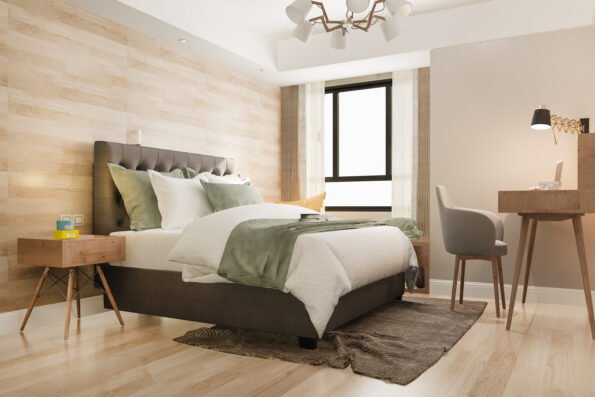

Quality assurance drives every furniture piece we offer. We partner with manufacturers demonstrating consistent quality standards, using materials appropriate to UAE’s climate and construction methods ensuring longevity. Our team personally inspects furniture, verifying that what we offer meets standards we’d accept in our own homes—a principle guiding our business since founding. We stand behind our furniture with comprehensive warranties covering manufacturing defects and providing protection for your investment. Should any issues arise, our customer service team responds promptly and fairly, prioritizing resolution over deflection—a commitment that sets us apart from retailers viewing warranties as obstacles rather than customer assurances.
Expertise and personalized guidance distinguish Rukn Al Wadi from purely transactional retailers. Our sales team possesses genuine furniture knowledge—understanding construction methods, materials, and design principles—allowing them to answer questions substantively and offer guidance aligned with your actual needs rather than simply steering toward highest-commission products. We take time understanding your bedroom dimensions, storage requirements, style preferences, and budget constraints, then recommend options truly suiting your situation. This consultative approach ensures you leave with furniture serving you well rather than pieces that looked attractive in showrooms but prove problematic in your actual space.
Delivery and assembly services remove the stress and physical labor from furniture acquisition. Our professional delivery teams handle furniture carefully, protecting both your purchases and your home during transport and placement. Assembly services ensure furniture is properly constructed according to manufacturer specifications, preventing the structural issues that can result from incorrect DIY assembly. We coordinate delivery timing to your convenience, respecting your schedule rather than forcing you to accommodate narrow delivery windows that disrupt your day. Post-delivery, we inspect furniture with you, ensuring everything meets expectations before considering the transaction complete—your satisfaction is our ultimate measure of success.
Our commitment extends beyond initial purchase to ongoing customer relationships. We provide care guidance specific to furniture you’ve purchased and UAE’s climate conditions, ensuring you know how to maintain your investment properly. Should you need repairs, refinishing, or additional furniture in future, we remain available as resources and partners. Many customers return to Rukn Al Wadi for subsequent rooms, different properties, or recommendations to friends and family—loyalty we’ve earned through consistent quality and service rather than demanded through aggressive sales tactics. This repeat business and referral foundation validates our customer-first approach and motivates continued excellence.
Rukn Al Wadi Advantages:
- Curated collections balancing quality and value
- Expertise in UAE climate and housing requirements
- Personalized consultation and guidance
- Comprehensive warranties and customer protection
- Professional delivery and assembly services
- Quality assurance and inspection standards
- Ongoing customer support beyond initial purchase
- Competitive pricing without quality compromise
- Multiple showroom locations for convenient shopping
- Online browsing with in-person consultation options
What to Look for in a Furniture Retailer
Whether shopping at Rukn Al Wadi or exploring other UAE furniture retailers, understanding what separates quality retailers from problematic ones helps you identify trustworthy partners deserving your business. Not all furniture stores offer equivalent value, service, or reliability—knowing what to assess before committing purchases protects you from disappointing experiences and financial losses that can accompany poor retailer choices.
Reputation and longevity in UAE markets indicate retailer reliability and customer satisfaction. Established businesses with years or decades of local presence have demonstrated ability to satisfy customers consistently—they wouldn’t survive competitive markets otherwise. Research retailers online, reading customer reviews on Google, social media, and consumer forums. While perfect satisfaction is impossible (every business occasionally disappoints), patterns in reviews reveal whether problems represent rare exceptions or common experiences. Businesses responding professionally to negative reviews demonstrate customer service commitment, while those ignoring complaints suggest indifference to satisfaction. In UAE’s dynamic retail environment where businesses sometimes enter and exit quickly, prioritizing established retailers reduces risk of dealing with fly-by-night operations.
Showroom quality and organization reflect operational standards that extend to less visible business aspects. Well-maintained showrooms with organized displays allowing easy comparison suggest attention to detail and professionalism. Knowledgeable sales staff who ask questions about your needs before recommending products demonstrate customer-focused approaches, while aggressive salespeople pushing expensive items regardless of suitability signal transaction-focused priorities. Trust your instincts—if showroom visits feel pressured or uncomfortable, shop elsewhere regardless of furniture quality or prices. Your shopping experience predicts your overall relationship with retailers; negative beginnings rarely improve.
Transparent pricing and written documentation protect against misunderstandings and disputes. Reputable retailers provide detailed written quotes itemizing all costs—furniture prices, delivery fees, assembly charges, any additional services. Avoid retailers offering only verbal quotes or those reluctant to document pricing clearly. Written purchase agreements should specify delivery dates, warranty terms, return policies, and any conditions attached to sales. Review these documents carefully before signing, asking questions about anything unclear. Transparency indicates honest business practices, while evasiveness or complexity suggests potential problems.
After-sales service quality determines satisfaction throughout furniture ownership, not just purchase moments. Inquire about warranty claim processes, repair services, and how retailers handle problems arising post-delivery. Quality retailers provide clear contact information for customer service, respond promptly to inquiries, and resolve issues fairly. Test customer service before purchasing—call with questions, observing how quickly and helpfully they respond. This preview indicates how they’ll treat you as a customer when problems inevitably arise.
Online vs In-Store Shopping Experience
UAE furniture retail increasingly includes online channels, with many traditional retailers now offering e-commerce alongside physical showrooms. Understanding advantages and limitations of online versus in-store shopping helps you choose approaches suiting your preferences and needs while avoiding potential pitfalls each method presents.
In-store shopping provides tangible evaluation impossible online—you see actual colors and finishes rather than screen representations, feel material quality firsthand, test furniture comfort by sitting or lying on pieces, and assess construction by opening drawers and examining joints. This physical interaction proves particularly valuable for substantial investments like beds and upholstered furniture where comfort significantly impacts satisfaction. Showrooms also allow immediate comparison between similar pieces, facilitating decision-making through direct side-by-side evaluation. For many people, especially those unfamiliar with furniture quality assessment, in-store shopping provides confidence that online shopping cannot match.
Personal consultation with knowledgeable staff represents another in-store advantage. Sales consultants can answer questions, offer suggestions based on your described needs, explain construction details, and provide guidance that online product descriptions cannot replicate. This human interaction helps nervous shoppers gain confidence and ensures you understand what you’re purchasing—benefits particularly valuable for first-time furniture buyers or those furnishing new homes. In-store staff can also facilitate customization requests, special orders, or modifications that online systems may not accommodate easily.
Online shopping offers convenience and efficiency—browse extensive selections from home without traveling between showrooms, compare prices across retailers instantly, and shop according to your schedule without accommodation to store hours. Online platforms often provide detailed product specifications, multiple photos from various angles, customer reviews offering real-world insights, and filtering tools helping narrow selections based on size, style, price, or other criteria. For busy UAE residents with demanding schedules, online shopping’s flexibility proves enormously attractive, allowing furniture research during evening hours or while traveling.
Price comparison becomes simpler online, with multiple retailers’ offerings accessible through browser tabs rather than requiring physical travel between stores. This efficiency often reveals price variations for identical products, helping you identify best values. Online-exclusive promotions and sales events sometimes offer savings unavailable in physical stores, making online channels potentially more economical for budget-conscious shoppers. However, delivery and assembly fees can offset advertised savings, so calculate total costs rather than comparing prices alone.
The hybrid approach—online research followed by in-store purchases—combines both channels’ advantages while minimizing limitations. Browse online to identify styles, understand pricing, read reviews, and narrow options to manageable shortlists. Then visit showrooms to physically evaluate your top choices before purchasing. Many retailers support this approach, allowing online browsing with in-store consultations ensuring informed decisions. This method proves particularly effective for major furniture purchases where physical evaluation provides peace of mind while online research ensures you’re considering appropriate options.
Online Shopping Advantages:
- Convenience and flexibility (shop anytime, anywhere)
- Extensive selection without physical space limitations
- Easy price comparison across multiple retailers
- Customer reviews providing real-world insights
- Detailed specifications and multiple product images
- Time efficiency (no travel between showrooms)
- Often lower prices due to reduced overhead
In-Store Shopping Advantages:
- Physical furniture evaluation (colors, materials, comfort)
- Personal consultation with knowledgeable staff
- Immediate comparison between similar products
- Confidence from seeing actual furniture, not photos
- Opportunity to negotiate or request customization
- Immediate gratification (some items available same-day)
- Build relationships with local businesses
Delivery and Installation Services in UAE
Furniture delivery and installation significantly impact overall purchase satisfaction, with professional services preventing damage, ensuring proper assembly, and eliminating the physical labor and frustration DIY furniture placement and assembly often entail. Understanding what quality delivery services should include helps you evaluate retailers and ensures your bedroom furniture arrives safely and is installed correctly.
Professional delivery teams should handle furniture carefully throughout the process—loading onto trucks using appropriate equipment, securing during transport, unloading at your home, and bringing items to designated rooms without damaging furniture, walls, floors, or doorways. Quality services include protective materials—blankets, padding, floor protection—preventing scratches and dents during movement. Delivery personnel should communicate arrival times, arriving within promised windows rather than forcing you to wait indefinitely. In UAE’s compact urban environments like Dubai, navigating apartment buildings with elevators and tight hallways requires skill and experience that professional delivery teams possess.
Assembly services prove particularly valuable for complex furniture like beds with storage mechanisms, wardrobes with multiple components, or pieces requiring precise alignment ensuring proper function. Professional assembly guarantees manufacturer specifications are followed, preventing structural issues that incorrect DIY assembly can cause. Improper assembly may void warranties while creating safety hazards, making professional service worthwhile for peace of mind alone. Assembly teams should clean up packaging materials and debris, leaving your bedroom ready for use rather than littered with cardboard, plastic wrap, and hardware packaging.
Placement consultation allows delivery teams to position furniture optimally within rooms rather than simply placing pieces wherever convenient for delivery. Professional teams understand clearance requirements, traffic flow, and aesthetic principles, offering suggestions for furniture positioning that maximize function and appearance. They can also make minor adjustments—moving furniture slightly, rotating pieces, swapping left and right orientations—ensuring you’re completely satisfied with placement before they depart.
Inspection and acceptance processes should conclude deliveries, with teams inviting you to examine furniture carefully, verifying everything arrived undamaged and matches what you ordered. Quality retailers don’t consider deliveries complete until you’ve confirmed satisfaction, and they have processes for handling any problems discovered during inspection—whether replacement, repair, or adjustment. Never sign delivery acceptance documents without thoroughly inspecting furniture; once you’ve signed, proving pre-existing damage becomes difficult.
Quality Delivery Service Includes:
- Scheduled delivery windows with confirmation calls
- Professional handling with protective materials
- Careful navigation of buildings and tight spaces
- Furniture placement in designated rooms
- Assembly according to manufacturer specifications
- Packaging removal and cleanup
- Placement consultation and adjustments
- Thorough inspection before completion
- Damage reporting and resolution processes
- Contact information for post-delivery issues
Frequently Asked Questions About Bedroom Furniture in UAE
Navigating bedroom furniture decisions raises numerous questions, from technical specifications and material choices to practical concerns about delivery, assembly, and long-term care. This comprehensive FAQ section addresses the most common inquiries UAE residents have when furnishing bedrooms, providing clear, detailed answers that help you make informed decisions. Whether you’re wondering about appropriate bed sizes, budget expectations, material performance in local climate, or maintenance requirements, these answers draw from expertise developed through years of serving UAE homeowners and understanding regional furniture needs.
1. What is the best bedroom furniture material for UAE climate?
For UAE’s challenging climate conditions—intense heat, occasional high humidity in coastal areas, and dramatic temperature fluctuations between air-conditioned interiors and outdoor environments—certain materials demonstrate superior performance over alternatives. Solid teak stands as the single best wood choice for UAE furniture, having evolved in tropical climates with heat and humidity comparable to coastal UAE conditions. Teak’s natural oils provide exceptional moisture resistance, and its dimensional stability means it experiences minimal expansion and contraction despite humidity changes. While teak commands premium pricing, its performance and longevity in UAE conditions justify the investment for homeowners prioritizing durability and low maintenance.
How much should I budget for a complete bedroom set in UAE?
Bedroom furniture budgets in UAE vary enormously based on quality expectations, room size, and whether you’re purchasing complete sets or individual pieces. For budget-conscious shoppers furnishing basic bedrooms—perhaps in rental apartments or guest rooms—complete sets including bed frame, two nightstands, and a dresser start around AED 3,000-6,000. These budget sets typically feature engineered wood construction with laminate finishes adequate for immediate needs but with limited longevity (3-5 years typically). Mid-range bedroom sets, representing the sweet spot for most UAE households, range from AED 6,000-15,000 and deliver substantially better quality through improved construction, better materials (solid wood frames with quality veneers or entry-level solid wood), and superior hardware. These mid-range investments typically last 8-12 years with proper care, making them excellent value propositions for permanent homes.
What size bed is best for a master bedroom?
Master bedroom bed size selection depends on both room dimensions and whether one or two people will use the bed regularly. For couples, queen beds (150 x 200 cm) represent the minimum comfortable size, providing adequate sleeping space without overwhelming medium-sized bedrooms (15-18 square meters). Queen beds work well in Dubai apartments and compact villa bedrooms where space efficiency matters, offering sufficient comfort while leaving room for other essential furniture and maintaining adequate clearances. King beds (180 x 200 cm) represent the standard for spacious master bedrooms (18-25 square meters), providing generous sleeping space that most couples find luxurious while scaling appropriately to larger rooms. King beds create proper presence in substantial bedrooms, preventing the underwhelmed appearance smaller beds can create in generous spaces.
Do you offer delivery and assembly services in UAE?
Yes, Rukn Al Wadi Furniture provides comprehensive professional delivery and assembly services throughout UAE, ensuring your bedroom furniture arrives safely and is installed correctly without stress or physical labor on your part. Our delivery teams handle furniture with exceptional care, using protective materials (blankets, padding, floor protection) preventing damage during transport and placement. We navigate UAE’s diverse properties—from high-rise Dubai apartments with elevators and tight hallways to sprawling Abu Dhabi villas with multiple floors—with experience ensuring smooth delivery regardless of property type or location challenges. Delivery scheduling accommodates your convenience, with advance confirmation calls ensuring you’re ready when our teams arrive rather than forcing you to accommodate narrow, inflexible delivery windows.
How do I maintain wooden furniture in Dubai’s climate?
Wooden bedroom furniture maintenance in Dubai’s challenging climate requires consistent attention preventing damage from heat, humidity fluctuations, and persistent dust. Daily light dusting with microfiber cloths prevents dust accumulation that would require more aggressive cleaning potentially damaging finishes. Microfiber’s electrostatic properties trap particles rather than redistributing them, making it superior to traditional dusting methods. Weekly cleaning with slightly damp (not wet) cloths removes any accumulated residue, followed immediately by drying with clean towels preventing water spots or moisture damage. Clean following wood grain direction, and never saturate wood with water—excess moisture penetrates finishes causing swelling, finish separation, or wood damage.
Is custom bedroom furniture worth the investment?
Custom bedroom furniture—pieces designed specifically for your space and requirements—commands 50-100% premiums over comparable ready-made alternatives but delivers benefits justifying investment in specific circumstances. Custom furniture makes particular sense for awkward spaces that standard furniture cannot accommodate: angled walls, unusual room shapes, built-in architectural features, or very specific dimension requirements. In UAE villas with unique bedroom configurations or when incorporating storage into alcoves and niches, custom solutions maximize space utilization impossible with standard furniture. Custom built-in wardrobes extending wall-to-wall and floor-to-ceiling provide 30-40% more storage than freestanding equivalents in identical wall lengths, making customization worthwhile in space-constrained situations.
How do I arrange furniture in a small bedroom?
Small bedroom furniture arrangement (10-14 square meters) requires strategic planning maximizing usable space while maintaining comfortable clearances and preventing cramped feelings. Start with bed positioning—typically against the longest wall, centered for visual balance. Queen beds represent maximum sizes for compact bedrooms; king beds overwhelm limited spaces leaving inadequate clearances. Maintain minimum 70 cm clearances on bed sides (80 cm ideal if dimensions permit) and 90 cm at foot, ensuring comfortable movement and bed-making access. If room dimensions force compromises, prioritize foot clearance over side clearances, as you navigate foot areas more frequently when moving through bedrooms.
Can I mix different furniture styles in one bedroom?
Mixing furniture styles successfully requires more skill than coordinating matching sets, but it creates personalized, collected aesthetics with character and visual interest that coordinated sets cannot match. The key to successful mixing lies in identifying unifying elements that create visual relationships between dissimilar pieces—perhaps shared wood tones even if furniture styles differ, complementary color palettes, or similar levels of ornamentation that prevent jarring contrasts. For example, you might pair a traditional wooden bed frame with contemporary nightstands if both share warm wood tones and medium levels of detail, or combine a modern upholstered bed with vintage dressers if color palettes coordinate. These relationships create intentional eclecticism rather than accidental mismatch.